We’ve all been there: you book a flight to Europe on a whim after spotting a dreamy cobbled town on Instagram that looks straight out of another era, only to find it’s anything but the storybook vibe you expected.
Disneyland-like crowds that make public spaces unbearable, standing shoulder-to-shoulder with strangers as you wait for an Astronomical Clock to do its 30-second trick, an insane amount of litter your favorite influencer conveniently cropped out of their reel, and of course, the crazy prices.
We don’t blame you for falling for the ‘fairytale Europe’ propaganda: it’s the same four or five cities relentlessly hyped by influencers, while the continent’s true gems stay off the radar.
Lucky for you, we’re not here to elbow through jam-packed Prague in a flying dress pretending it’s peak Eastern Europe travel. If you’re still chasing the real, unspoiled Europe this year, this is where you should head instead:
A Fairytale Medieval Town Unspoiled By Mass Tourism
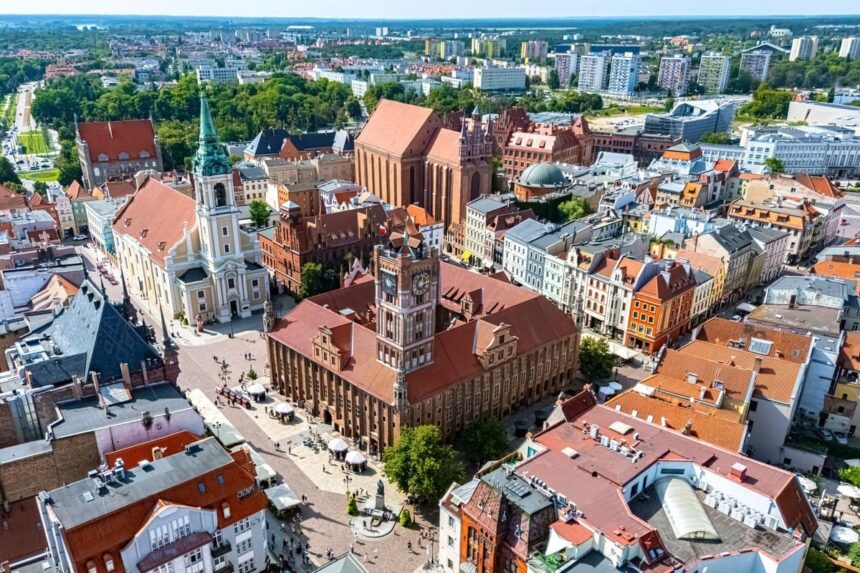
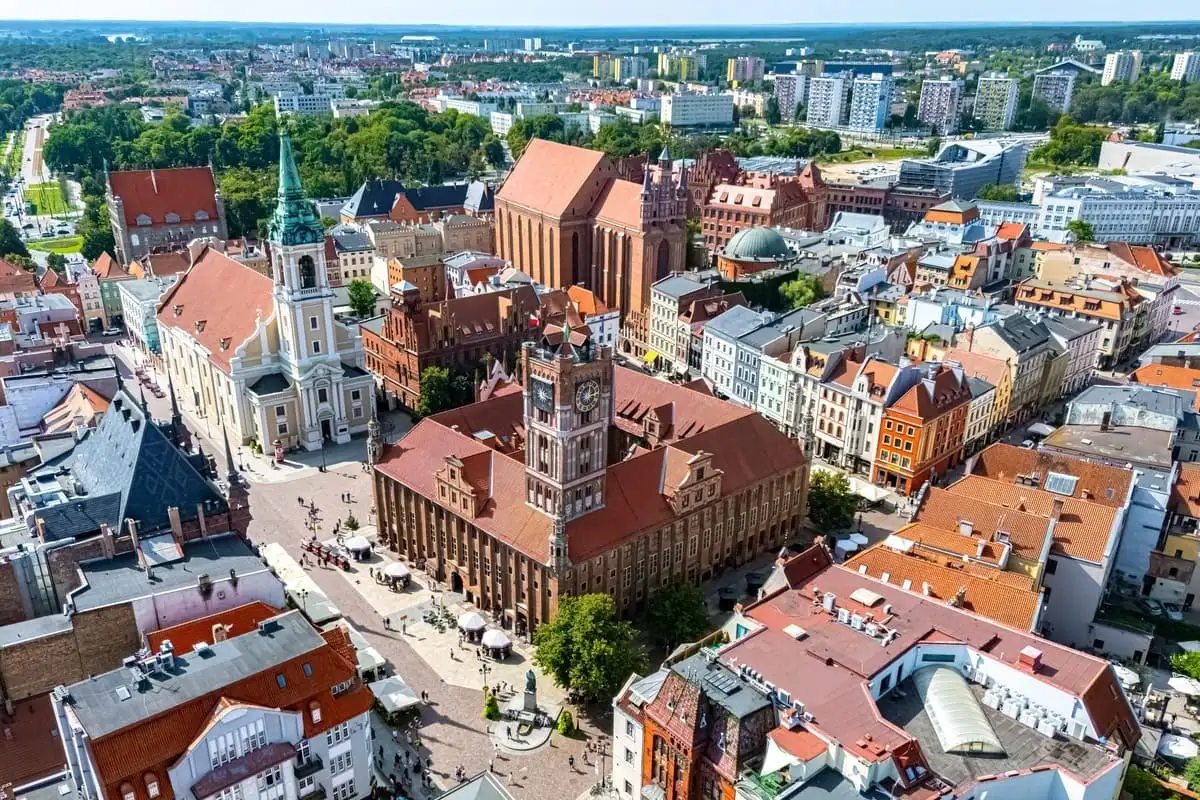
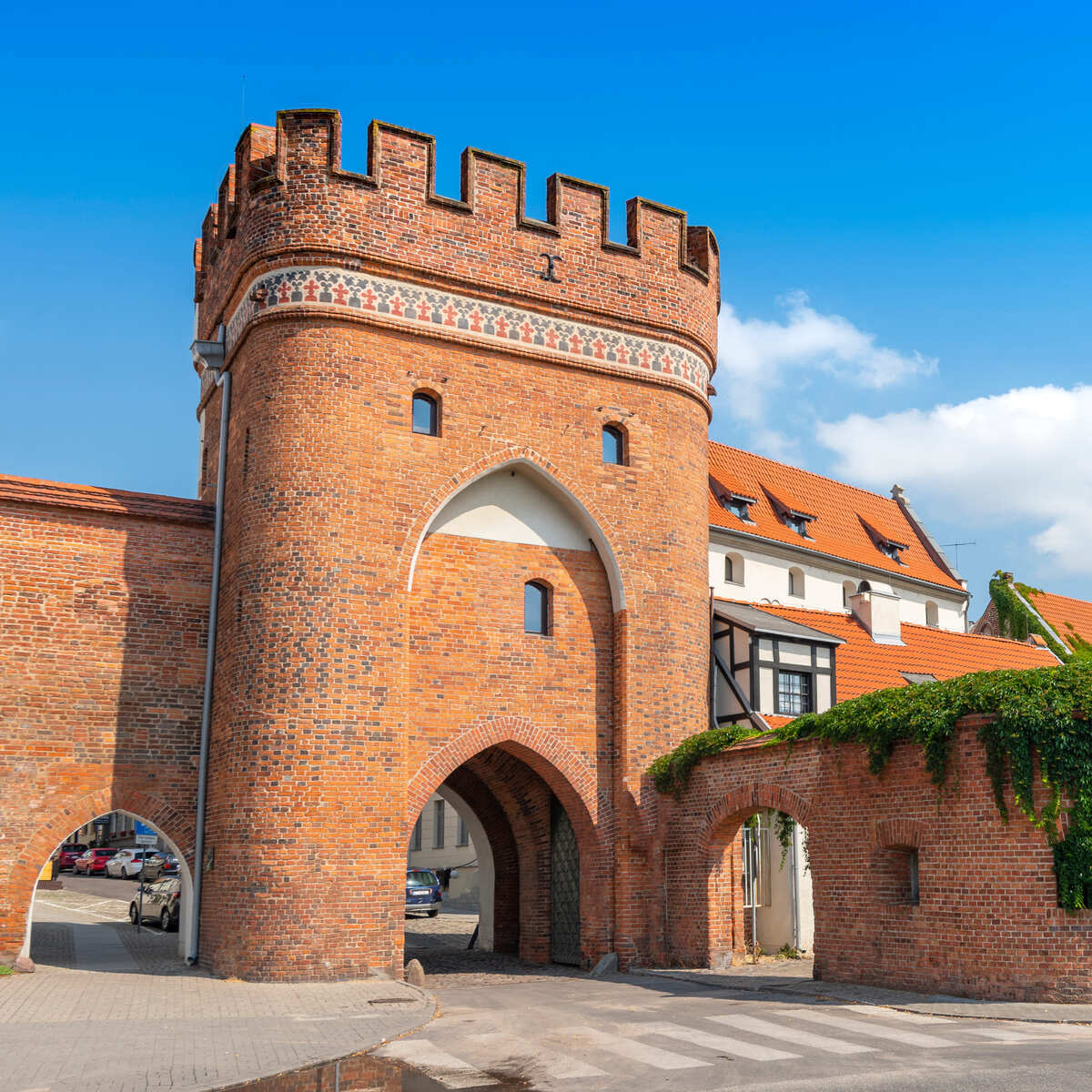
Straddling the banks of the fast-flowing Vistula, in north-central Poland, Toruń (yes, with a stressed n) ranks among the country’s best-preserved medieval cities, and one of the prettiest, if we say so ourselves, except…
It barely has any tourists!
Now, if you’re a Pole, before you scroll straight down to the comment section to denounce our cluelessness, and how Toruń is in fact one of Poland’s major cultural hubs, have you ever heard of this funny concept called the ‘burden of knowledge’?
Toruń may be as famous among Poles as widely-popular global destinations like Paris or Rome are in casual traveler circles, but when it comes to foreigners, if they’ve vaguely heard of Kraków or Warsaw, you can count yourself lucky.
To our American readers, you may be wondering what’s the fuss about this unheard-of town in the confines of a Central (Eastern?) European country.
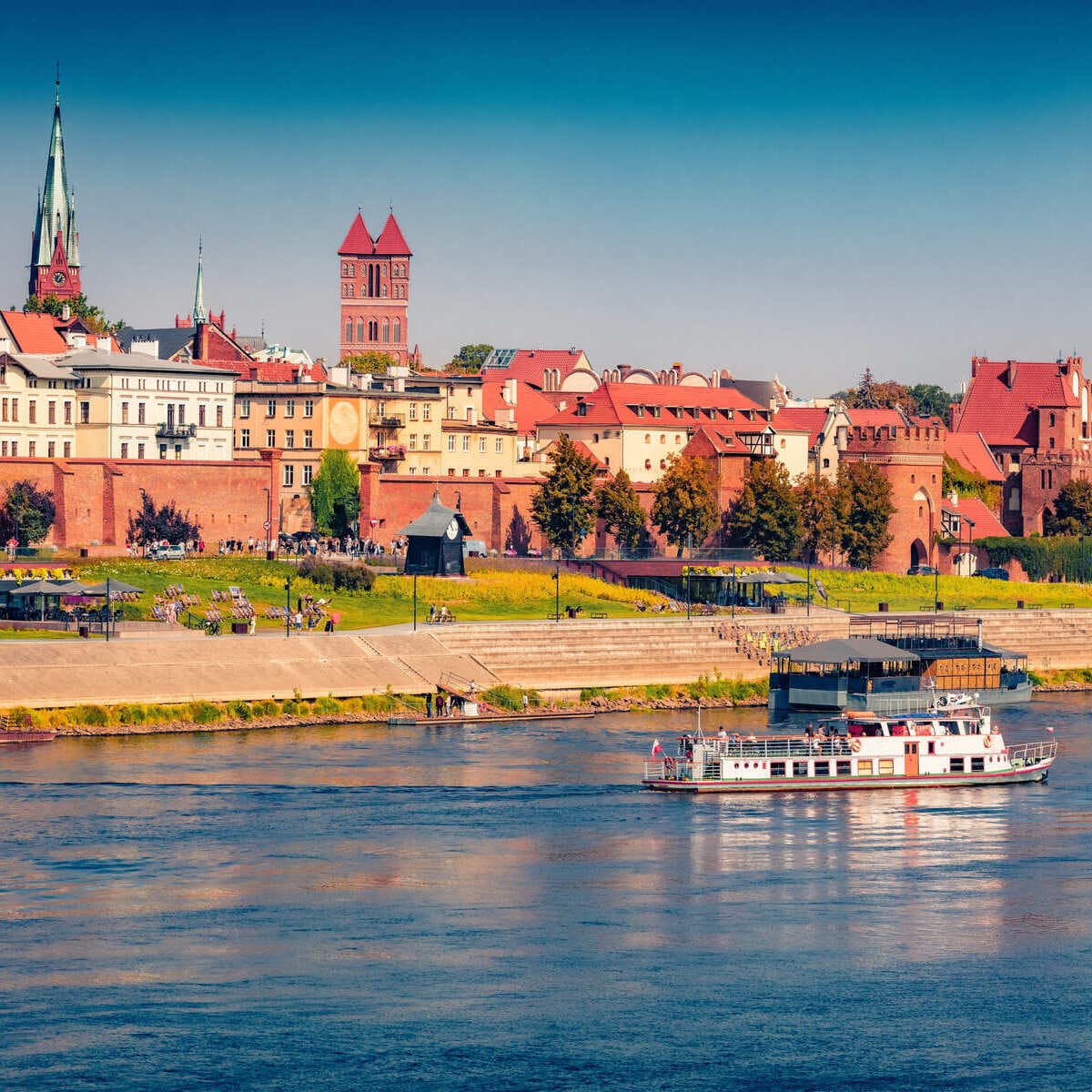
A UNESCO World Heritage Treasure
As those of you who’ve visited Polish cities will know, most of what you see in their over-polished, neat, picture-perfect historic centers is in fact post World War-reconstructed.
With the exception of perhaps Kraków, popular Polish destinations like Warsaw, Gdańsk, and Lublin suffered severe damages during the Nazi occupation. In the case of Warsaw, over 90% of the city was completely obliterated.
Medieval walls, elegant 19th century boulevards lined with ornate fin de siècle buildings, and world-class museums all pillaged, ransacked, and in most cases, reduced to rubbles. Ever wondered why (most) of Warsaw looks so modern and almost American-like nowadays?
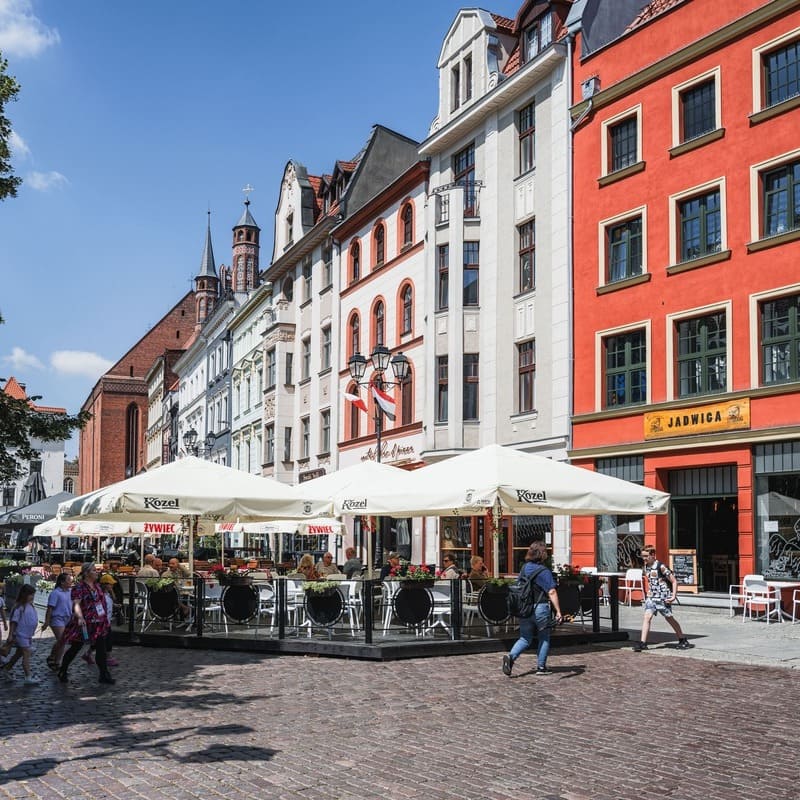
Well, we’re glad to report that the unassuming Toruń escaped the same fate.
Founded as a riverside fortress by the Teutonic Knights in the 13th century, it outgrew the castle walls to become one of Poland’s most photogenic medieval cities, peppered with centuries-old monuments, historic townhouses with stepped gables, and soaring Gothic churches.
The best part? All of which you see as you stroll around Toruń’s timeless cobbled streets is original. It’s survived World War II essentially unscathed.
What Not To Miss In The Old Town
Toruń is a World Heritage town, and trust us, there’s no shortage of manmade wonders as you wander its maze-like streets.
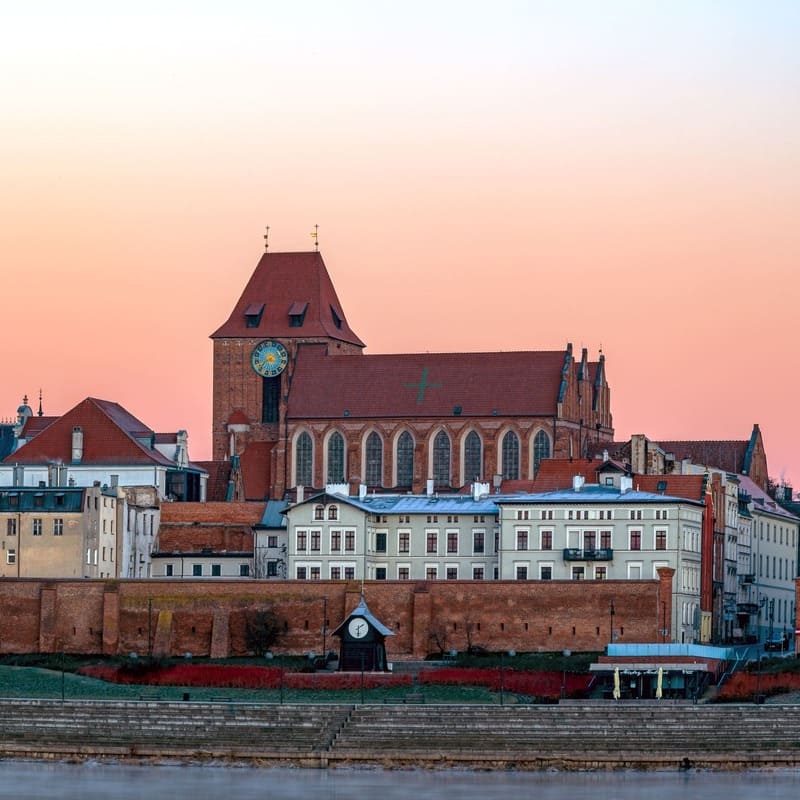
Start at St. John’s Cathedral, a sturdy Gothic church with a massive, squat red-brick tower, soaring slender columns inside, and stunning stained glass. Plus, it’s where Copernicus himself was baptized.
For something unique, check out St. James’ Church nearby, a 14th-century brick Gothic gem with twin towers fused at the base.
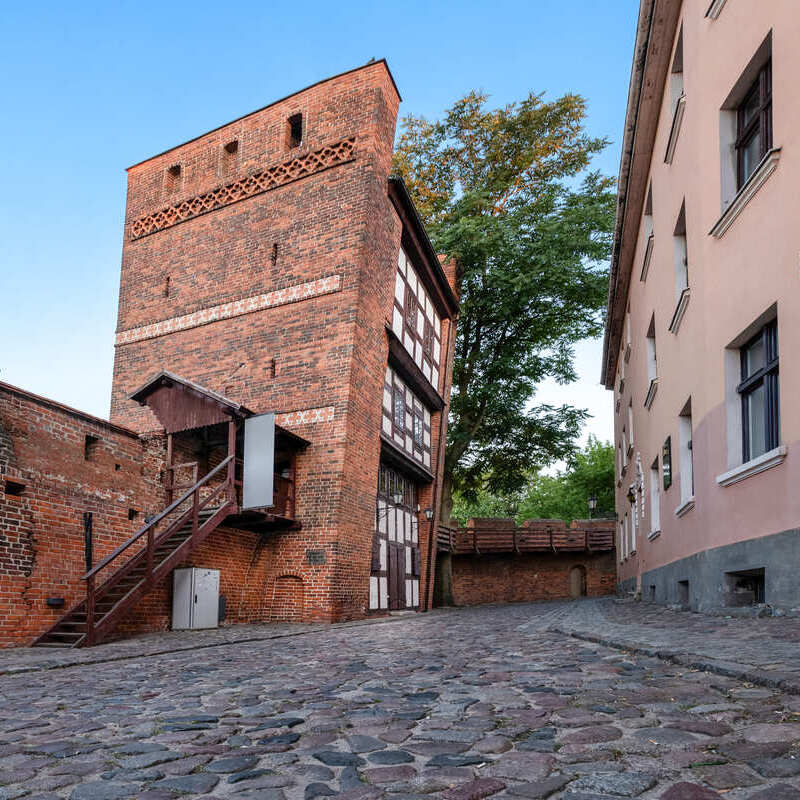
No full castle survives—the one built by the Teutonic Knights’ is ruins by the Vistula—but on the Old Town’s edge stands Krzywa Wieża, Poland’s Leaning Tower:
Tilting forward for seven centuries, like Pisa’s, and linked to mighty city walls. But wait: there’s so much more.
Visit Nicolaus Copernicus’ Birthplace
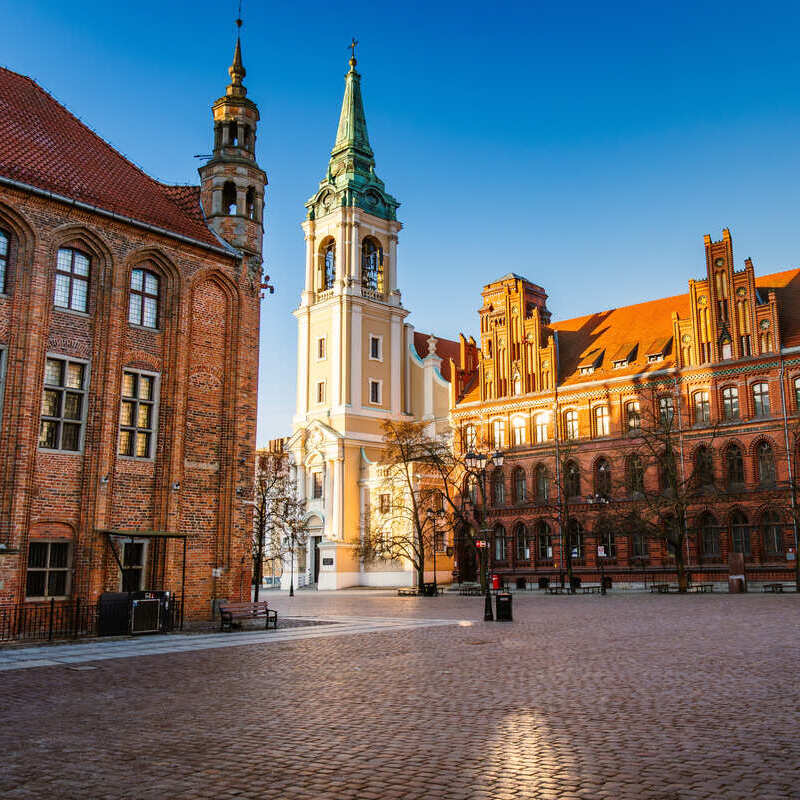
The heart of the Old Town is, without question, Rynek Staromiejski. Sounds like Polish gibberish, but it means Old Town Market Square.
It’s domainted by the Old Town Hall, a 14th century civic building now housing a museum, and flanked on all sides by colorful, medieval merchant houses—and of course, the odd quirky cafés and Polish milk bar dishing out pierogi on the daily.
Unlike the main square in Kraków, or Warsaw’s all-too-compact Old Town, you’ll see none of the usual buzzing crowds, and surprisingly enough, the handful of tourists looking up awestruck at palatial Gothic edifices are likely to be domestic visitors.
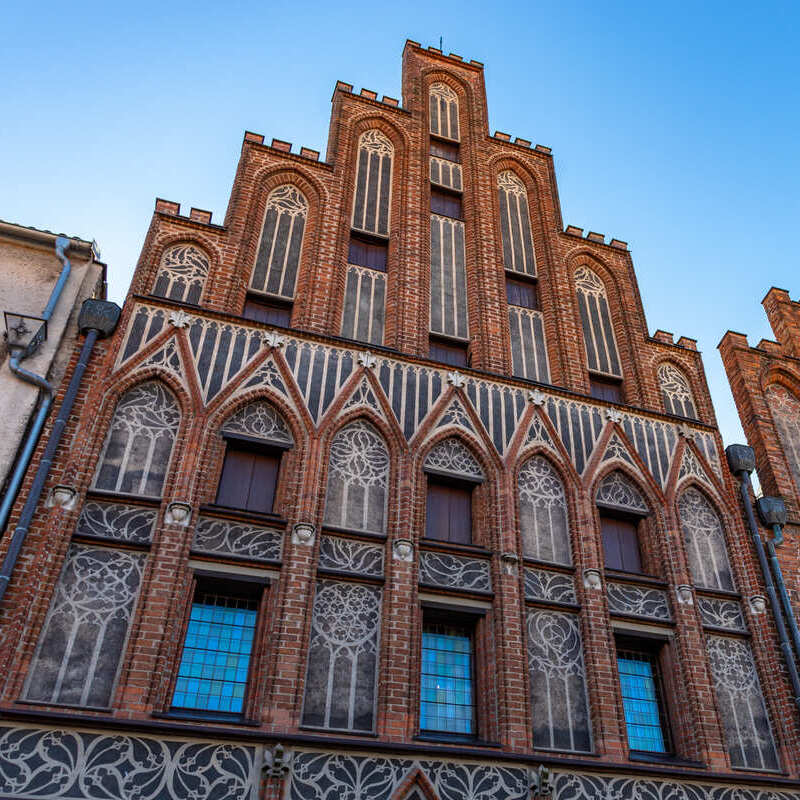
Crazy, right? Especially since Nicolaus Copernicus, the guy who dropped the heliocentric model in 1543, proving the Sun (not Earth) sits at our solar system’s center, was born right here.
You can visit his actual house at Mikołaja Kopernika 15/17, where he spent his early years, and snap a mandatory selfie with the giant Copernicus statue right in front of the town hall.
How Affordable Is Toruń?
It’s a crazy economy, and it’s not like the dollar is getting any stronger against a hyper-valued euro, so let’s talk budget.
How actually affordable is Poland?
While it’s true that Eastern Europe is no longer as cheap to travel in as it used to be, particularly countries that have joined the European Union, and Poland is no exception, it’s still not on par with Western counterparts like France or Italy.
In general, sitting down for a meal in a Polish milk bar in downtown Toruń will run you back an average $10 (to be more precise, $9.71 according to Numbeo estimates).
Of course, the reality on the ground is always a little different, especially if you’re frequenting Old Town restaurants with rooftop views. Even then, it’s not like your wallet will bleed dry, either: for a three-course meal in a mid-range restaurant, washed down with a jug of compote, we’re talking $18–21.

A reasonable ask.
However, accommodation is where you get the actual best value for money: 3-star hotels in the heart of the Old Town range from $69 to $80—an elegant 19th century gem within walking distance of the main square, Hotel Polonia has a starting price of $80-a-night.
Average Prices In Toruń, Poland
Subscribe To Our Latest Posts
Enter your email address to subscribe to Travel Off Path’s latest breaking travel news, straight to your inbox.