Italy’s the kind of place people dream about visiting, and spend several long, laborious years saving up just to have a taste of that pistacchio gelato-flavored, flaming Tyrrhenian dolce vita, even if only for a week in summer.
I’m lucky enough to have Italy as my literal backyard.
I split my time between Paris and the South of France, so I’m always a short 1 hour flight away, or when spending summers in Menton, a 7 minute train ride from our southern neighbor.
I can’t tell you the number of times I’ve been to Italy over the years, and taking into account the fact my maternal side of the family partly hails from Lazio—although my rusty, conversational Italian probably peaked at 8 when I still frequented my pious, jingoistically-ciociara great aunt’s house—I think it’s fair to say I know the country quite well.
What can I say? 30 Italian cities, and 11 out of 20 historical regions in, I was bound to have my favorites.
5 Underrated Italian Cities That Stole My Heart
Yes, Rome is great: an Eternal City scattered with ruins, practically an open-air museum. And I do love me a takeaway cup of Chianti on the steps of Piazzale Michelangelo, waiting as the sunset sets Florence’s dome-dominated skyline ablaze.
Venice? Putting aside the buzzing crowds and annoying guardie shaking you down at Santa Lucia station for the newly-imposed daily visitor ticket, you can count on me to be back in La serenissima, ball mask and all, carnival after carnival.
Still, I can’t help but feel it’s the underrated spots that keep calling my name.
From an estranged cultural Italian who knows Italy like the back of their hand—and who nips south of the Alps for pasta and wine 5 to 7 times a year—here are the top 5 Italian gems I’d return again and again, without thinking twice:
Syracuse, Sicily
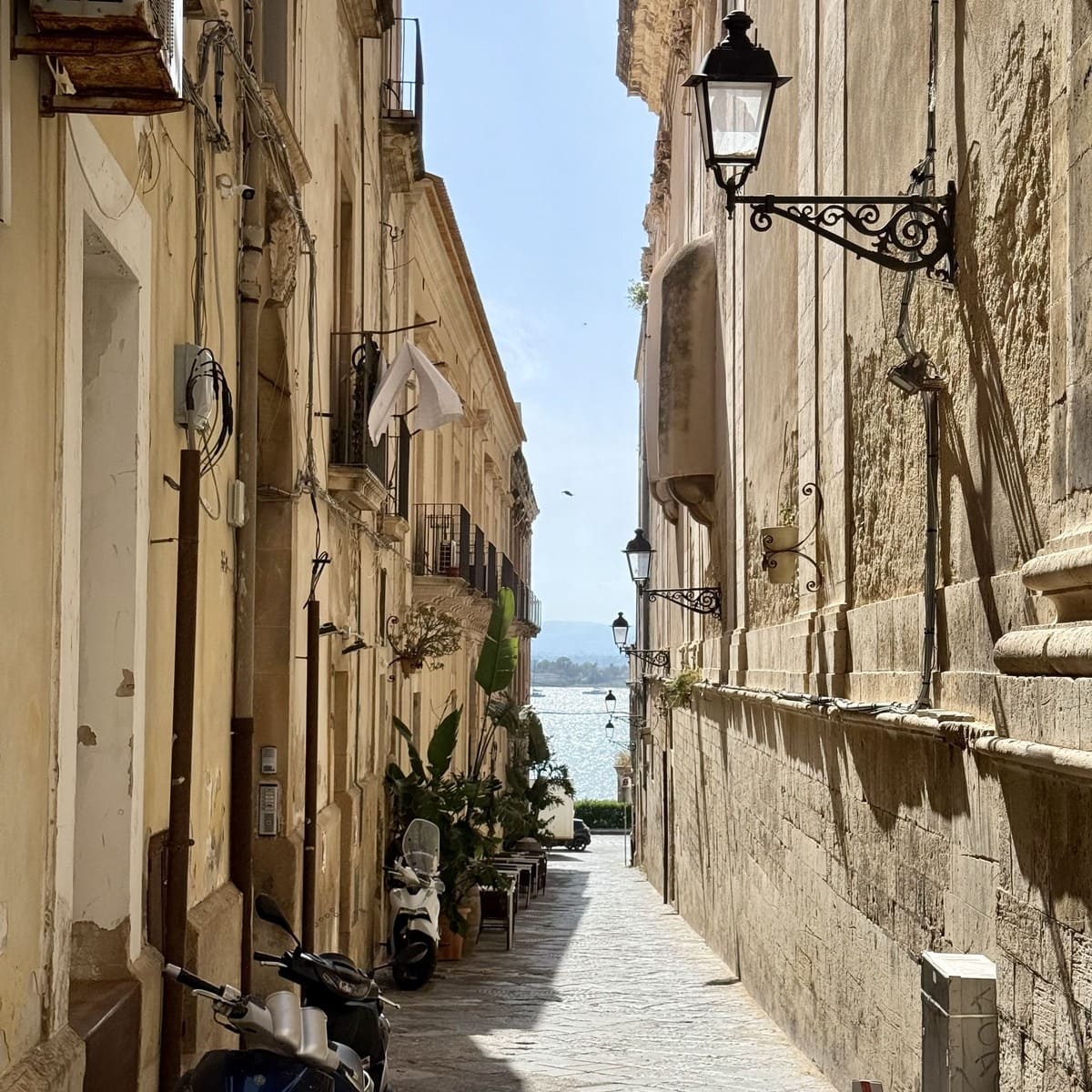
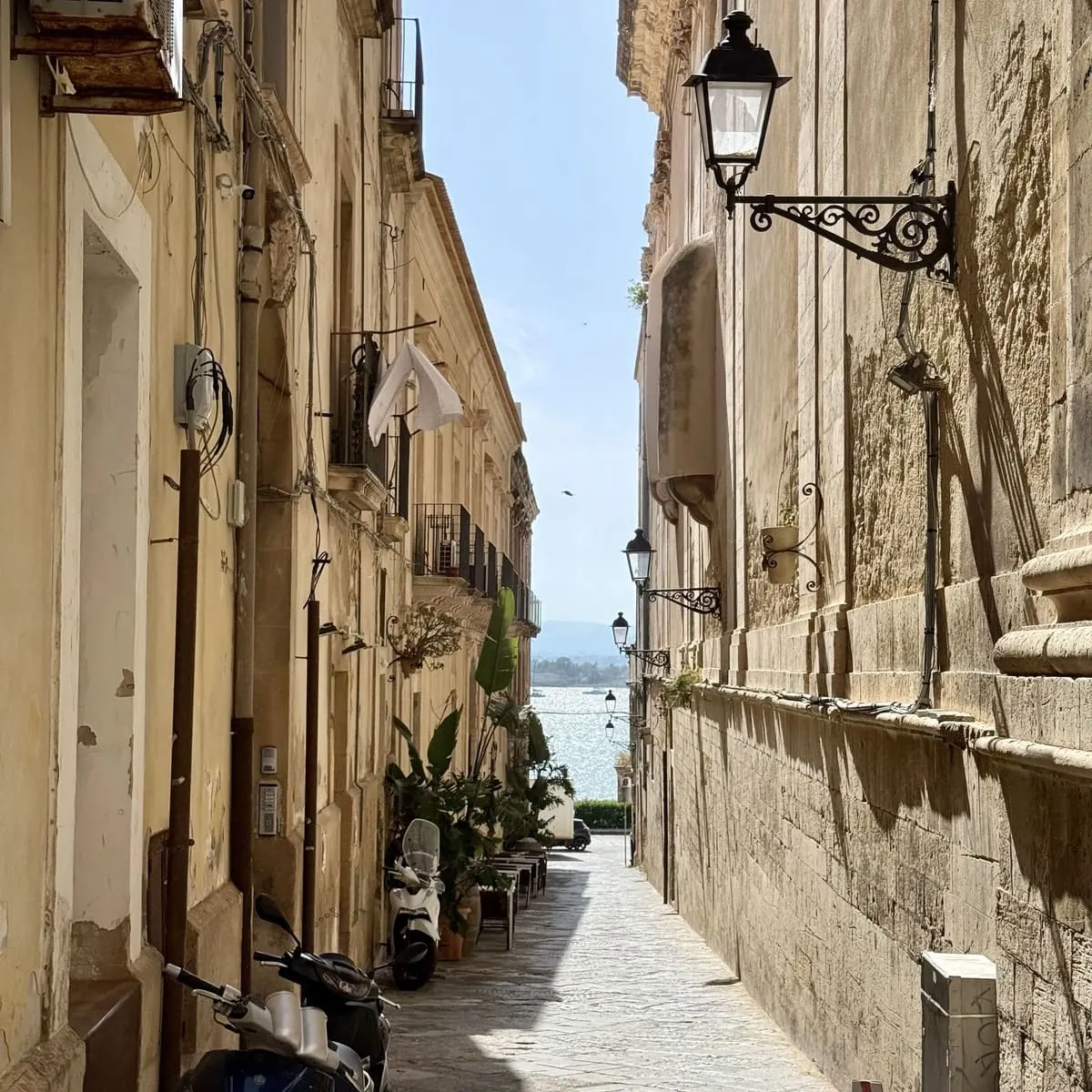
Starting off with a banger, Syracuse is nothing short of the most beautiful walled, ancient city on the shores of the Mediterranean. There, I said it.
Straddling the southern peninsula of Sicily, it feels like two completely-opposite worlds on a collision course, but right, I’ll rein in the poetic language.
All I mean is Syracuse is split between a modern (rapidly-growing, at that) mainland, with your usual chaotic traffic, bustling street markets, and uninspiring high-rises, and the timeless island of Ortigia, accessible by foot via two main bridges.
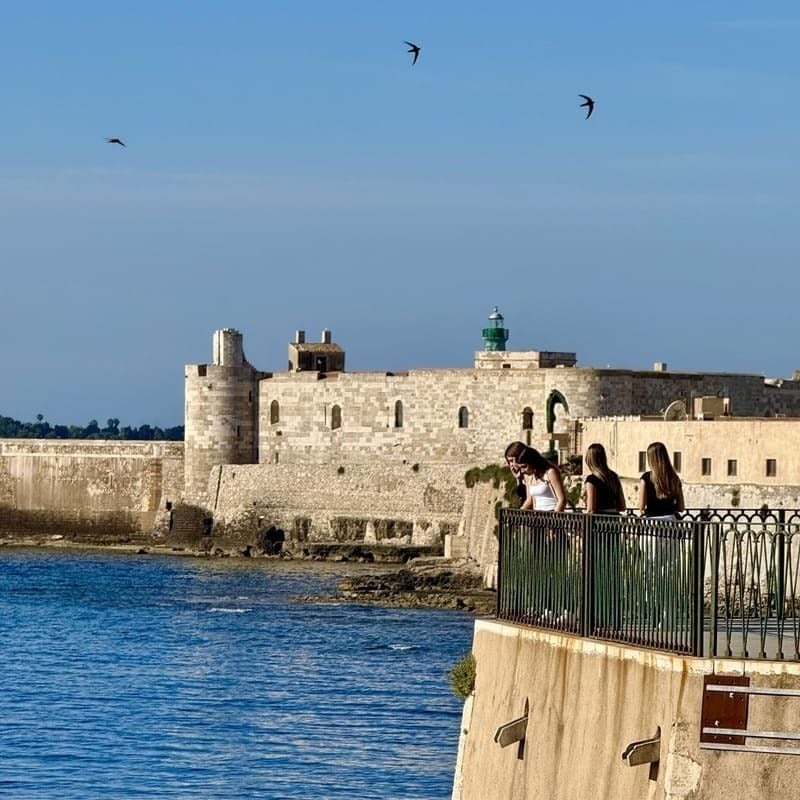
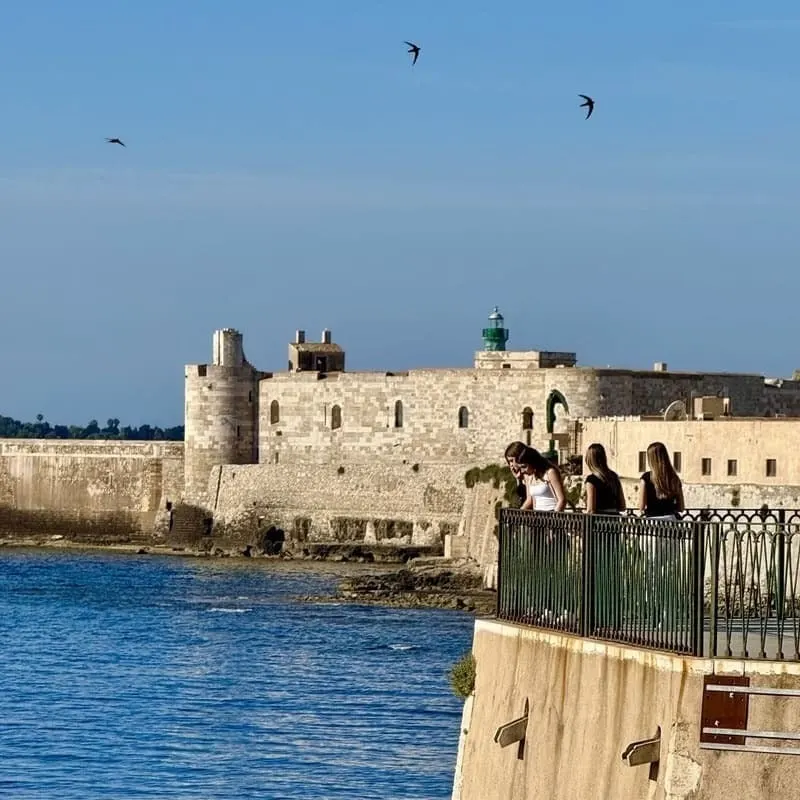
The birthplace of Ancient Greek mathematician Archimedes, Ortigia feels like it’s got its own thing going on apart from the rest of Syracuse, and it’s truly the star of the show here.
I love how the pedestrian-friendly alleyways feel as if they’ve barely changed since medieval times, the Hellenic and Roman remnants scattered around the Old Town core, and the opulence of its churches—particularly the Baroque masterpiece of a cathedral that presides over the main piazza.
Oh, and let’s be honest, the pasta alla Norma at A Putia Delle Cose Buone, which costs a mere €11 ($13) is worth the flight there alone. It will make a grown man cry tears of joy.
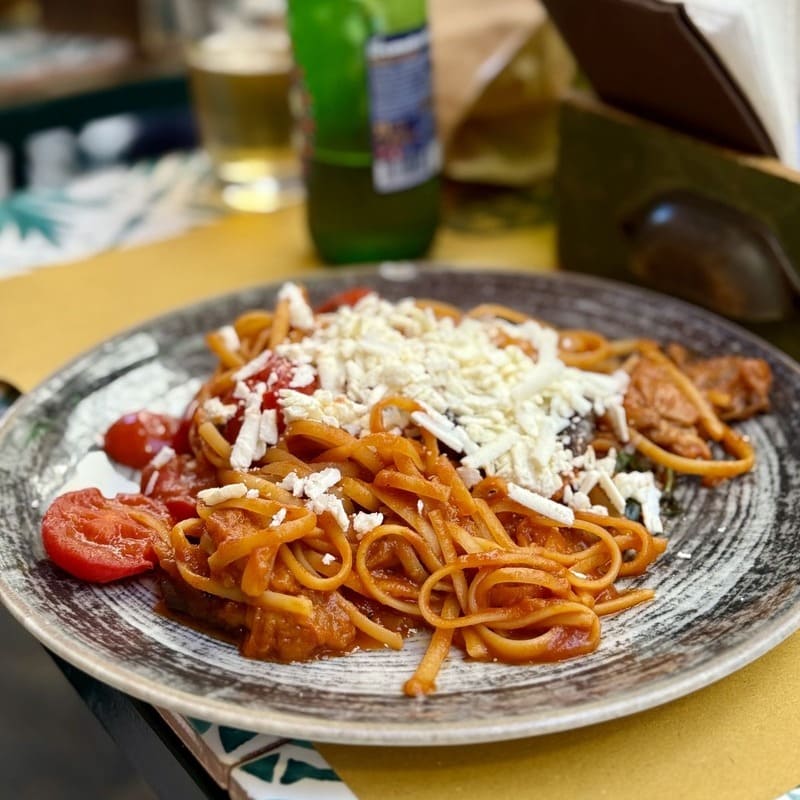
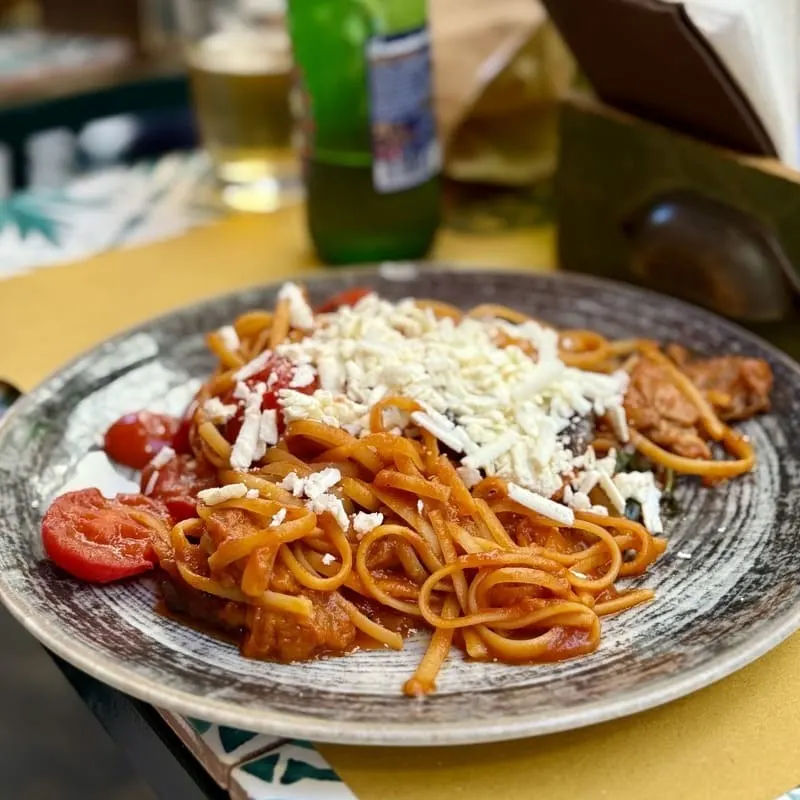
Delicious food aside, the continuous seaside promenade looping around Ortigia is especially pleasant, with stairs descending to pebbly beaches at the base of imposing fortifications. To truly capture the essence of Syracuse, however, I’ll tell you my top Ortigia secret:
Cortile Abela, a medieval courtyard and communal space framed by centuries-old houses, is my favorite spot to sit, gather my thoughts, read a book, and breathe in the salty ocean air.
Genoa, Liguria
But We’re Calling It Genova
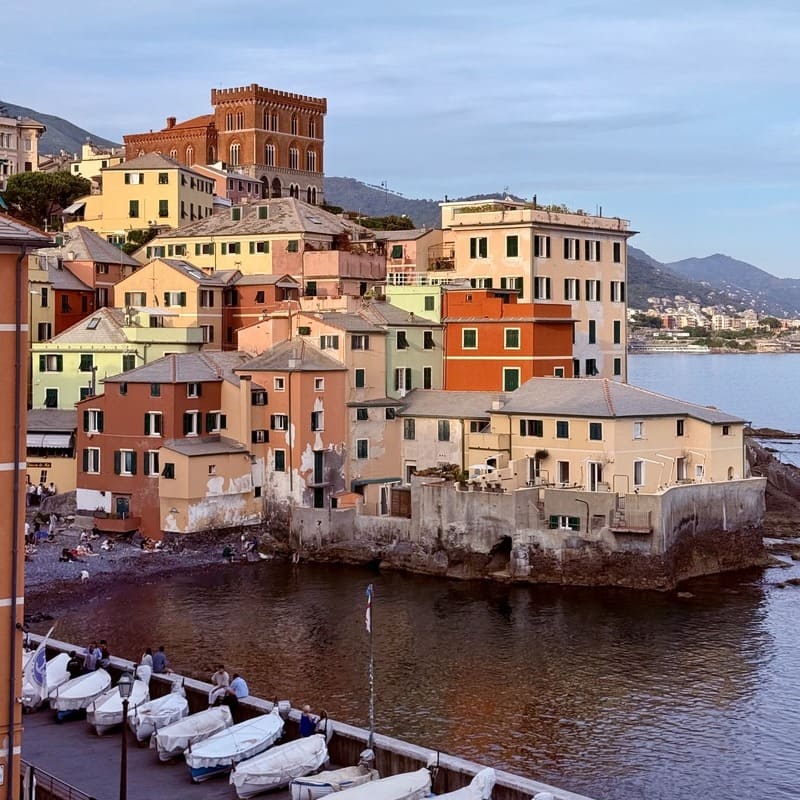
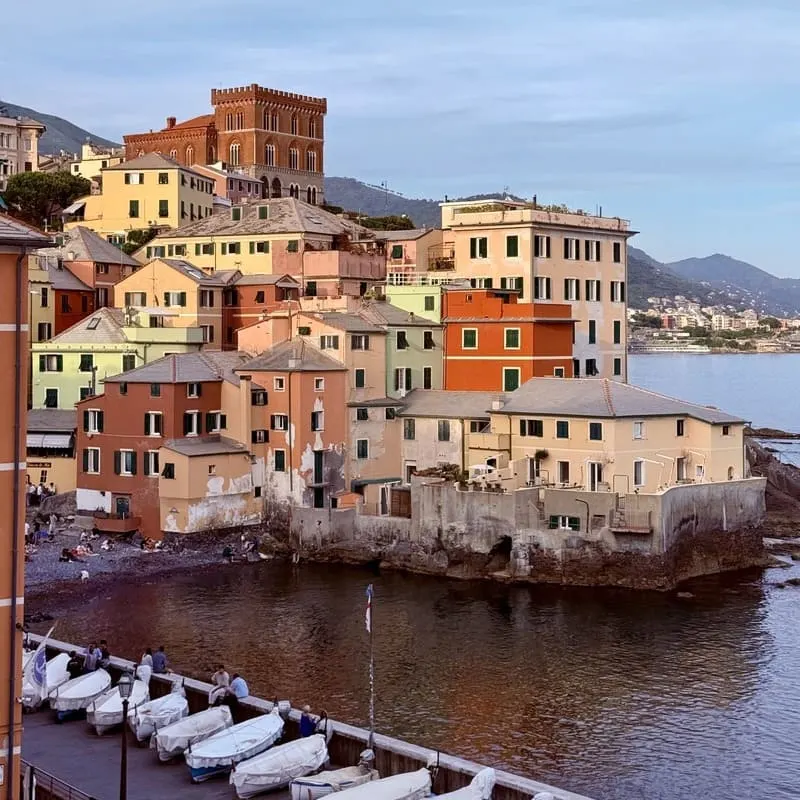
On the topic of contrasting destinations, there’s no way I’d leave out my darling Genoa, a city I’ve been to four times at this point, and possibly the craziest Italian city you’ll ever set foot in. After Naples, of course.
Also, what’s with the dropping of ‘v’ in Genova?
Sorry, folks, Genoa just sounds like nails on chalkboard to me, but hey, I digress.
I’ve noticed people will either land in, or briefly pass through here on their way to the jam-packed, postcard towns of Cinque Terre, which are only a 1h train south, and that’s probably because they’ve heard someone say Genova is but a transit hub with a busy port.
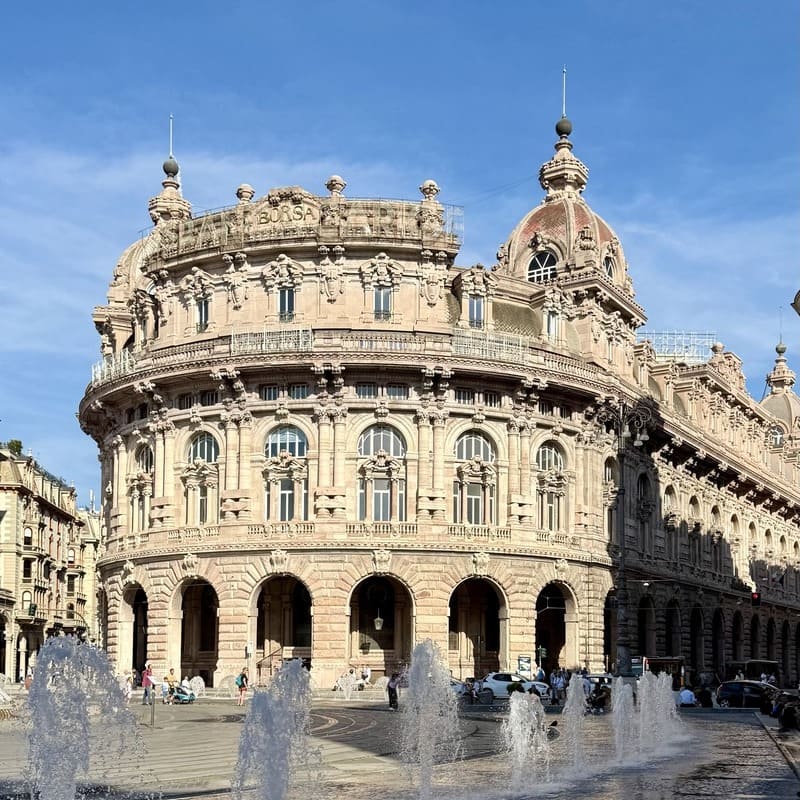
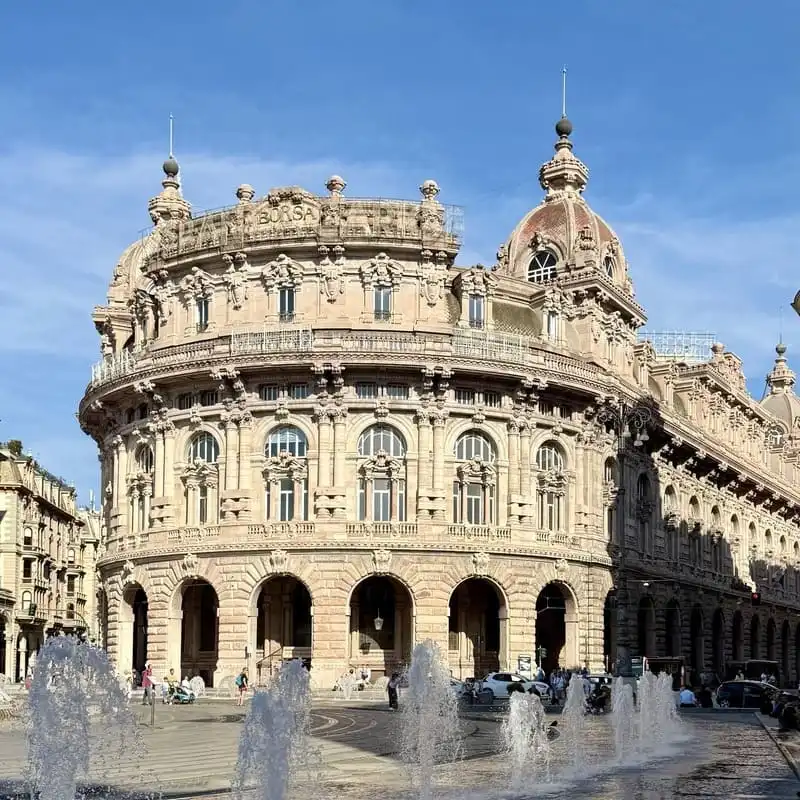
Sure, it’s Italy’s most important by cargo tonnage, and parts of the waterfront do look like your average industrial hellhole, but what they fail to realize is how this city is shockingly diverse in character. Like, it literally feels like 7 to 8 cities in one.
That’s not incidental: instead of spreading out inland, the city’s destined to stretch along the coast due to the mountain massifs that squeeze it against the Ligurian Sea.
It unfolds along the Ligurian Sea for a whopping 25 miles, and largely thanks to the subpar bus routes and limited metro stops, some neighborhoods are in fact best-reached by boat from the main port than by land.
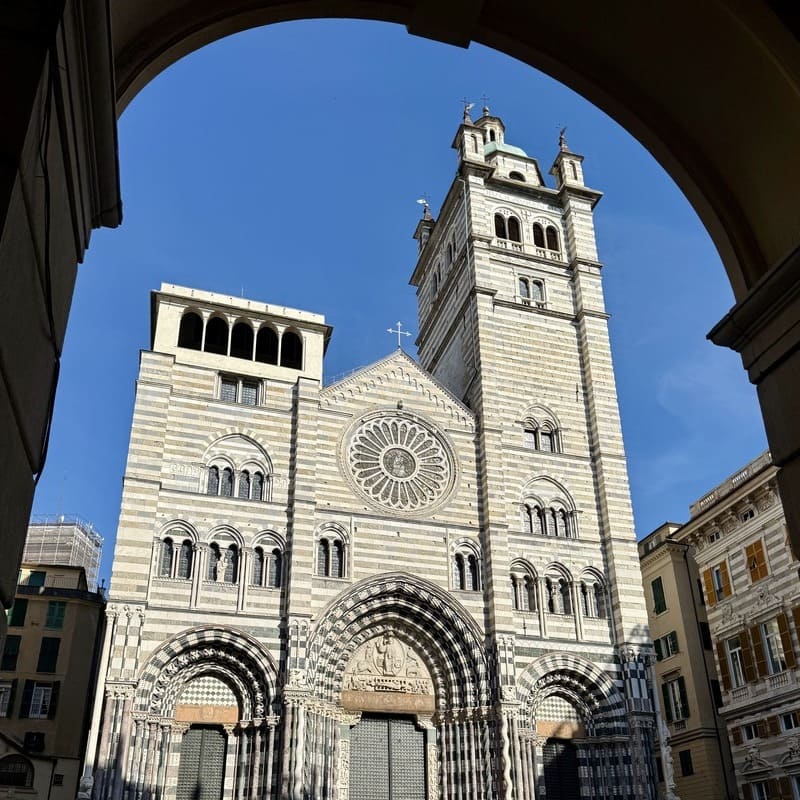
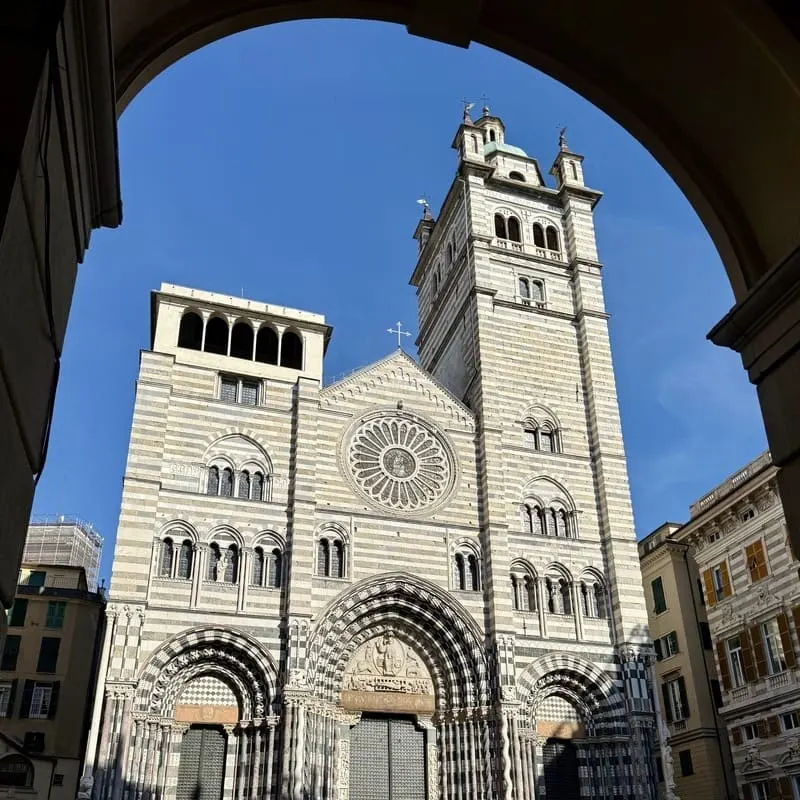
The Historic Center is the heart of it all, and perhaps you didn’t know this, but it just happens to be the largest Old Town area in all of Europe.
I’m talking an endless maze of cobbled streets lined with skinny, pastel-colored buildings, UNESCO-protected ducal palaces, and a black-and-white-striped cathedral housing an unexploded WWII naval shell that was dropped inside the nave, and never exploded.
Talk about divine intervention.
By the way, one of the coolest things you can do in Genova is hopping in a horizontal elevator than lifts upward halfway through the ride, connecting the medieval center with the residential, upper town Montegalletto neighborhood.
Check it out:
Intrigued yet? I haven’t even gotten into dissecting Genova’s outermost districts. Spoiler: it’s no average suburbia.
2.5 miles out, the former fishing village of Boccadasse, now part of the Genoa agglomeration, feels like an extension of the Cinque Terre quintet, with its colorful houses encroaching on a dark-pebble harbor and traditional trattorie.
A whole 7 miles northwest of the center, a 40 min ferry from the port, Pegli feels even more distinct:
Home to a long, sand-and-gravel beach, a regal Villa Durazzo-Pallavicini, where you’ll find Italy’s most beautiful landscaped gardens, and an unhealthy number of gelaterie, it’s as local as Genova gets without the cruise crowds.
Bressanone, South Tyrol
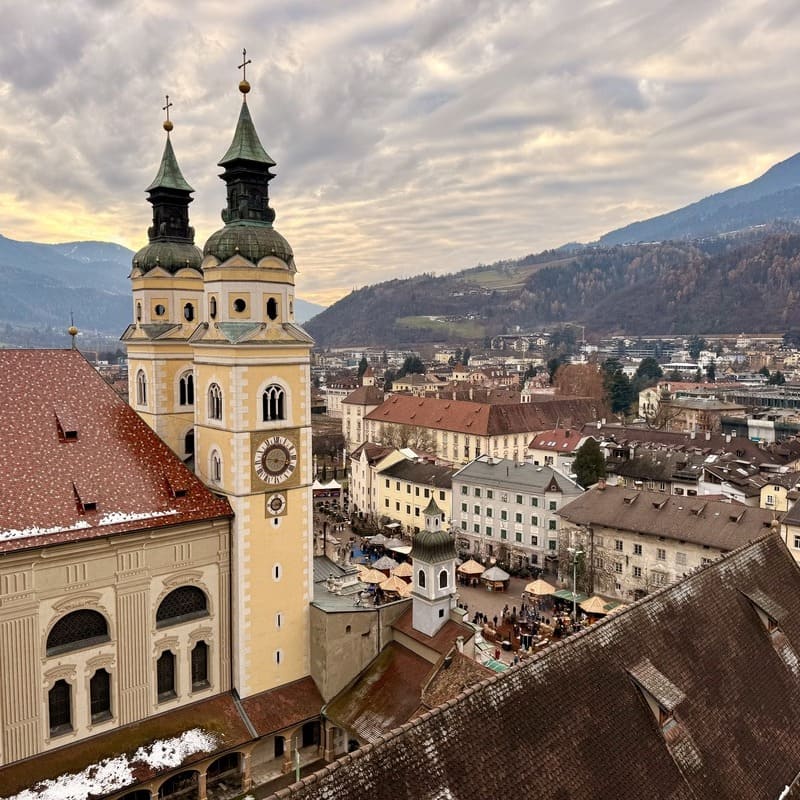
Forget the Italy of sun-drenched lungomari and Renaissance piazze. Well, you might still get a fair bit of sunshine up here, but it’s heavily dependent on the time of year.
Bressanone (also known by its alternative name Brixen) is an Italian-ish city nestled in a valley in the middle of the South Tyrolean Alps. If you’re wondering why it looks more Germanic than, well, Italian proper, it was seized from Austria in 1919, so it’s been under the tricolore flag ever since despite its staunch Austrian roots.
After fantasising about visiting for years, as South Tyrol had always been a part of Italy that inspired the most intrigue in me, I finally got to tick it off the list this winter, and let’s just say Bressanone did not disappoint.
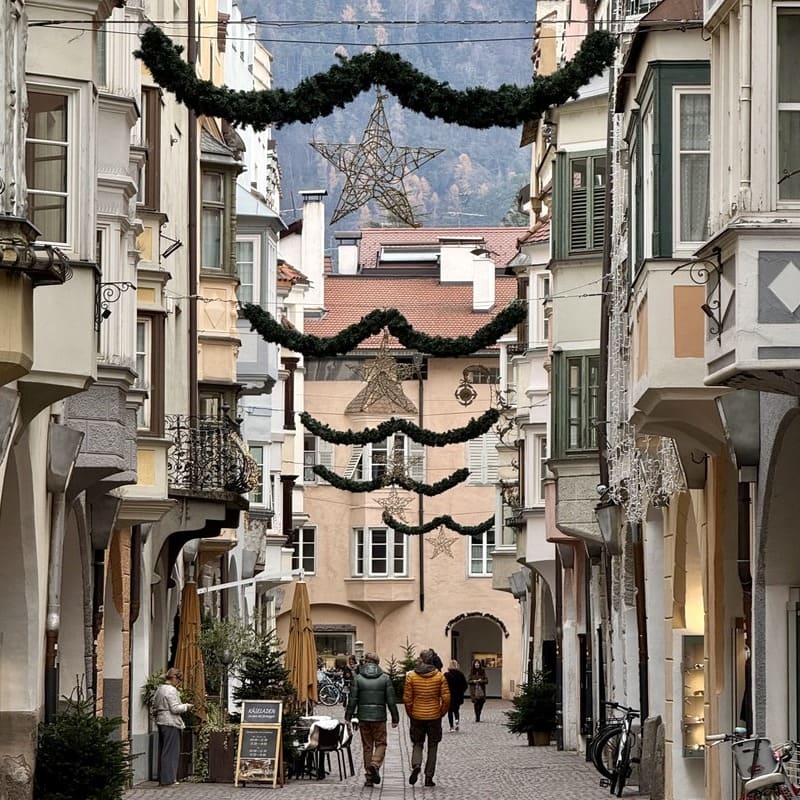
Granted, the omas chit-chatting in their South Tyrolean dialect of German, the Tyrolean-style beer halls, and the arcaded buildings in muted colors, hardly made me feel like this was the Italy I feel at home in, but that’s part of the reason why I am obsessed.
Let’s face it: this is Austria through and through, and there’s no amount of bilingual street signs—that never prioritize Italian, anyway—that will change it.
From the gorgeous, yellow-washed Baroque cathedral, to the well-preserved medieval city gates, this small, quaint alpine city will make your heart flutter faster than you can say schmetterling.
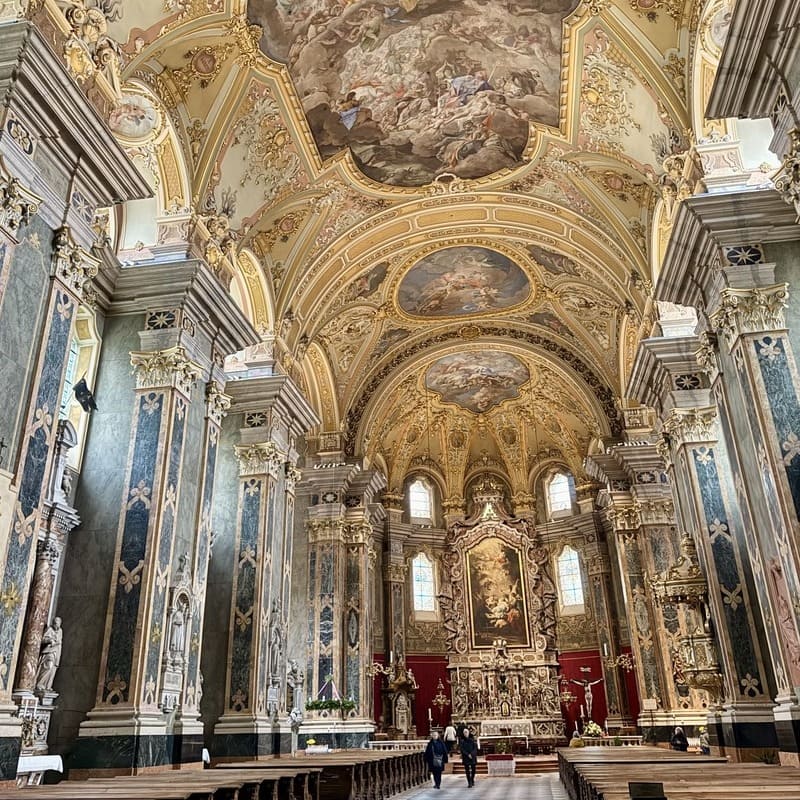
Don’t skip the moated Episcopal Palace, with its impressive frescoed rooms and richly-decorated chapel. For those visiting during Christmas, it hosts a magical light festival—last year’s was scored by none other than South Tyrolean native Giorgio Moroder himself.
It’s not an Italian city break until you’ve hit the top foodie spot in town, so for a quintessential Tyrolean dish in a typical Bressanonese enoteca, make sure you add Vinothek Vitis to your list:
Their freshly made ricotta cheese, extra-tender pink roasted duck breast, and crème brûlée with caramelised nuts and slices of pear are all the encouragement you need to make this a permanent fixture on your travel calendar.
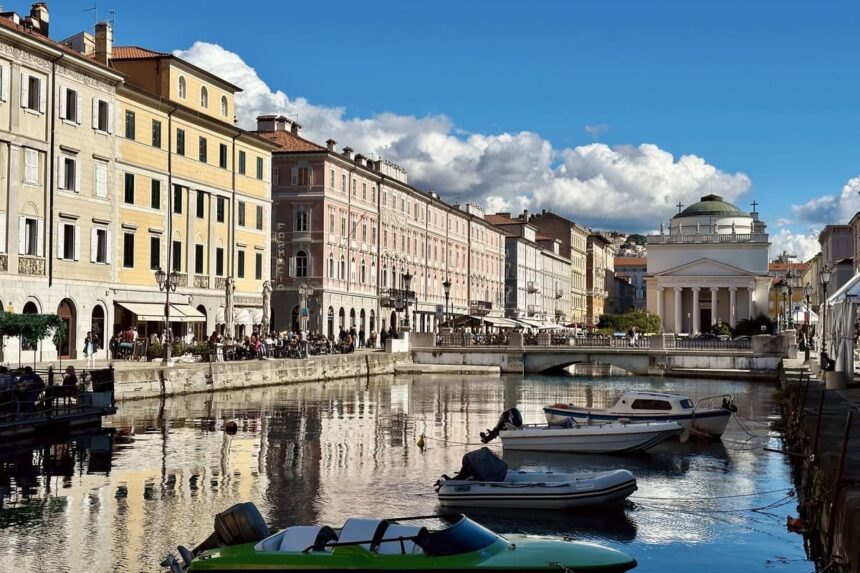
Trieste, Friuli-Venezia Giulia
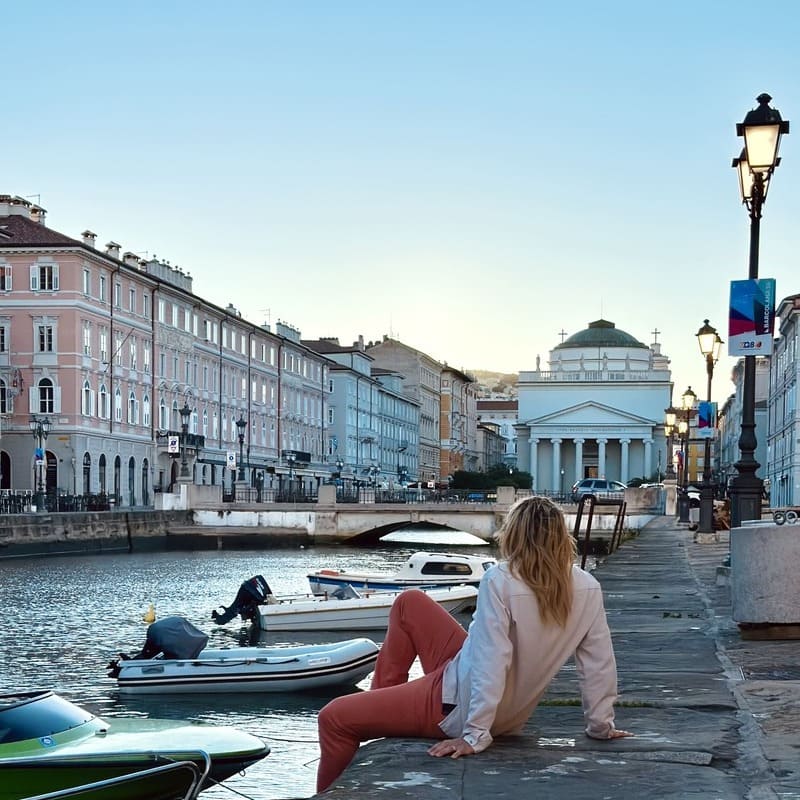
Tucked away in the easternmost edge of Italy, Trieste is the capital of the criminally-underrated, castle-packed region of Friuli-Venezia Giulia, and the last ‘Roman’ stronghold on the threshold of the Slavic World.
It’s a stone’s throw away from Slovenia, with the closest Slovene border town being a short 15 min drive from the center, while Rijeka in Croatia is roughly 1 hour. Needless to say, Trieste is yet another unexpected side of Italy tourists most tourists never, ever get to experience:
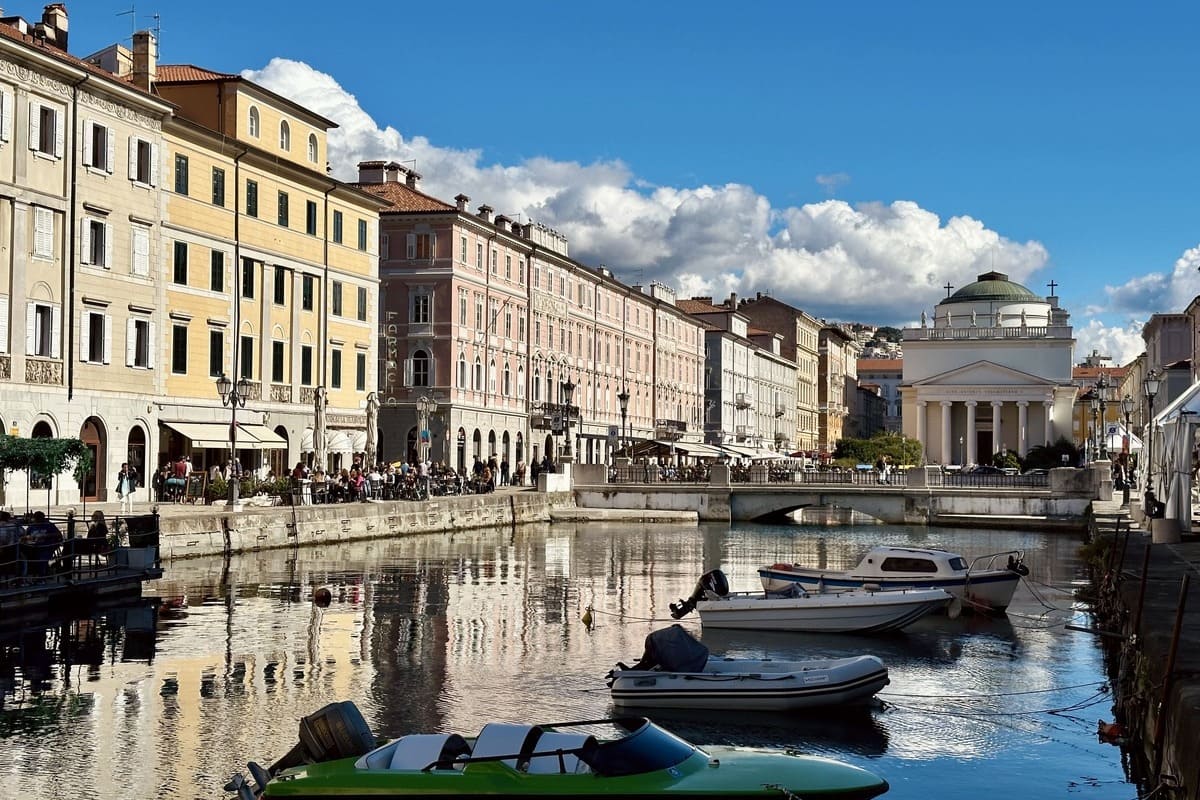
The canal-traversed Historic Center is filled not with your usual colorful, coastal townhouses, but elegant Habsburg-era edifices that closely resemble the architecture seen in Central European countries like Austria and Hungary.
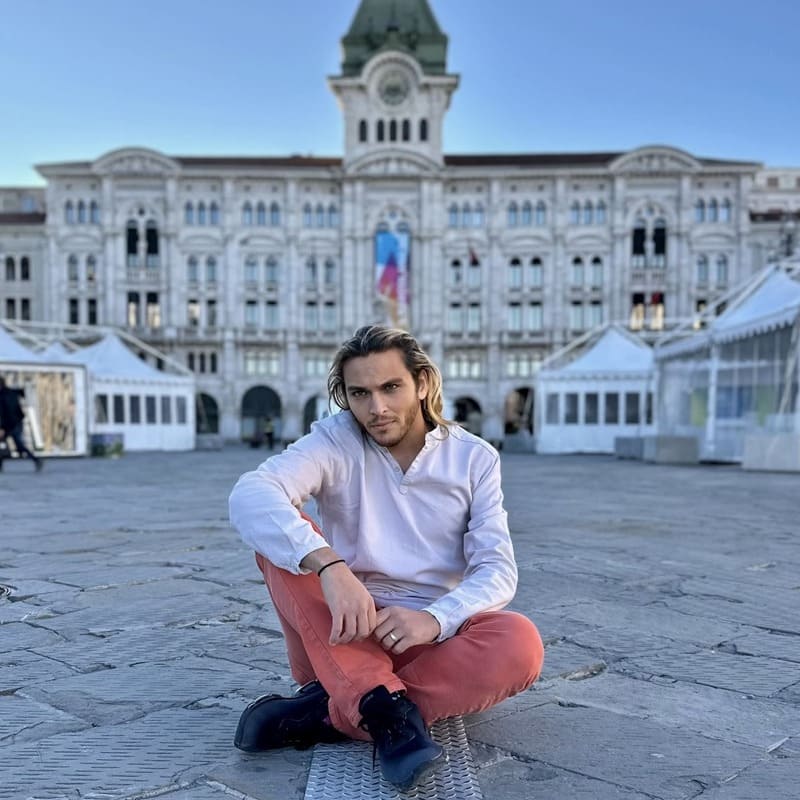
I can vividly recall stepping onto Piazza Unità d’Italia for the first time, and being genuinely awe-struck at its ornate end-of-century buildings, and just the sheer scale of it. I mean, the square’s own unique layout speaks for itself.
It directly faces the Adriatic Sea, and watching the sunset as you sip on a glass of Malvasia Istriana, and savor a spoonful of Trieste’s signature Slav-coded goulasch in one of the square’s many restaurants is a memory you’ll carry forever.
I’m not sure about you, but I’m a huge culture buff myself, and the Roman Empire is, well, my actual Roman Empire.
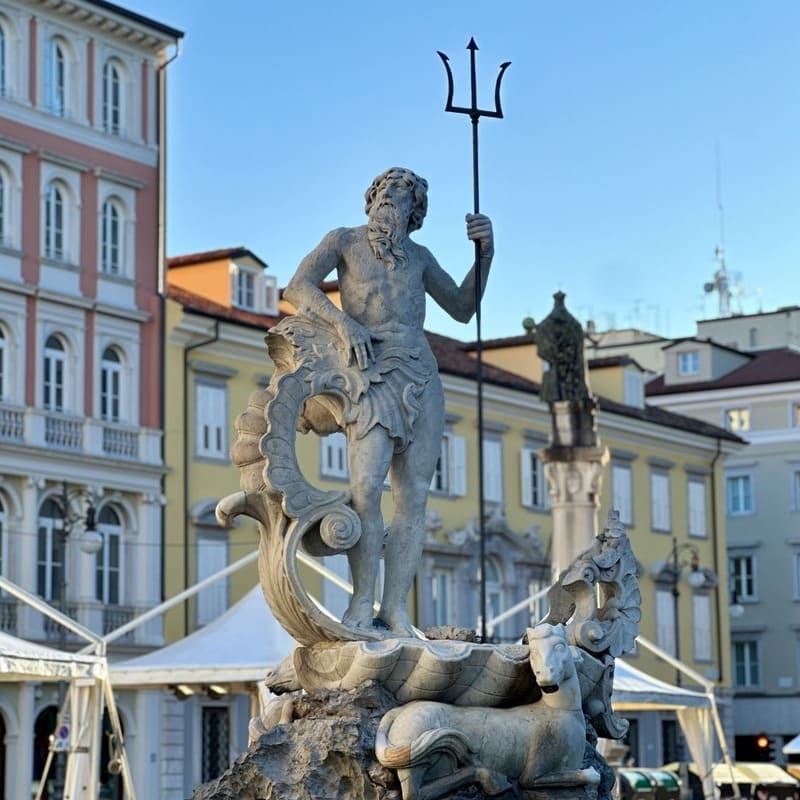
For those who share my enthusiasm for the greatest civilization that ever was, Trieste lays claim to a ruined Roman Theatre right in the city center, and the unassuming yet practically intact 1st-century Arco di Riccardo, now seamlessly attached to a modern building.
Unlike Germany, Italy is rarely mentioned in Holocaust talks, but in the San Sabba outskirts of Trieste you can visit an old rice-husking factory that was turned into a Nazi extermination camp at the height of Mussolini’s Duce-era fascism.
Bleak, no doubt, but Italy’s not all spritz breaks, and Instagrammable Sarà perché ti amo flash mobs, and that’s precisely what makes Trieste’s complex history so inherently fascinating.
Bergamo, Lombardy
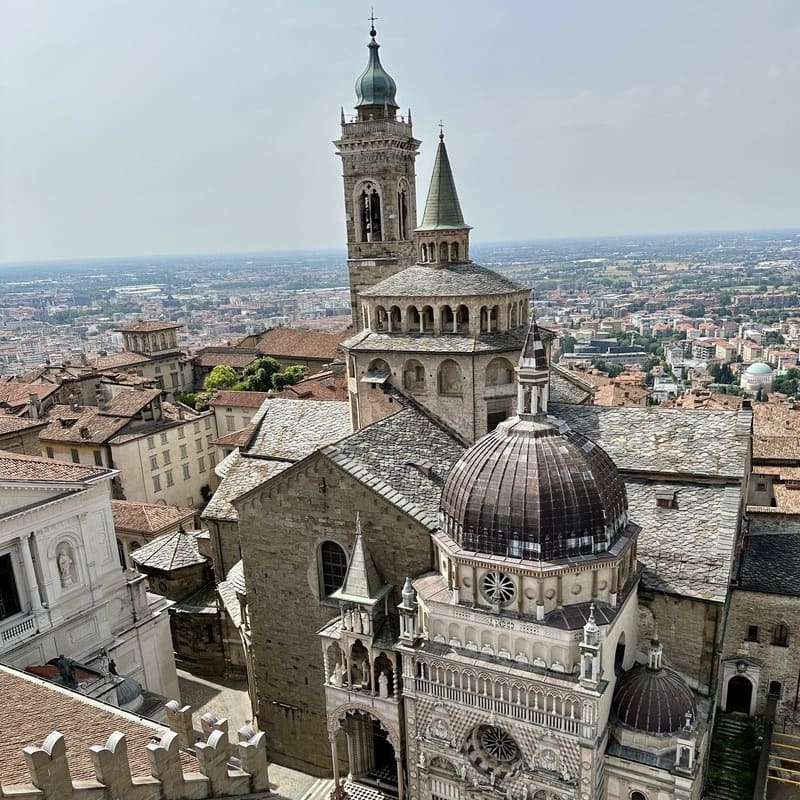
Flying to Milan soon? You should know you have three landing options: Malpensa (MXP), the largest international hub serving the Northerly city, Linate (LIN), the second-largest hub, and Milan-Bergamo (BGY), where those $15 Ryanair flights are typically directed to.
If you’re landing at BGY, hold off on hopping the next Terravision shuttle to Milan:
The airport is actually named after a smaller, picture-perfect city that, regrettably, keeps getting overshadowed by its flashier ‘Capital of Fashion’ neighbor.
A short 15 min bus ride away, Bergamo is a gorgeous hilltop medieval gem with your typical cobble-paved pathways, piazze surrounded by cozy trattorie, and an impressive collection of medieval monuments.
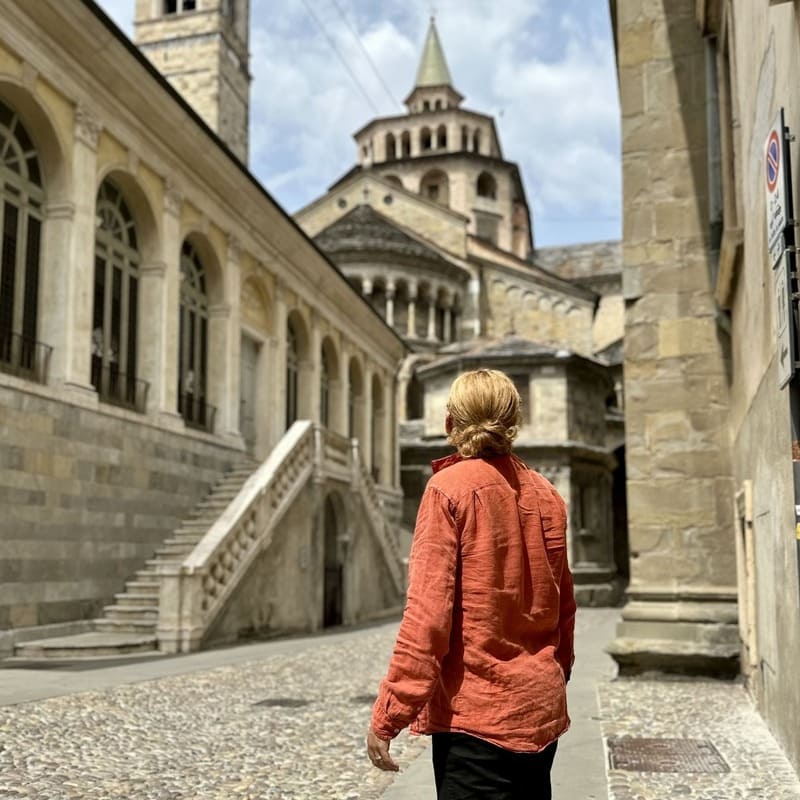
It’s also far less crowded and more serene than hectic Milan—and dare I say, it feels like the real Old World, unmarred by the latter’s hard-on-the-eyes modern skyscrapers and increasingly third-worldly Central Station district.
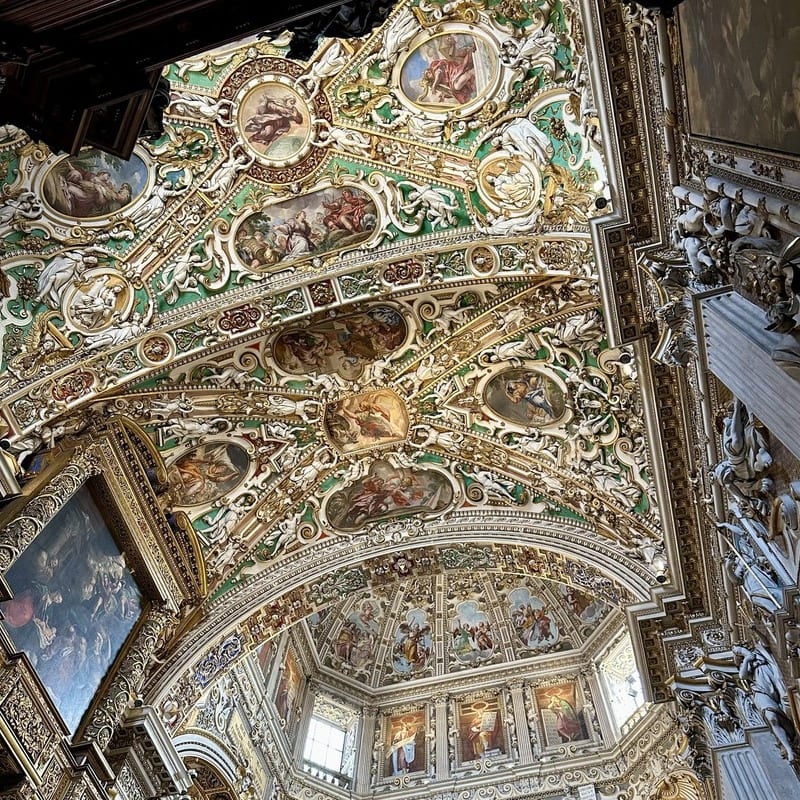
Bergamo’s main cultural is Città Alta, or High Town, where the stunning Basilica di Santa Maria Maggiore and its adjacent Renaissance-issued Cappella Colleoni are located.
Picture celestial frescoes that could have only been painted by God’s own angels, and delicate stuccowork that will make you question whether human hands were truly capable of achieving such immaculate perfection.
Palazzo della Ragione is yet another must-see spot:
A medieval palace with a panoramic terrace boasting views of Bergamo’s tower-dotted cityscape, and if time allows, make sure you stroll along the UNESCO-listed Venetian city walls, starting from the marble-carved Porta San Giacomo.
Craving classic Italian food? Pasta e Basta is my favorite eatery for cheap, handmade casoncelli alla bergamasca: a pasta dish paired with some Lombardian wine will set you back €20 ($24) per person.
Why Stop At Only 5?
Here’s More Italian Gems For Your Consideration


Heading to Italy this spring or summer and you’re craving something out of the ordinary? You know, none of the influencer-ruined beach towns, and definitely not Rome and its shoulder-to-shoulder crowds.
Try these Italian gems instead:
- Matera, the world’s 3rd oldest city and one of Italy’s best-preserved ancient towns
- Elba, a gorgeous island home to a historic medieval capital, where Napoleon was exiled in 1814
- Turin, the Italian Capital of Chocolate, and a Paris-coded hub with French-inspired architecture
- Cortona, a peaceful Tuscan town without the buzzing Florence crowds
- Sardinia, a laid-back Mediterranean island ringed by white-sand beaches and turquoise seas
- Bari, a characterful port city serving as gateway to the Puglia coast

Subscribe To Our Latest Posts
Enter your email address to subscribe to Travel Off Path’s latest breaking travel news, straight to your inbox.