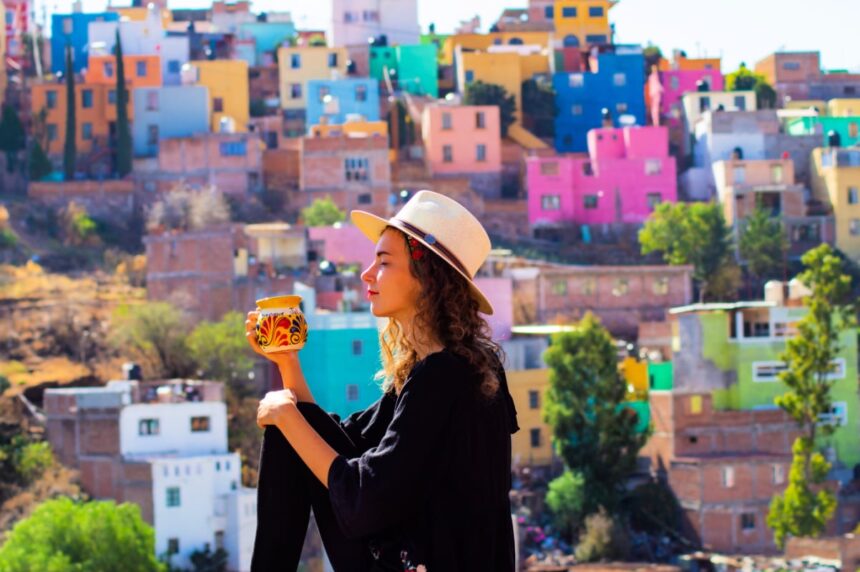
We talk a lot about safety in terms of crime or scams, but the quickest way to ruin a vacation isn’t a pickpocket—it’s the tap water. Trust me, I made this mistake ONCE in Mexico and vowed to never let it happen again.
The U.S. State Department and CDC maintain active warnings for some of the most popular destinations on earth, and 2026 is no exception.
Nothing kills your vacation faster than losing three days of your trip to a bathroom floor. Even if the locals drink it, your microbiome likely can’t handle it.
Here is why the U.S. is warning American travelers to avoid the tap water in these 5 popular destinations.
1. Mexico
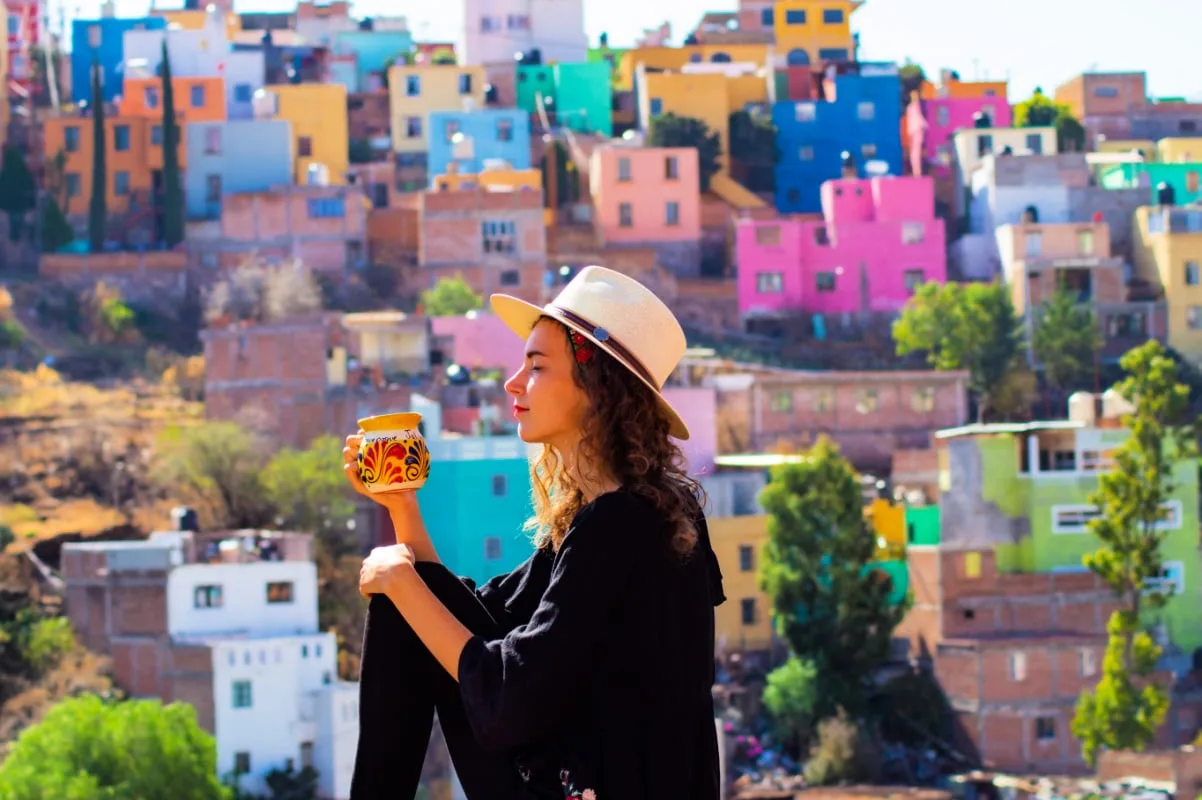
Let’s start with the big one.
Mexico is the number one international destination for Americans, period. Whether you are in Tulum, Cabo, or Mexico City, the rule is absolute: Do not drink the tap water.
I made the mistake in Mexico City and lost 2 days of my vacation time, making the bathroom of my Airbnb my new home. Not worth it!
The CDC explicitly advises travelers to avoid tap water and ice made from it (which I am pretty sure is what got me). The risk here isn’t just a stomach ache; it’s Hepatitis A, Typhoid, and parasites.
- The Trap: It’s usually not the glass of water that gets you—it’s the ice. In high-end resorts, the ice is usually filtered (ask if it’s “purified” or agua purificada), but in street stalls or smaller restaurants, that ice cube in your margarita might be made from straight tap water.
- The Fix: Stick to sealed bottles. If you are brushing your teeth in a budget hotel or Airbnb, use bottled water for that, too.
2. Dominican Republic
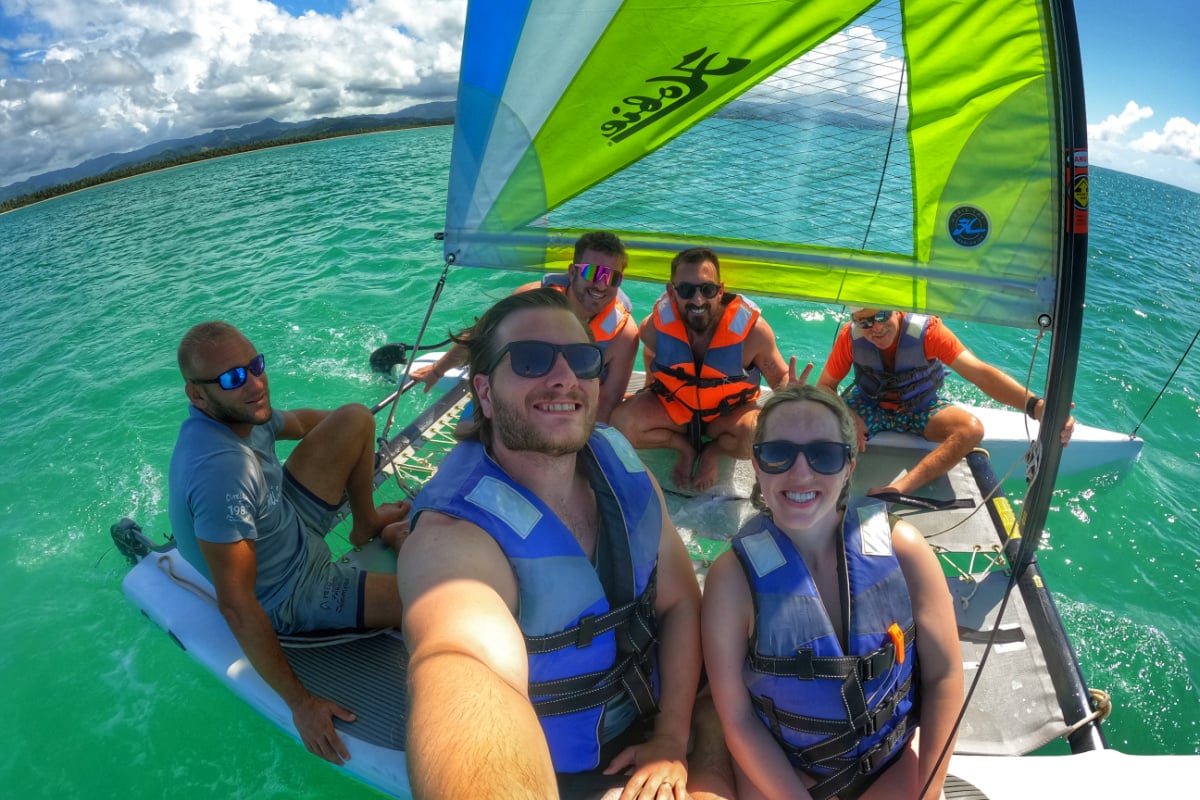
The D.R. is crushing tourism records right now, with Punta Cana and the new Miches developments pulling in millions. But the infrastructure hasn’t entirely caught up to the crowds.
While the massive all-inclusive resorts have industrial-grade filtration systems, once you step off the property, you are in the danger zone. The CDC notes that tap water in many areas is not potable.
I’ve been to the DR many times, and have never had any trouble using the water to brush my teeth, but I would never risk it as a source of drinking water. Better safe than sorry!
- The Trap: Salads and unpeeled fruit. If that lettuce was washed in tap water, you are taking a gamble.
- The Fix: At the resort, you are generally safe. Outside the resort, drink beer, wine, or bottled soda. Avoid the fresh juices unless you are 100% sure of the water source.
3. Indonesia (Bali)
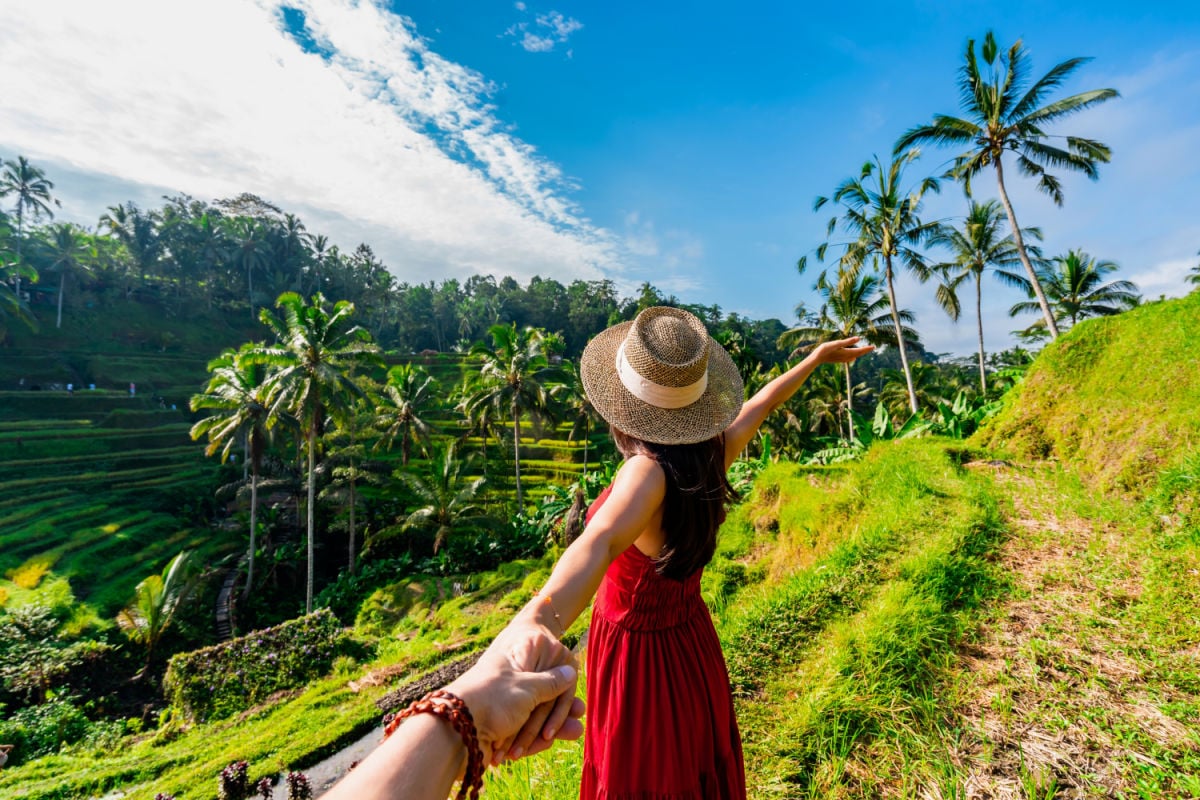
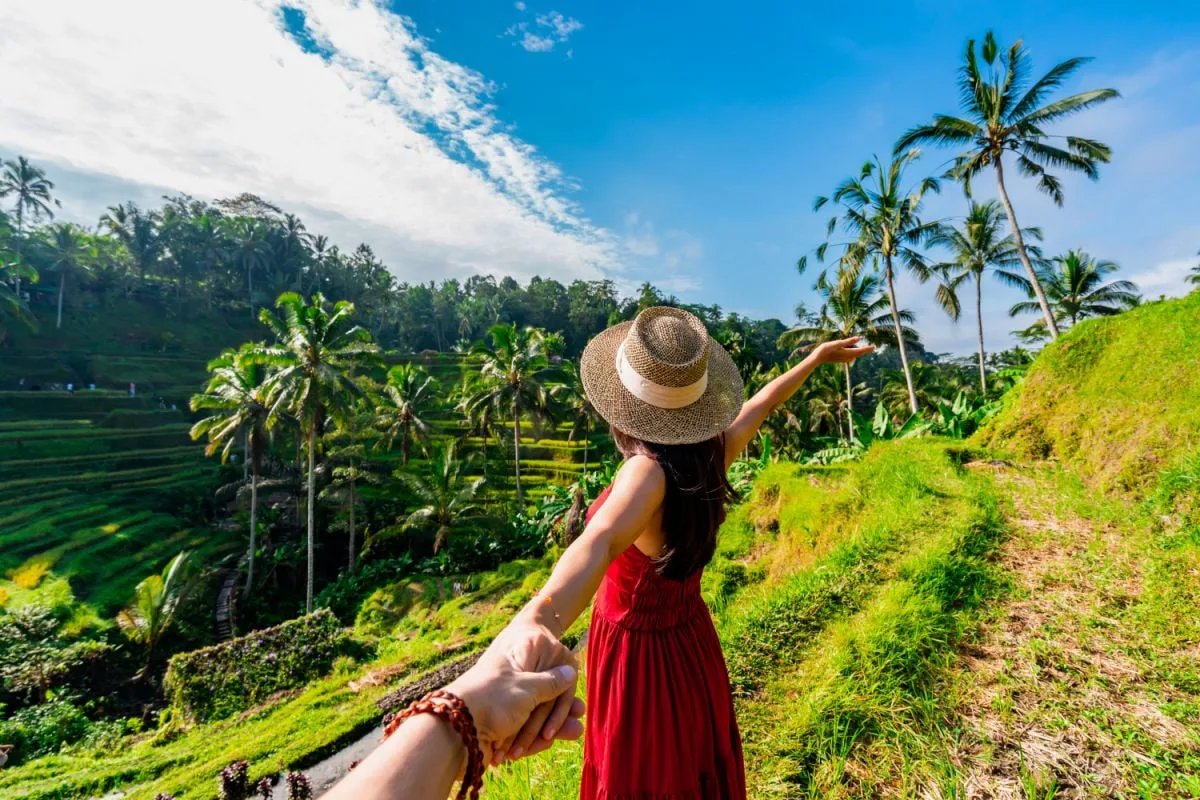
“Bali Belly” is famous for a reason. It is practically a rite of passage for backpackers, but it doesn’t have to be.
Indonesia’s tap water is not safe to drink, even in the luxury villas of Uluwatu or Seminyak. The local infrastructure struggles with bacterial contamination, and the tropical heat accelerates it.
- The Trap: Brushed teeth and shower water. I know people who rigorously drank bottled water but swallowed a mouthful in the shower and paid the price.
- The Fix: Many hotels now provide glass bottles of purified water in the bathroom for brushing your teeth. Use them. If you order a mixed drink, confirm the ice is from a factory (it usually is—look for the uniform cylindrical shape with a hole in the middle).
4. Colombia

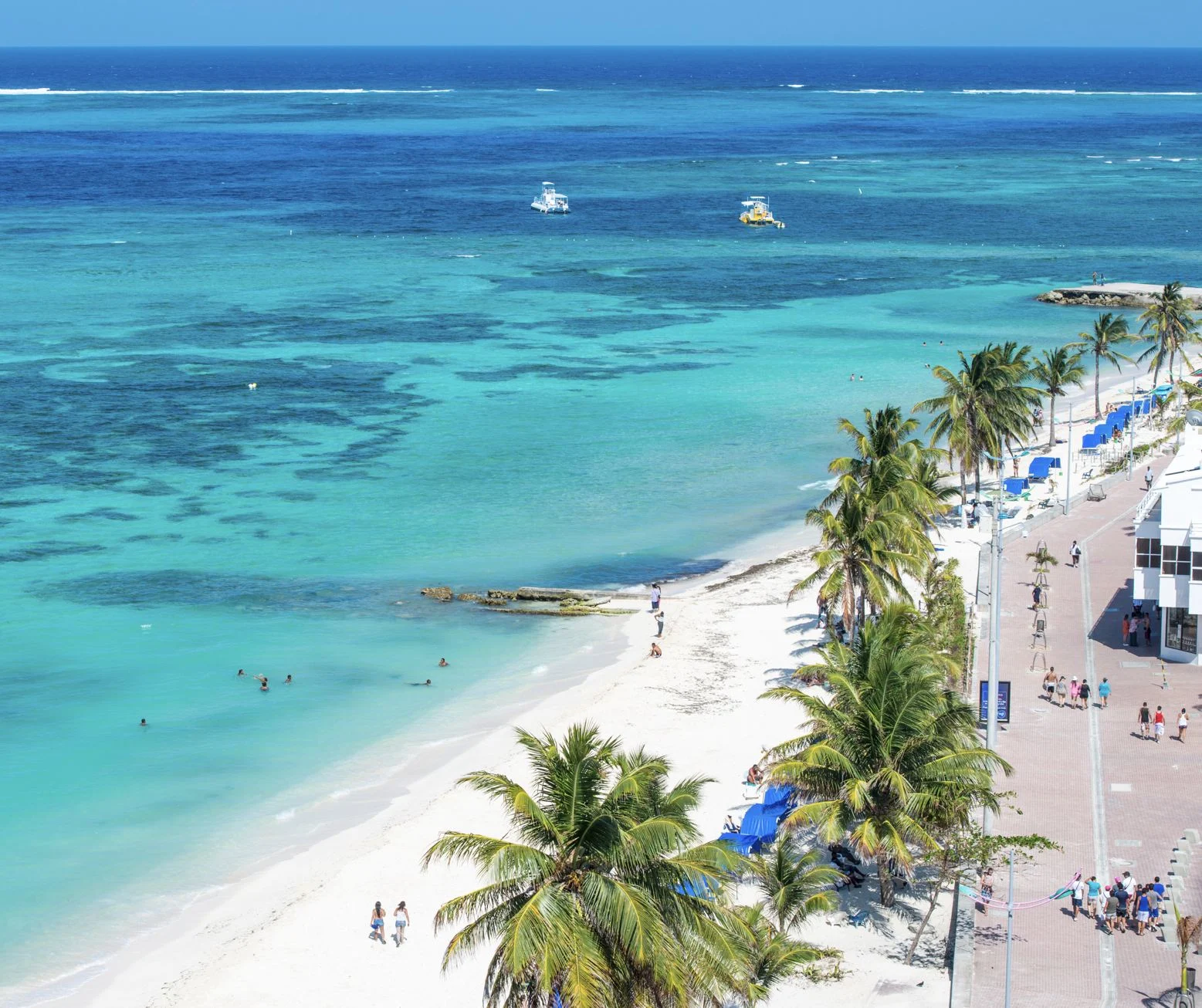
This one is tricky because the government will tell you the water in major cities like Bogota and Medellin is treated and safe. And personally, I’ve used the tap water in Medellin to make my coffee and brush my teeth and had no issues.
Technically, the water in major cities is safe. But here is the catch: the water leaving the plant might be clean, but the pipes it travels through to get to your Airbnb might be 50 years old and cracked. The U.S. advisory highlights rural areas as high-risk, but plenty of travelers still get sick in the cities due to the different mineral content and bacteria levels their bodies aren’t used to.
- The Trap: The “City vs. Country” switch. You might be fine drinking tap water in a high-end hotel in Bogota, but if you head out to Guatapé or Salento for the weekend, that water will wreck you.
- The Fix: Don’t risk it. You are on vacation. Just buy the 5-liter jug for your room and keep your stomach happy.
5. Cuba
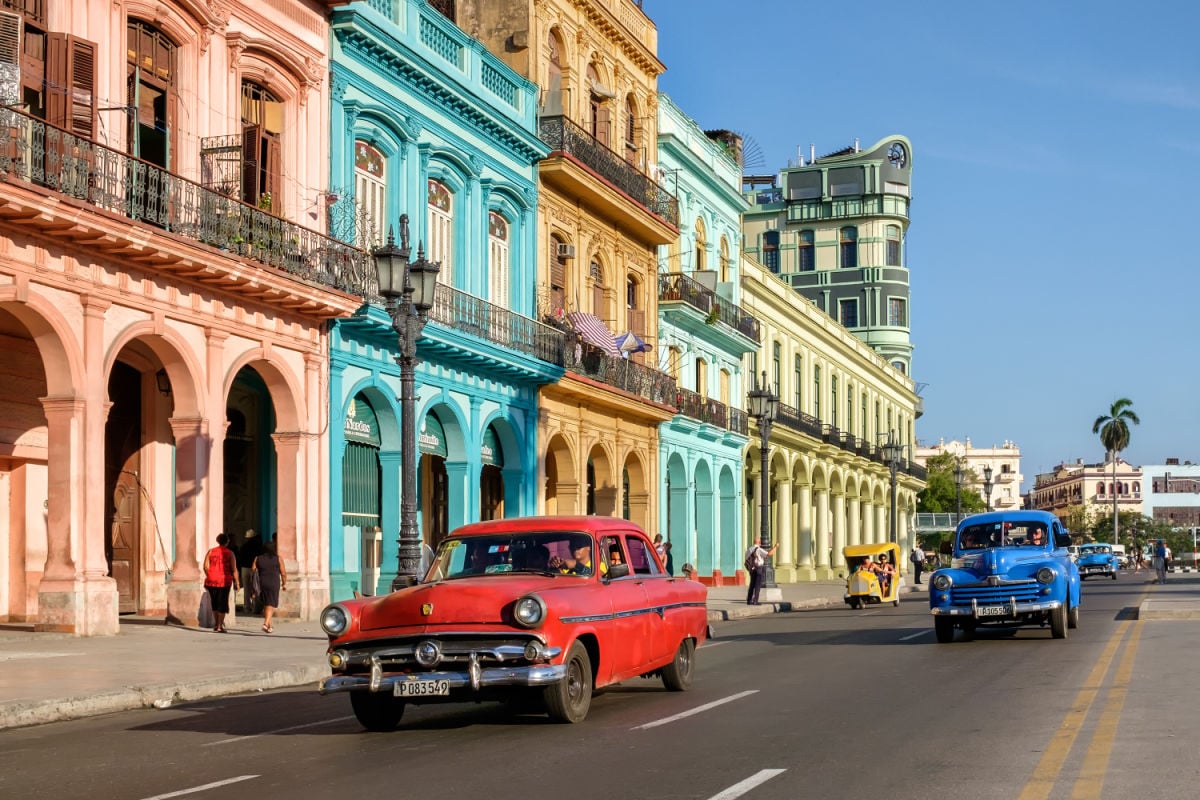
Cuba is a unique case. The water safety issue here is compounded by infrastructure challenges and occasional shortages.
The CDC warns of occasional cholera outbreaks and general waterborne illnesses. But the bigger issue in 2026 is often scarcity. There are times when bottled water can be hard to find in shops due to supply chain issues.
- The Trap: Mojitos in rural areas. Cane sugar covers up a lot of tastes, including bad water.
- The Fix: If you are going to Cuba, bring a LifeStraw or a filtered water bottle (like a Grayl). It is the single best investment you can make for this trip. It means you can turn tap water into safe drinking water if the shops are sold out of bottles.

Subscribe To Our Latest Posts
Enter your email address to subscribe to Travel Off Path’s latest breaking travel news, straight to your inbox.