Spring travel is usually the “sweet spot”—better weather than winter, fewer crowds than summer. But for Spring 2026, the script has flipped for some of the world’s most iconic spots.
Between massive new tourist taxes, historic crowd predictions, and “VIP only” restrictions, the “dream trip” you’re planning could easily turn into a logistical nightmare. As the team at Travel Off Path, we track these trends daily. We aren’t telling you to boycott these places forever, but for this specific season, the hassle simply outweighs the reward.
We’ve crunched the data on 2026 anniversaries, new tax laws, and protest activity to bring you the 7 destinations we are advising caution on this spring—and the smarter alternatives to book instead.
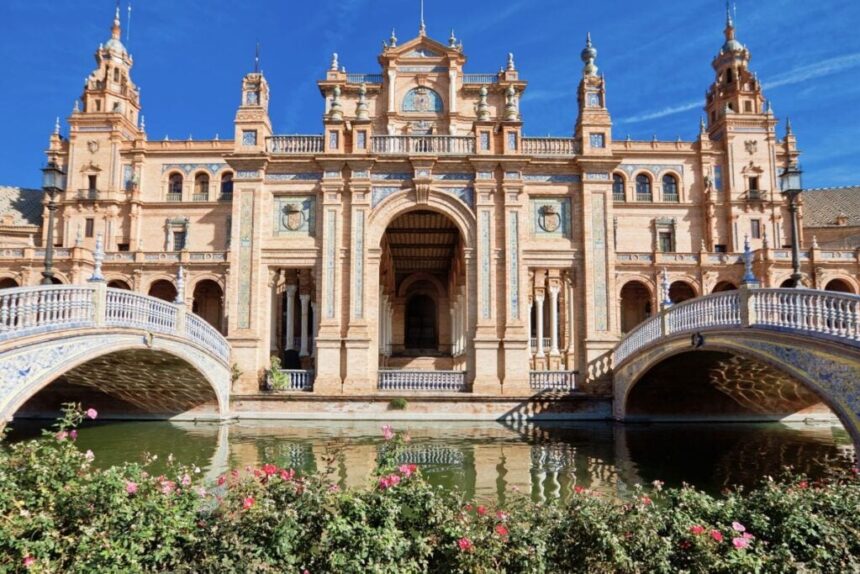
1. Seville, Spain (During April Fair)
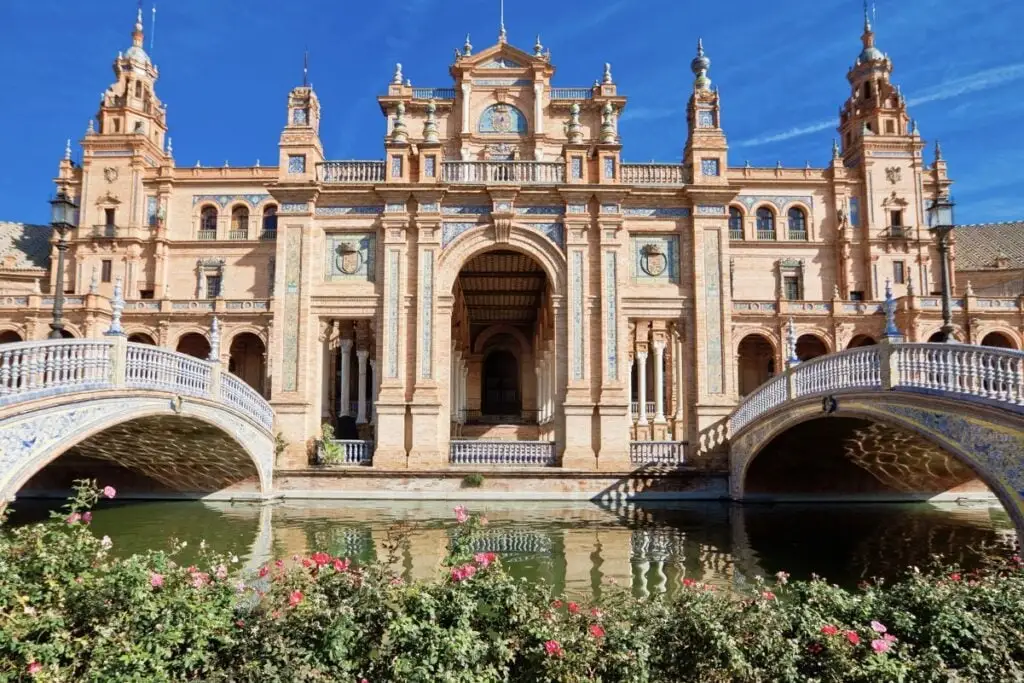
The Problem: The “VIP Only” Reality The Feria de Abril looks incredible on social media—colorful dresses, horse-drawn carriages, and non-stop dancing. But for the average tourist, it can be a major letdown. The core issue is exclusivity: the vast majority of the over 1,000 “casetas” (party tents) are private and require an invitation from a member for entry.
Travelers without local connections are often forced into the handful of public municipal tents, which can be overcrowded and lack the authentic atmosphere of the private ones. You end up paying premium prices for hotels just to feel like an outsider looking in.
- Instead, consider: Cordoba, Spain (Patios Festival). Visit Cordoba in May for the Fiesta de los Patios. Unlike Seville’s private parties, this festival is about opening doors. Locals open their stunning, flower-filled private courtyards to the public for free. It’s welcoming, visually spectacular, and completely accessible.
2. Washington, D.C.

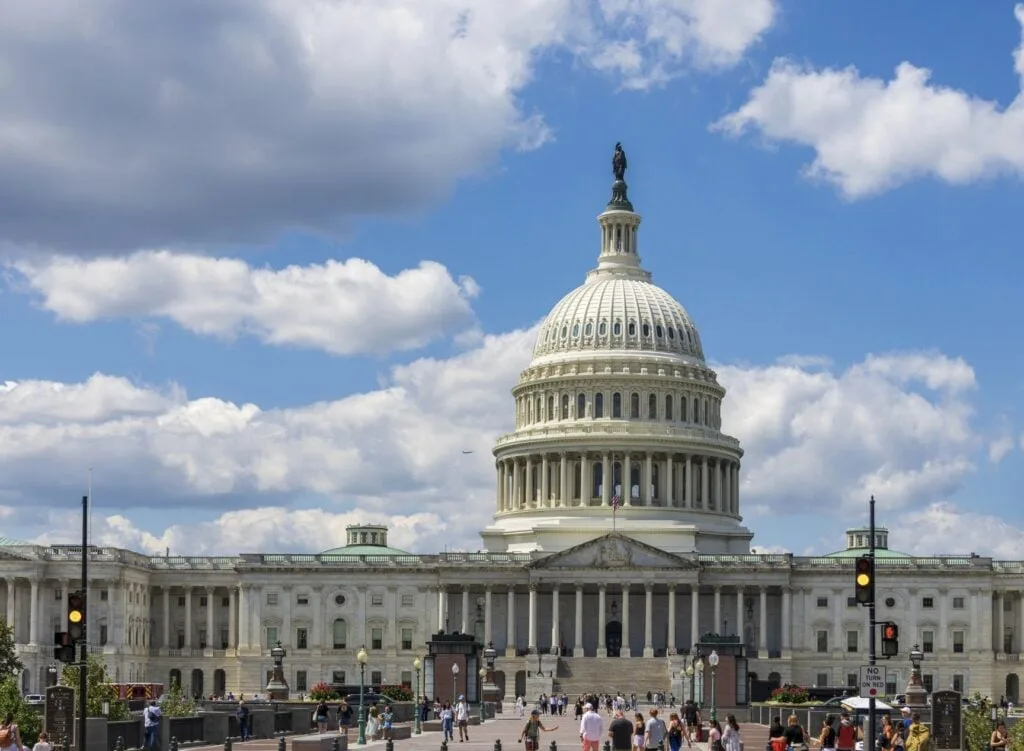
The Problem: The “250th Anniversary” Crush Viewing the cherry blossoms at the Tidal Basin is a bucket-list item, but Spring 2026 is arguably the worst year to try it. With the United States celebrating its Semiquincentennial (250th Anniversary), organizers are predicting “nearly double” the usual number of attendees.
The general infrastructure around the National Mall is already under pressure from ongoing seawall construction. Add in the largest crowds in the event’s history, road closures, and astronomical hotel rates, and you’re looking at a stress test rather than a vacation.
- Instead, consider: Newark, New Jersey (Branch Brook Park). It sounds surprising, but Branch Brook Park actually has more cherry blossom trees than Washington D.C. (over 5,000 compared to D.C.’s 3,700). It’s spectacular, significantly less chaotic, and free of the 250th-anniversary hype.
3. Kyoto, Japan
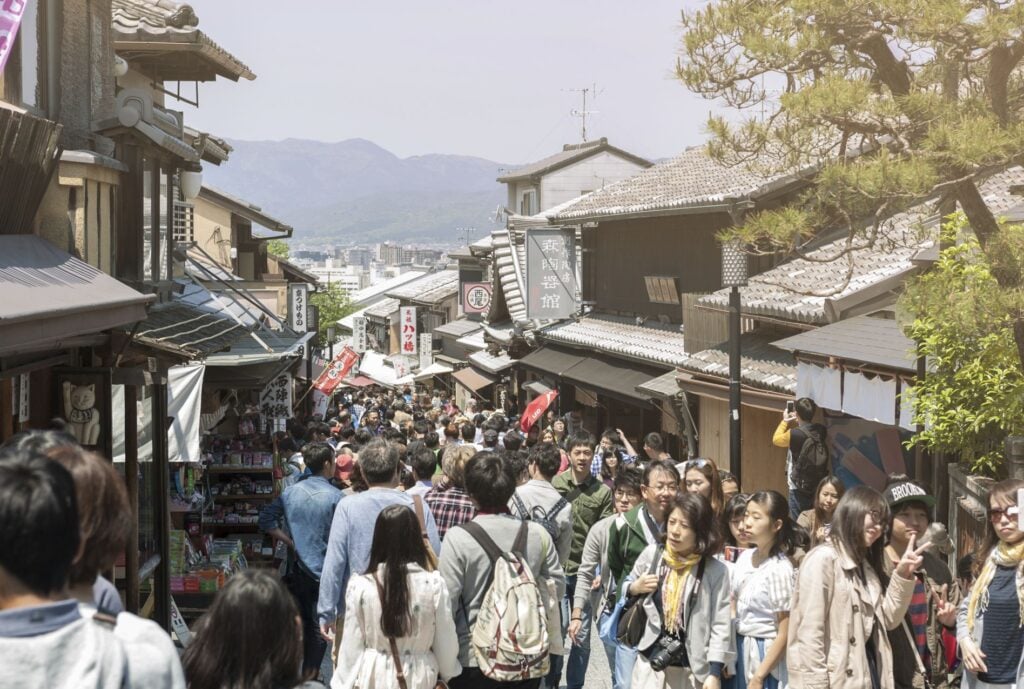
The Problem: The “900% Tax” & Overtourism Shock We all know Kyoto is crowded, but Spring 2026 introduces a new barrier: a massive, tiered hike in lodging taxes starting March 1. While budget stays see a smaller increase, luxury accommodations (costing over ¥100,000) will see the tax jump by 900%—from ¥1,000 to ¥10,000 per person, per night.
Combine that with the relentless post-pandemic travel boom, and you are paying a premium just to stand shoulder-to-shoulder in the Gion district. The famous “serenity” of the temples is effectively non-existent during cherry blossom season.
- Instead, consider: Kanazawa, Japan. Often called “Little Kyoto,” Kanazawa offers the same beautifully preserved geisha districts (Higashi Chaya), samurai history, and one of Japan’s top three gardens (Kenroku-en) without the crushing crowds.
4. Miami Beach, Florida
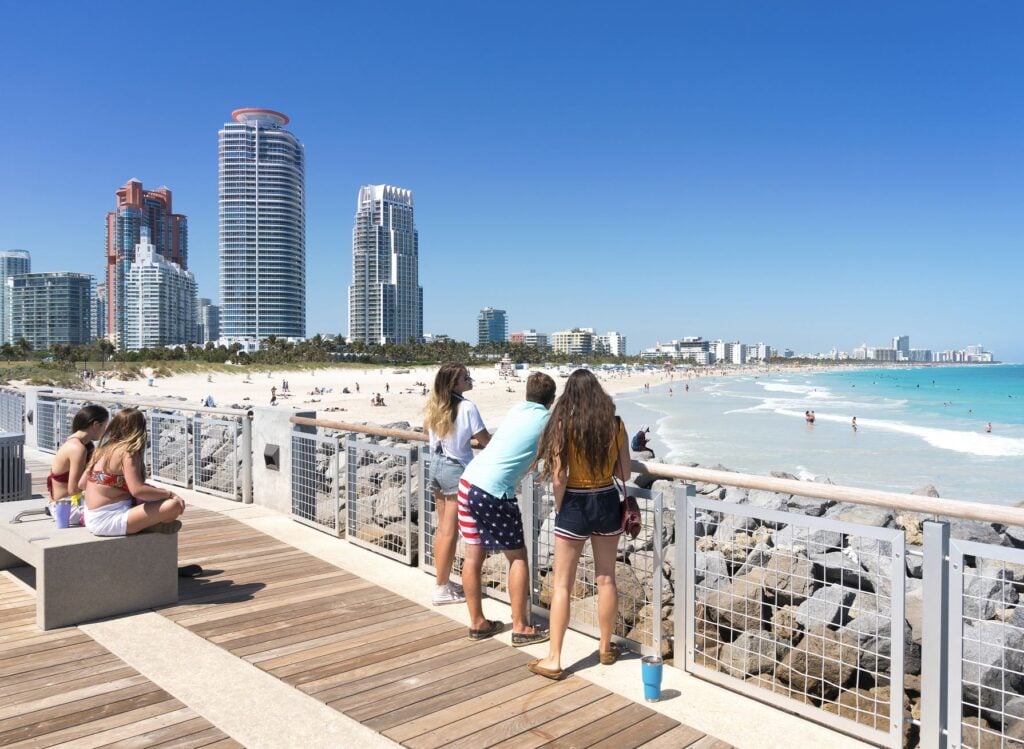
The Problem: The “Fun Police” Crackdown Spring Break in Miami Beach used to be legendary; now, it’s a police operation. After years of chaos, the city has implemented severe restrictions that will continue into Spring 2026. These include midnight curfews, bag checks at beach entrances, DUI checkpoints, and massive parking fees ($100 flat rates for non-residents).
Even if you aren’t a rowdy party-goer, the heavy police presence and early beach closures affect the entire “vibe” of the city. It’s no longer a relaxed beach getaway in March and April; it’s a managed containment zone.
- Instead, consider: Clearwater Beach / St. Pete, Florida. Head to Florida’s Gulf Coast. You still get the warm weather and incredible white sand beaches (often rated better than Miami’s), but the atmosphere is far more relaxed and welcoming.
5. Barcelona, Spain
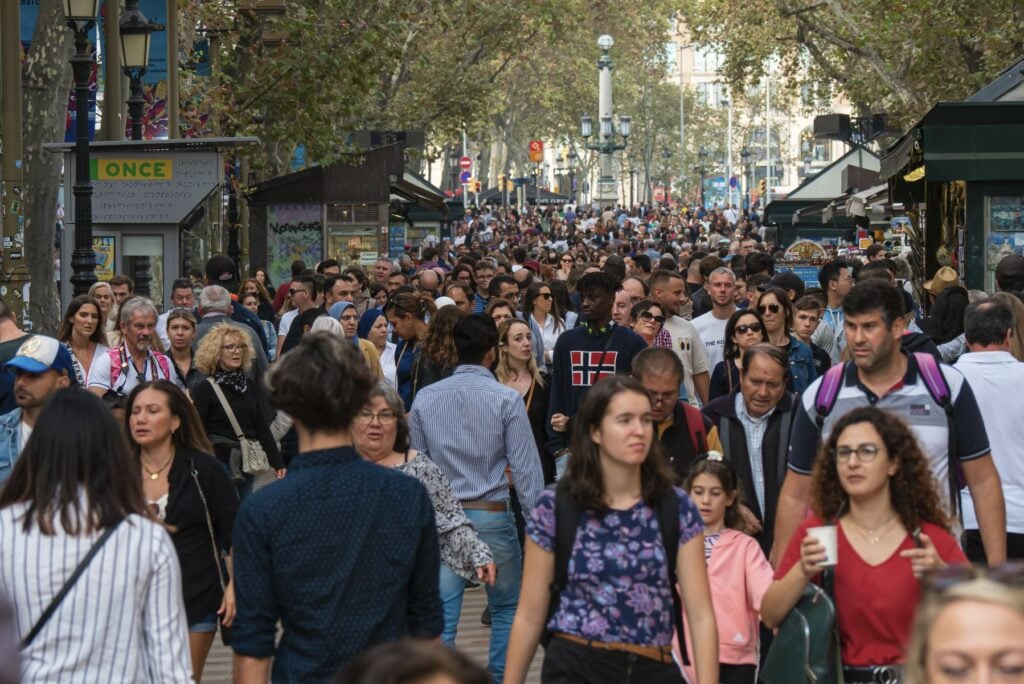
The Problem: The “Gaudí Centennial” Gridlock You thought Barcelona was crowded before? 2026 marks the 100th Anniversary of Antoni Gaudí’s death, and the city is marketing it as a major milestone. The central Tower of Jesus Christ at the Sagrada Familia is set for structural completion, making it the world’s tallest church building and drawing record crowds.
Expect biblical lines in the Gothic Quarter this spring. To make matters worse, the tourist tax for luxury accommodations is rising to €7 per night starting in April 2026. You are paying more to stand in longer lines in a city where anti-tourism sentiment is palpable.
- Instead, consider: Madrid, Spain. It has no drought restrictions, no cruise ship day-trippers, and world-class museums (Prado, Reina Sofia) that rival anything in Catalonia. The “Golden Triangle of Art” absorbs crowds far better than Barcelona’s narrow alleys.
Spring Travel: The Savvy List
Some popular spots are facing major issues for Spring 2026. Click on a destination below to see the “Instagram vs. Reality” breakdown and our smart alternative.
The Problem: The “VIP Only” Reality
- • Most party tents (casetas) are private/invite-only.
- • Tourists are often stuck in crowded public tents.
- • Record crowds and inflated prices for 2026.
The Smart Alternative:
➡️ Cordoba, Spain (Patios Festival): Locals open their stunning private courtyards to everyone for free.
The Problem: The “250th Anniversary” Crush
- • The Semiquincentennial means double the usual crowds.
- • Expect road closures and impossible hotel rates.
- • Ongoing seawall construction limits viewing space.
The Smart Alternative:
➡️ Newark, NJ (Branch Brook Park): Has 5,000+ cherry trees (more than DC!) without the chaos.
The Problem: The “900% Tax” Shock
- • New tiered lodging tax hits luxury stays hard.
- • Gion district is shoulder-to-shoulder crowded.
- • The famous “serenity” is non-existent in spring.
The Smart Alternative:
➡️ Kanazawa, Japan: “Little Kyoto” offers geisha districts and gardens with breathable space.
The Problem: The “Fun Police” Crackdown
- • Midnight curfews and DUI checkpoints.
- • Massive $100 parking fees for non-residents.
- • Heavy police presence kills the vacation vibe.
The Smart Alternative:
➡️ Clearwater Beach / St. Pete: Incredible white sand beaches with a relaxed, welcoming atmosphere.
The Problem: The “Gaudí Centennial” Gridlock
- • 100th Anniversary means biblical crowds.
- • Tourist taxes are rising to €7/night for luxury stays.
- • Anti-tourism sentiment is currently high.
The Smart Alternative:
➡️ Madrid, Spain: World-class museums and tapas culture without the overcrowding issues.
The Problem: The “Surge Pricing” Trap
- • New €10 entry fee for last-minute day trippers.
- • Mandatory QR code registration kills spontaneity.
- • Feels more like a theme park than a city.
The Smart Alternative:
➡️ Treviso, Italy: A wealthy canal city just 20 mins away. Authentic, free, and uncrowded.
The Problem: The “Limit Reached” Revolt
- • Large-scale protests against mass tourism.
- • New eco-taxes for hiking in National Parks.
- • Tense atmosphere between locals and visitors.
The Smart Alternative:
➡️ The Azores, Portugal: Dramatic volcanic landscapes with a sustainable, welcoming approach.
Check Entry Requirements For Your Destination →
6. Venice, Italy
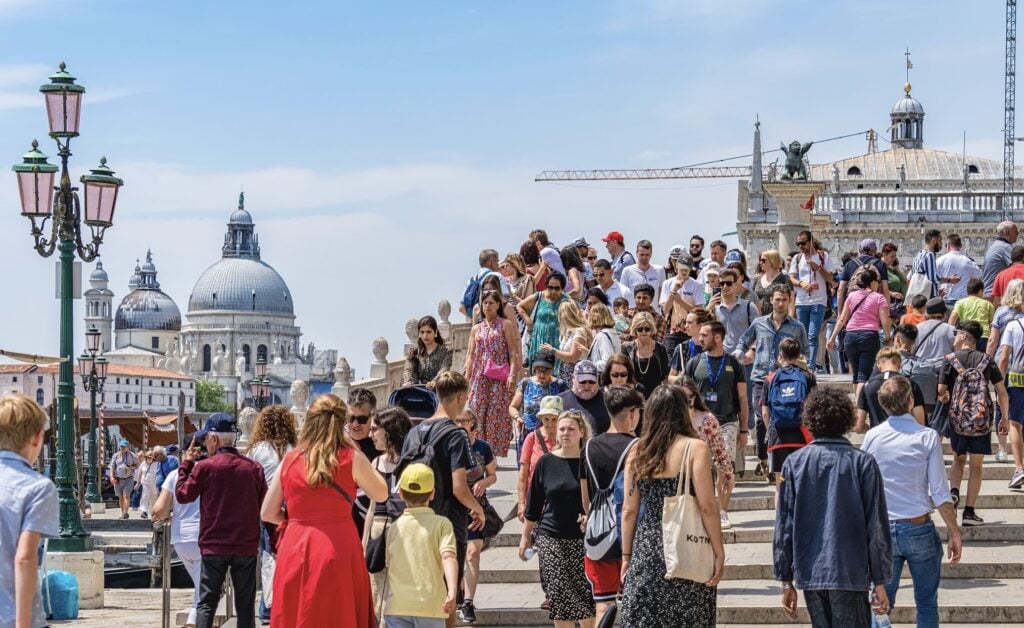
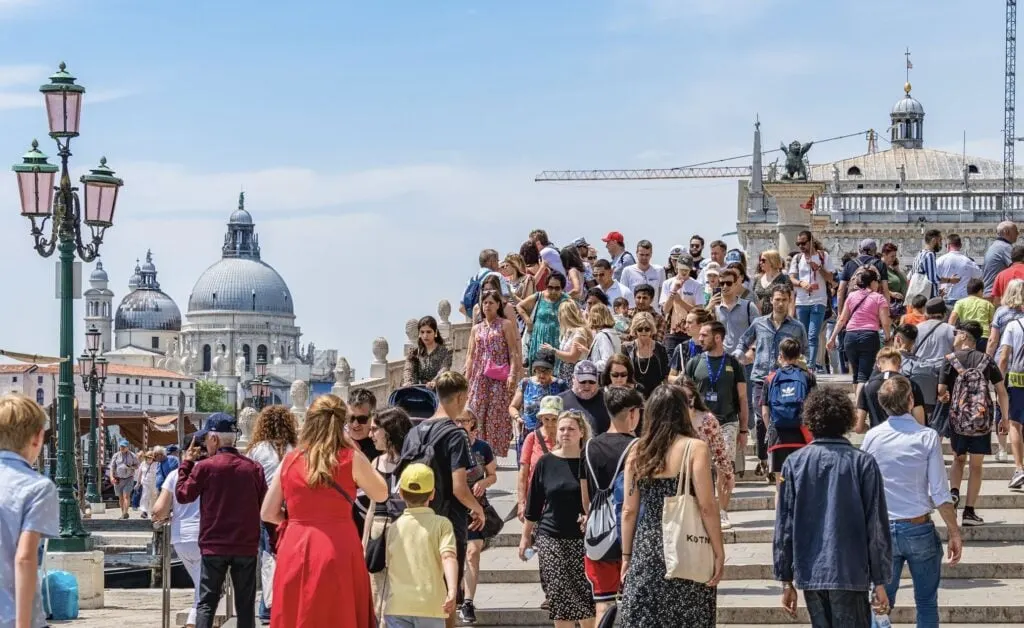
The Problem: The “Surge Pricing” Trap Venice has stopped threatening and started billing. For Spring 2026, the city has expanded its “Access Fee” for day-trippers to cover 60 peak days between April and July. The fee is no longer flat; it uses a dynamic model where last-minute bookings (less than 4 days in advance) jump to €10.
While overnight guests are exempt from the fee, they still have to register for a QR code. It is the definition of a “Pay-to-Play” theme park experience, killing any sense of spontaneity or romance.
- Instead, consider: Treviso, Italy. Just a 20-minute train ride away, Treviso is a wealthy, canal-filled city that feels like Venice without the tourists. It’s the birthplace of Tiramisu, requires no entry fee, and allows you to actually see the water instead of the back of a cruise shipper’s head.
7. The Canary Islands, Spain
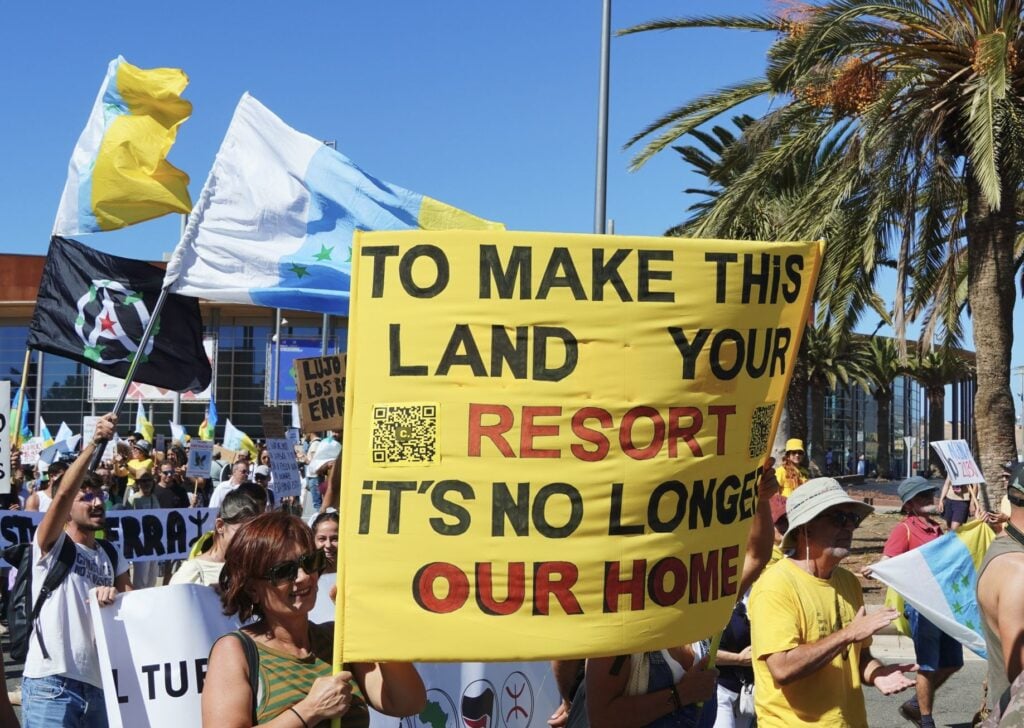
The Problem: The “Limit Reached” Revolt Spring is usually prime time for the Canaries, but residents have officially had enough. Large-scale protests have erupted across the islands under the slogan “The Canaries have a limit,” reflecting strong anti-tourism sentiment due to housing crises.
The government in Tenerife has responded by strictly enforcing a new eco-tax for non-residents visiting Teide National Park, with fees reaching up to €25 for certain hikes. Walking into a destination where locals are actively protesting your presence—and charging you extra for the privilege—is not the relaxing break you want.
- Instead, consider: The Azores, Portugal. If you want dramatic volcanic landscapes and island vibes in the Atlantic, the Azores are the superior choice for 2026. They are leaders in sustainable tourism, forcing you to slow down and enjoy nature without the mass-tourism friction.
Choosing the right destination is the ultimate travel hack. Before you book your smart alternative, run our essential 1-Minute Trip Check to instantly verify all current entry requirements and travel advisories for your vacation! Also, be sure to check our Travel Fee Checker to see what other hidden costs might be waiting for you.
Subscribe To Our Latest Posts
Enter your email address to subscribe to Travel Off Path’s latest breaking travel news, straight to your inbox.