Are movies okay? It’s the question many have been asking this year—and the concern has only grown since the news broke earlier this month that Netflix, famously dismissive of the theatrical experience, would be acquiring the legendary Hollywood studio Warner Bros., which this year distributed a whopping eight films that topped the opening-weekend box office. (A number of those were also critical successes, including Sinners, F1, Weapons, and One Battle After Another.) Many have predicted the move to augur the final blow to moviegoing as we know it.
That would be a real shame because—cue Nicole Kidman—all movies play best on a huge screen with immersive sound. In this age of constant multitasking—dozens of tabs open, screens split into ever-smaller panes, smartphones always nearby—cinemas offer the rare space that commands focus. Laughing, gasping, crying with fellow moviegoers amplifies the emotional impact. We come to this place for magic—not just to be entertained, but somehow reborn, together. Home viewing just cannot replicate these experiences.
However, as someone who watches movies as part of my job (I’ve logged 220 films this year and counting, with many screened in theaters), I find the moviegoing experience has become less than ideal. I firmly believe many people no longer know how to act in theaters (and indeed most public and many private settings). I have observed some truly egregious moviegoing behavior: noisily eating a fragrant sandwich during the funeral scene in Till; translating Gladiator 2 line by line to your partner in another language during the movie (actually kind of sweet if you think about it, but very distracting nonetheless); the guy who kept leaning over to tell his family to pay attention before every big twist at the Se7en rerelease—and filming every iconic scene for social media.
It’s enough to put a person off theaters entirely. Add in record-high ticket prices, shrinking theatrical windows, increasingly longer movies, and a stunning string of summer releases that simply failed to pique the interest of audiences, and it’s easy to understand why box-office revenue and attendance numbers remain significantly down from pre-pandemic levels.

Photo: Courtesy of Metro Private Cinema
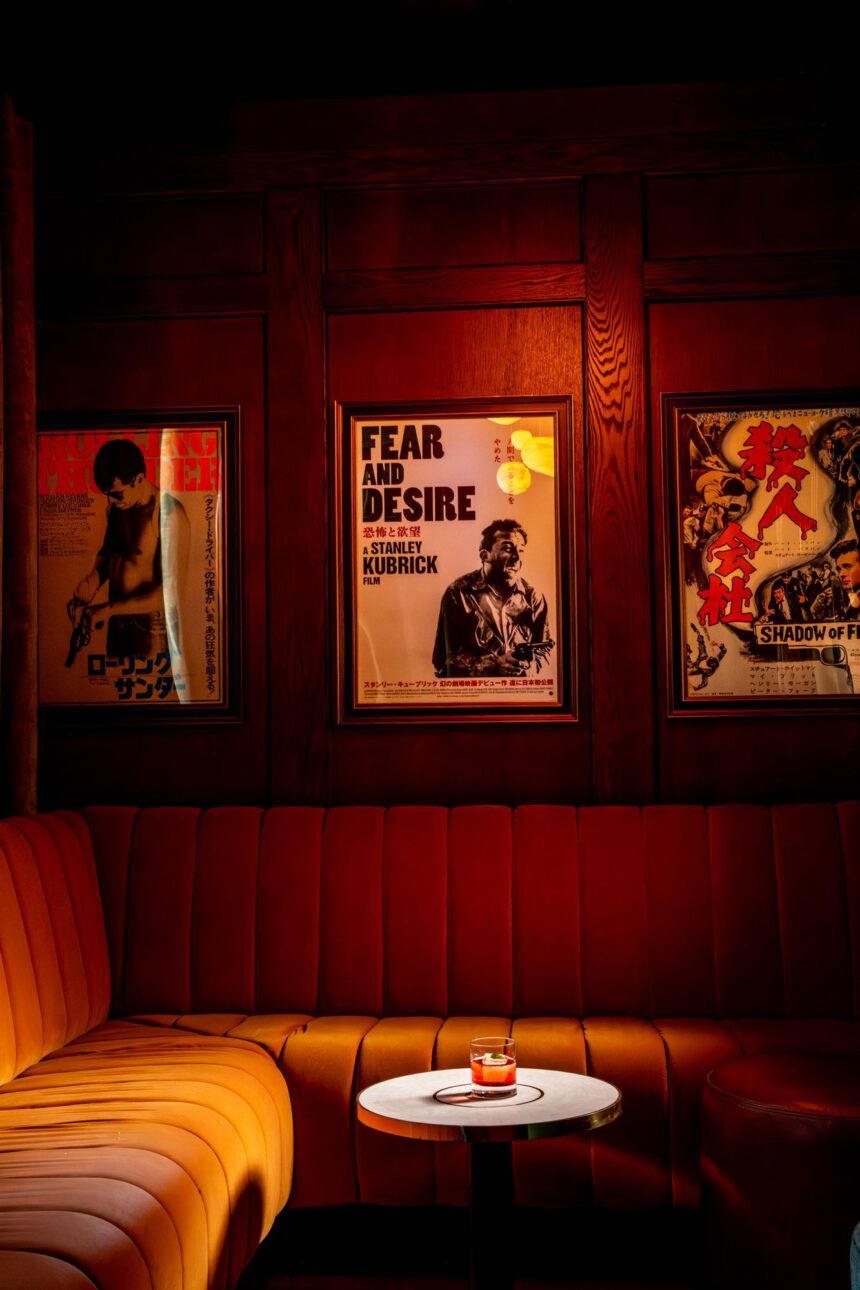
Enter Metro Private Cinema, a new enterprise to lure moviegoers back with a more bespoke, sophisticated experience. Founded by Tim League (who, in 1997, started Alamo Drafthouse), it opened at the end of October in Chelsea with 20 uniquely designed screening rooms seating four to 20 guests. Groups book the entire room to enjoy a catered meal, drinks, and snacks and watch anything they choose: Metro offers a curated selection of new releases and classics, but given enough advance notice, they can show virtually anything you want to watch. (Broadcast events like the Oscars and sports are on the table; at least one group has watched a wedding video.) Each suite features a wall-to-wall movie screen, impeccable projection, state-of-the-art cinema surround sound, motorized recliners, plush loveseats, a dining-table set, and personalized service.