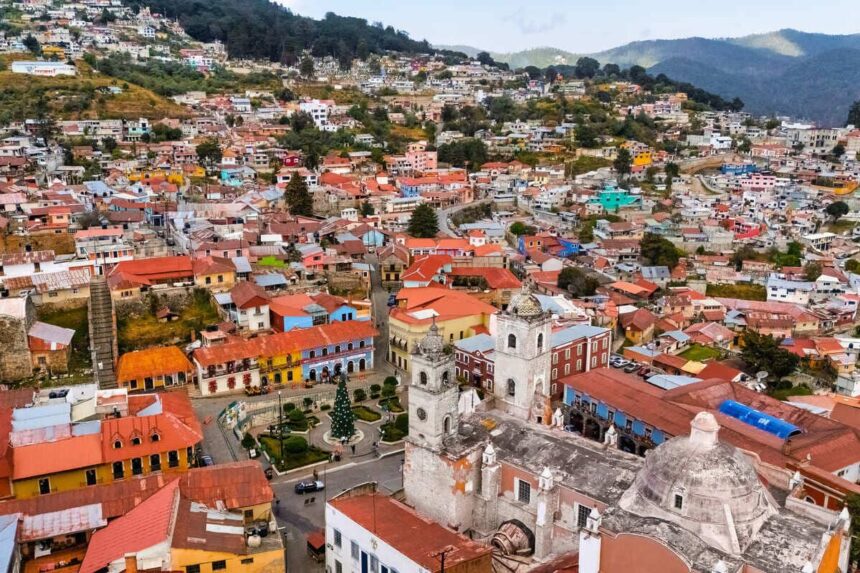
Forget San Miguel de Allende. This winter, travelers are trading the crowded cobblestones for a misty mountain town that feels more like Europe than Mexico.
Mexico is famous for its colonial magic, but there is one historic gem that remains criminally overlooked. It isn’t just another Spanish colonial town—it is a bizarre and beautiful historical anomaly known as Mexico’s “Little Cornwall.”
It’s affordable, it’s historic, and it’s unlike anywhere else in Latin America.
Welcome to Real del Monte.
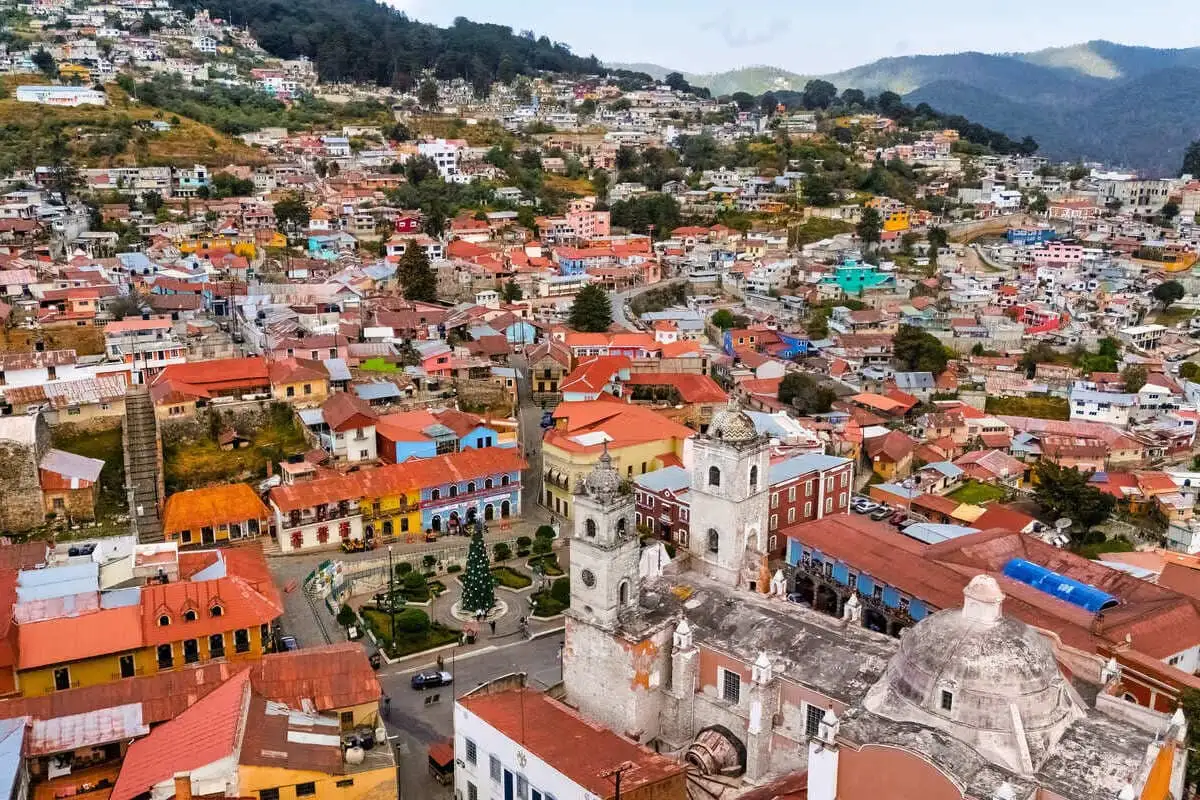
Real de Monte Is One Of Mexico’s Best-Kept Secrets
A mountain town in the state of Hidalgo, Real del Monte is rarely ever brought up alongside San Miguel de Allende, Oaxaca, and Merida as far as colonial gems of Mexico are concerned, but it 100% deserves a seat at the table.
Officially designated a Pueblo Mágico, a status conferred by Mexico’s Secretary of Tourism upon destinations that are historically, culturally, or aesthetically relevant, it is known not for a blend of Mexican and Spanish heritage, as is the case usually here, but British.
You read that right.
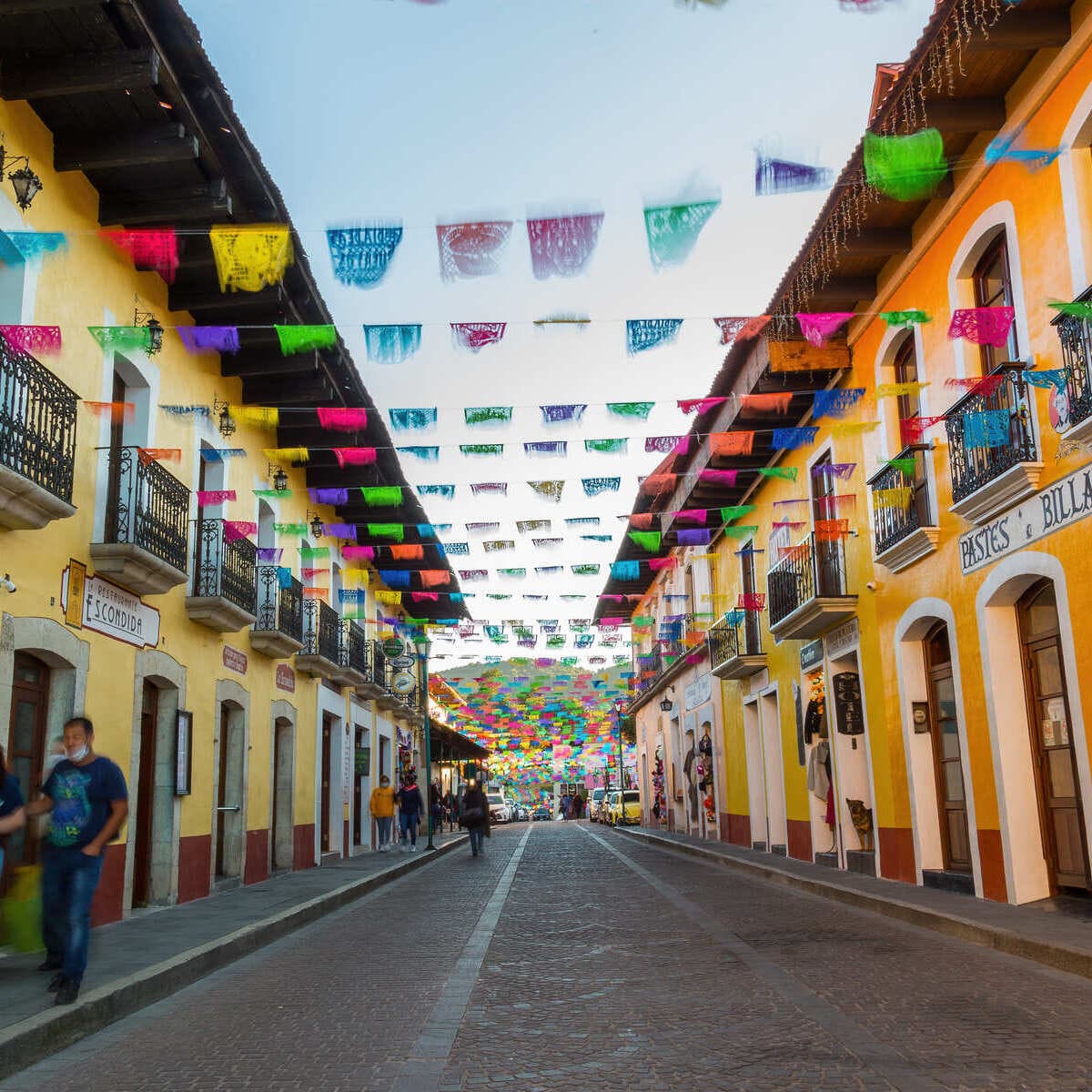
Though the local architecture is primarily Spanish-colonial, owing to its founding by Iberian settlers in the 16th century, Real del Monte truly flourished as a silver mining center in the 19th century, when thousands of Cornish miners came from England to work in the town.
They brought with them their culture, steep roofs and chimneys, which were quickly incorporated into the town’s Spanish-esque skyline, and even Cornish pastries: Real del Monte’s signature pasty is a Cornish butty, except it’s filled with typically-Mexican ingredients like mole, spicy beans and chilli.
Colonial Gems Galore
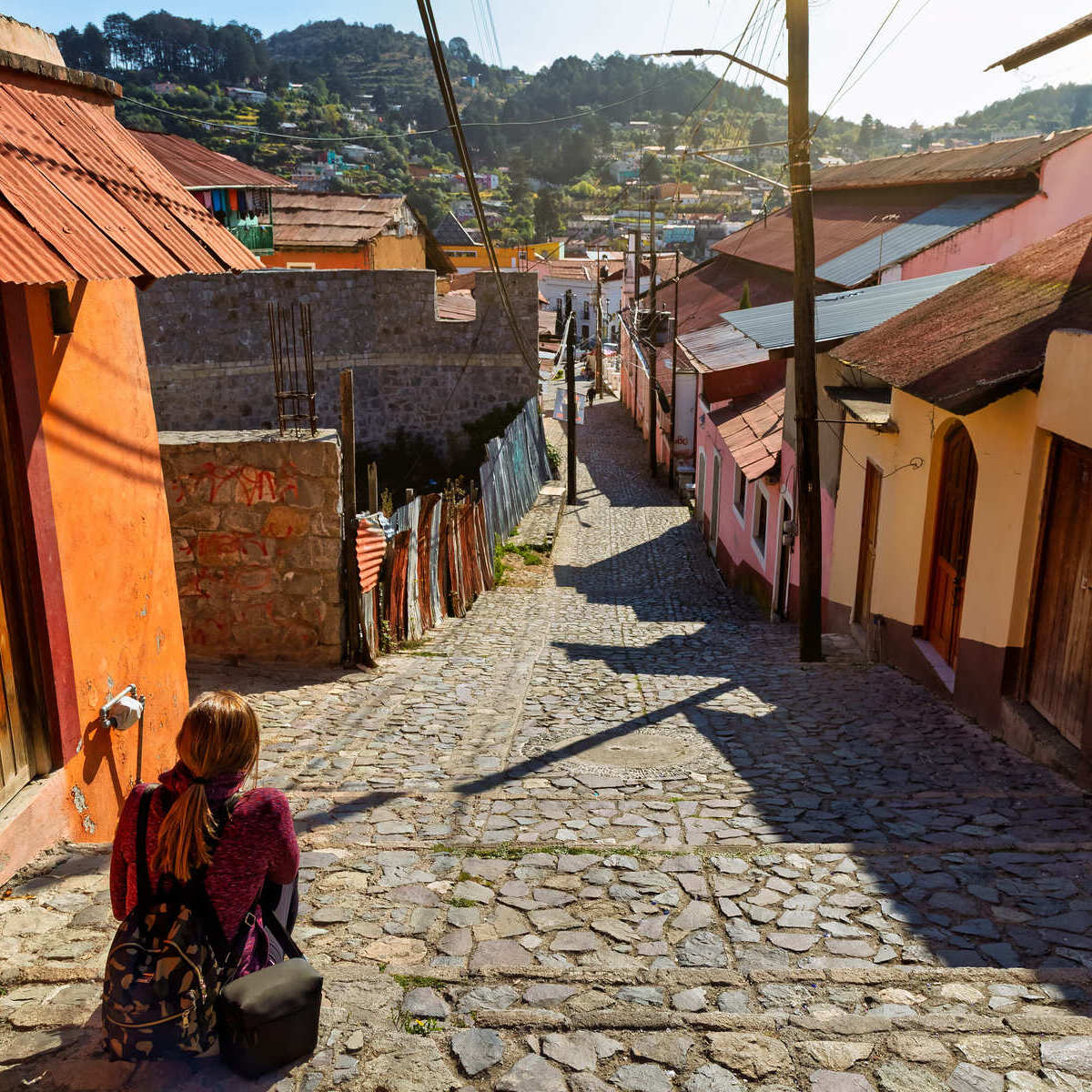
Needless to say, Real del Monte is one of Mexico’s most unique colonial settlements.
If we’re talking landmarks, Mina de Acosta, where most of the silver mining took place, is likely the most visited site and the one spot you shouldn’t miss if you’re taking a detour to Hidalgo to visit, but then there’s an entire cobble-paved Historic Center to explore.
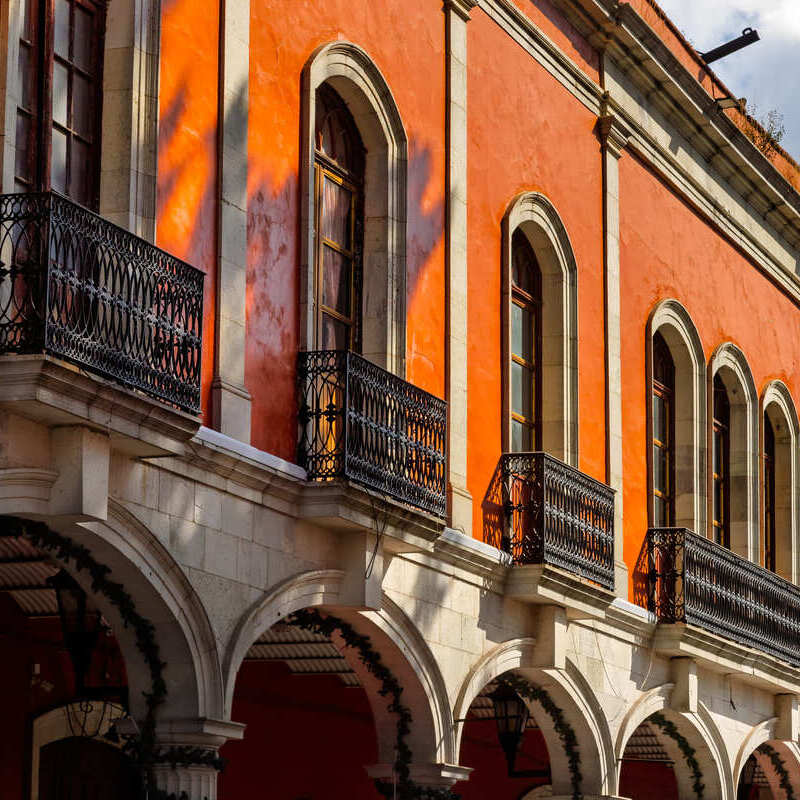
Oh, and guess what: it’s dotted with beautiful edifices.
Casa Grande is a 16th-century signorial house, and probably the most prominent historic structure in town, with grand interiors and timeless furnishings. It now houses a regional museum covering Real del Monte’s early history.
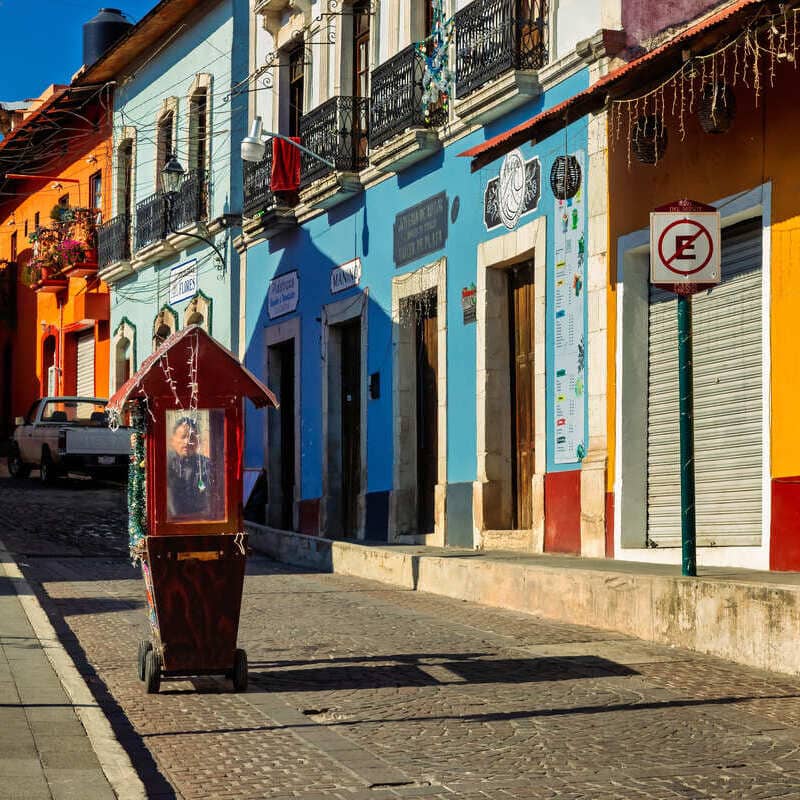
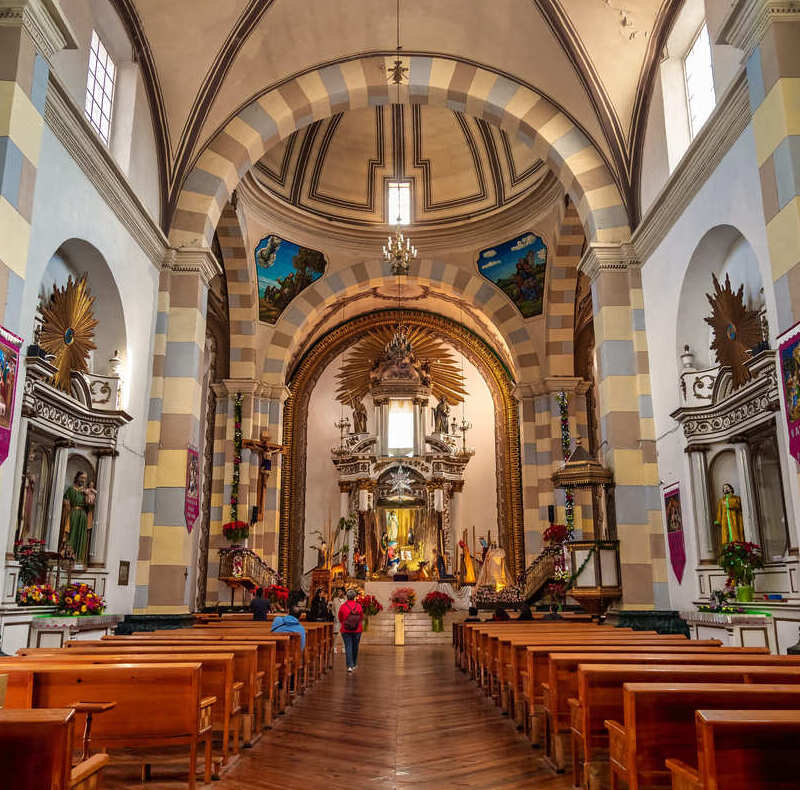
A short walk from Casa Grande, the Nuestra Señora de la Asunción is a parish church towering over a quaint main plaza, and eerie as it may be, the hillside, Victorian-style English Cemetery, or Panteón Inglés, is a major highlight.
Oh, here’s a little random fun fact for you: given Real del Monte’s strong English influences, it’s only fitting that the first soccer match in Mexico was played in the town in 1898.
Real de Monte Is Hugely Affordable
Other than the fascinating Anglo-Hispanic-Mexican heritage it boasts, Real del Monte is incredibly affordable by Mexican standards.
We know, Cancun, Los Cabos, Puerto Vallarta, and the like have now been all but dollarized, and cater almost exclusively to high-spending gringos, but bear in mind, Real del Monte is not a resort destination. It is still mostly visited by culture buffs, and Mexican ones, at that.
Foreign visitors are a minority, and this has helped keep gentrification at bay and prices low.
According to Numbeo, a meal at an inexpensive downtown restaurant ranges from $10 to $19.47, while a 3-course dinner for 2 will only set you back $44.50.
As for accommodation, pension hotels and guesthouses range from $43 to $75 on Booking.com, for mid-January dates.
One Of The Safest Cultural Destinations In Mexico
On top of being affordable, Real del Monte is not considered a risky destination by U.S. authorities.
According to the Department of State, the state of Hidalgo constitutes a Level 2 zone. This means Americans are not discouraged from visiting, though they must exercise certain caution due to crime. In general, the advice largely reflects petty theft trends in the area.
Real del Monte is not mentioned in the advisory specifically, but it’s considered very safe, due to a mix of practical and cultural reasons:
- It is a small, tight-knit community of 14,324 people, who know each and protect other, helping ill-intentioned outsiders stand out quickly
- It boasts low economic inequality, and a lower contrast between affluent and poverty-stricken neighborhoods, ensuring greater social cohesion
- It revolves around tourism, yet it remains under the radar for the masses, thus it doesn’t attract criminals: this means less scams and other opportunistic crimes
- It has effective policing, particularly around the Historic Center, where most tourists sojourn, and other culturally-relevant sites

Subscribe To Our Latest Posts
Enter your email address to subscribe to Travel Off Path’s latest breaking travel news, straight to your inbox.