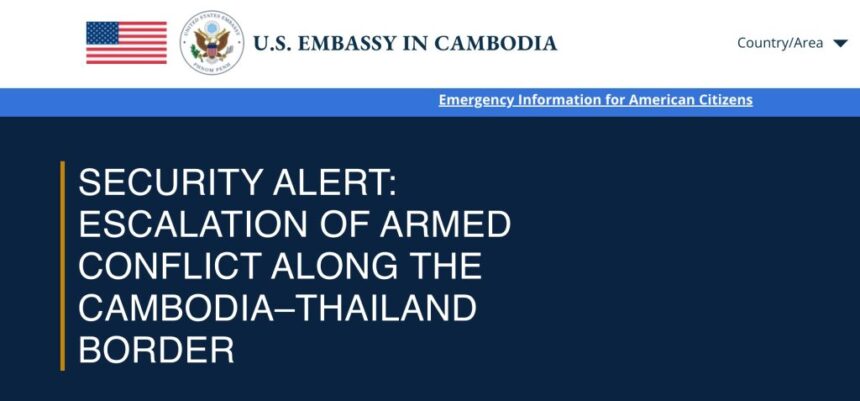
Thailand remains one of the safest destinations in Southeast Asia, but the recent resumption of border clashes with Cambodia has made travel to that area inadvisable.
All areas within roughly 50 kilometers of the Cambodian border are currently subject to advisories due to active armed clashes, artillery fire, and evacuations on both sides of the frontier. This includes border areas of provinces such as Sa Kaeo, Surin, Sisaket, Ubon Ratchathani, Buriram, Chanthaburi, and Trat
LATEST THAILAND-CAMBODIA CONFLICT NEWS UPDATES (December 11):
- Cambodia says Thai fighter jets have launched fresh airstrikes along the contested frontier as both sides trade heavy artillery and rocket fire and accuse each other of violating border sovereignty. Source: iNFOnews.ca
- AP reporting updated within the last few hours says about two dozen people have been killed so far, with Thailand confirming nine soldiers and four civilians dead, Cambodia reporting 11 civilian deaths and 74 wounded, and hundreds of thousands of people displaced on both sides of the border. Source: wdio.com
- New AFP/France 24 coverage describes evacuees in Thai and Cambodian shelters as deeply divided over Donald Trump’s promised mediation, with some hoping he can force a ceasefire and others wary of greater foreign involvement. Source: france24.com
Fighting between Thailand and Cambodia has entered its 4th day, with cross-border shelling and air raids forcing more than 500,000 civilians from both sides of the border to flee their homes and seek shelter, as each government blames the other for reigniting the conflict.
“Civilians have had to evacuate in large numbers due to what we assessed as an imminent threat to their safety,” said Thai Ministry of Defence spokesperson Surasant Kongsiri.
December 10: The Cambodian U.S. Embassy issues a travel alert warning Americans from traveling to the border areas between Thailand and Cambodia.
December 8: U.S. Embassy in Thailand Issues Travel Alert
The U.S. Embassy in Thailand has issued an urgent Security Alert as armed clashes along the Thailand–Cambodia border intensified on December 8, 2025. Americans are urged to avoid all travel within 50 km of the border due to artillery exchanges, small-arms fire, and rapidly deteriorating security conditions.

Thai authorities in Sa Kaeo, Surin, and Sisaket warn residents to stay alert and prepare for possible evacuations, while schools and roads near the frontier face disruptions. Early civilian displacement has been reported. Travelers should monitor official updates, expect restricted access in affected areas, and enroll in STEP for real-time alerts.

Official Travel Advisories
U.S. Travel Advisory for Thailand
The U.S. State Department continues to list Thailand under Level 1: Exercise Normal Precautions.

However, it advises travelers to reconsider travel to the provinces of Yala, Pattani, Narathiwat, and parts of Songkhla due to persistent insurgent activity and civil unrest.
Canada Travel Advisory for Thailand
The Canadian government warns travelers of frequent petty crimes, including:
- Purse snatching
- Pickpocketing
- Theft from bus luggage compartments
Travelers are urged to use reputable transport companies and remain vigilant in crowded tourist areas.
Areas to Avoid in Thailand
Both U.S. and Canadian authorities recommend avoiding:
- Yala
- Pattani
- Narathiwat
- Songkhla (southern districts)
These provinces continue to experience violent separatist conflict and ethnic tensions.
Additionally, due to the newly escalated situation, travelers should avoid all regions bordering Myanmar, Cambodia, and Malaysia, where armed conflict, instability, and landmines pose serious risks.
Northern border districts near Myanmar (e.g., Mae Sot) currently warrant heightened caution.
Common Scams in Thailand
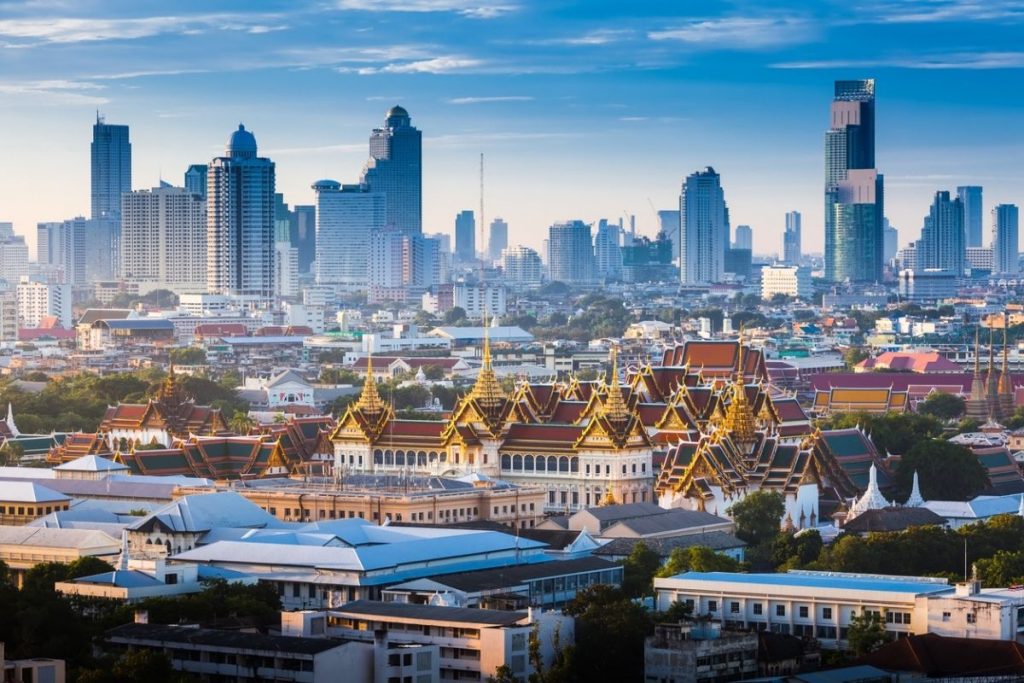
Although Thailand is generally safe, tourist-focused scams are common:
Taxi Overcharging
Taxi drivers may refuse to use the meter and demand inflated prices. If the driver won’t turn on the meter, get another cab.
“Closed Attraction” Trick
Some tuk-tuk or taxi drivers falsely claim your destination is closed, redirecting you to partner shops or gem stores. Politely insist on continuing to your original destination.
Nightlife Scams
Some bars may inflate drink prices or stage fake police raids to extort tourists. Ask for police ID if confronted.
Fake Money Exchange Fees
Unscrupulous currency exchangers may offer inaccurate rates. Check online benchmarks and count money before leaving the counter.
Fake Gemstones
Gem scams are common, especially in Bangkok. Only purchase from reputable, certified dealers.
Tuk-Tuk Scams
Many tuk-tuk drivers refuse to use meters and charge inflated fees. Agree on a final price before the ride begins.
Safety Tips for Thailand
- Do not leave drinks unattended: Drink spiking incidents do occur.
- Avoid showing large amounts of cash: Keep valuables discreet.
- Do not discuss the Thai monarchy: Even unintentional insults can lead to severe legal consequences.
- Avoid red-light districts: Higher risk of theft, drugging, and scams.
- Avoid drug use: Tourists have been set up by dealers demanding bribes.
- Never hand over your passport as collateral: Use rental companies that accept deposits instead.
- Carry backup cash: ATMs may be unreliable or cards can be lost.
- Back up your travel documents: Store originals securely.
- Avoid travel to violence-prone border areas: Especially near Myanmar, Cambodia, and Malaysia.