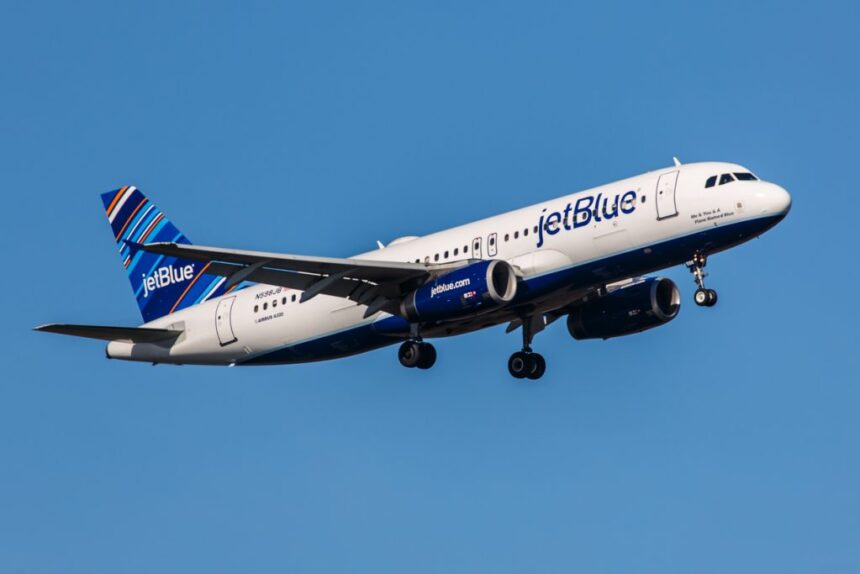
A global software malfunction affecting the Airbus A320 fleet created significant operational disruption for airlines and passengers alike, raising fresh concerns about digital vulnerabilities in modern commercial aviation. The issue, which emerged abruptly, interfered with critical flight-control data, prompting carriers operating A320‑family aircraft to initiate precautionary groundings while engineers deployed corrective patches.
The manufacturer, Airbus Group, confirmed that the majority of impacted aircraft have now received an updated software configuration designed to remove corrupted datasets and restore stability to onboard control systems. Aviation analysts describe the technical anomaly as rare but consequential, underscoring the industry’s accelerating dependence on aviation software ecosystems to manage, authenticate, and execute real-time flight telemetry.
Despite the rapid restoration progress, residual challenges remain. Several U.S.-based carriers continue to contend with a limited number of temporarily grounded aircraft pending final software validation and clearance for return to service. Airlines, including JetBlue, reported prolonged weekend scheduling impacts while managing fleet rotations during peak seasonal demand. Similarly, the Fort Worth-based American Airlines Group acknowledged that isolated operational delays may persist as aircraft testing pipelines complete required resets and certification workflows.
The incident coincides with record post-holiday passenger throughput, magnifying consumer visibility into the disruption. Industry experts caution that while safety redundancies functioned as intended, the event signals a broader strategic imperative for software-assurance infrastructure across U.S. and international airlines.
As aircraft gradually resume service, passenger networks are returning to schedule reliability. Still, the incident is expected to influence aviation policy discussions regarding systemic aviation-software resilience, contingency planning, and technical-risk visibility to commercial aviation customers.
Sources:
- Reuters Travel
- AirlineGeeks
- CBS News Travel