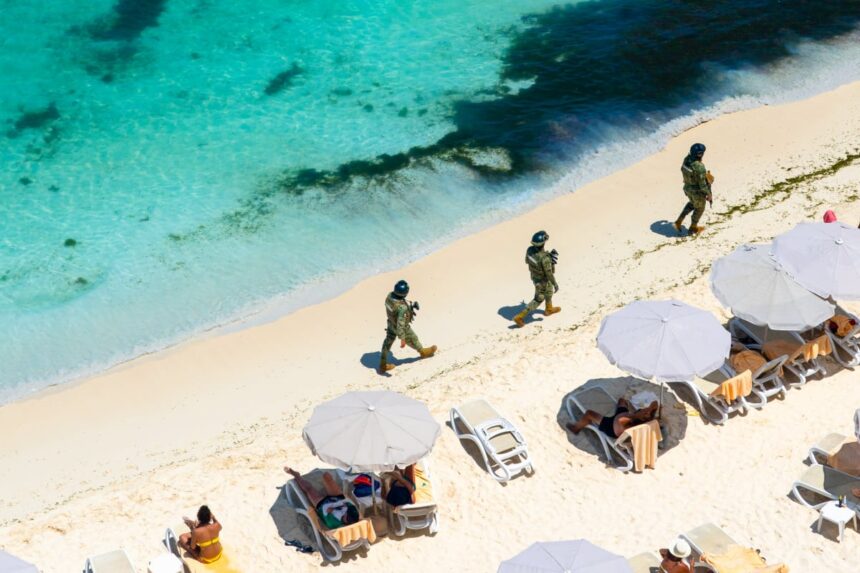
Landing in Cancun this winter? Expect to see a massive show of force. Authorities have deployed 7,000 troops to the Riviera Maya—here is how it affects your vacation.
We at Travel Off Path have been tracking this for a while, especially after 400 new police officers with body cameras were added to Cancun’s force earlier this season. The big question for travelers is simple: does this make your trip feel safer… or more stressful?
Let’s break down what’s actually happening and how to use this security surge to your advantage.
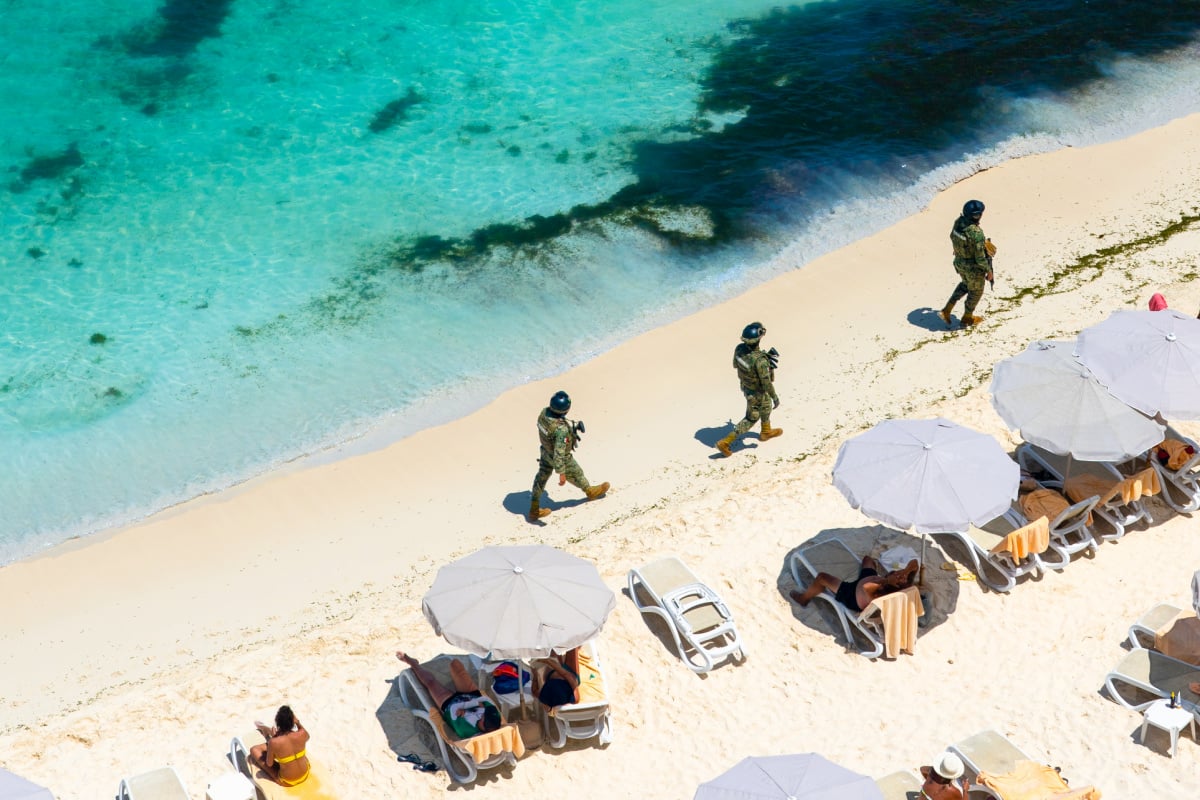
What This 7,000-Person Operation Really Is
Local officials describe this as a coordinated, statewide holiday security plan covering Cancun, Playa del Carmen, Tulum, Costa Mujeres, Cozumel, and the main highway corridors that connect them.
A few key points:
- Personnel come from state and municipal police plus federal forces (National Guard, army, and navy).
- The focus is on tourist zones, commercial areas, beaches, bus stations, and highways, especially during the busy Christmas–New Year window.
- It’s layered on top of earlier upgrades like more patrol vehicles, hundreds of new CCTV cameras, and expanded body-cam use in Cancun.
In other words, this isn’t a random show of force. It’s part of a broader push to keep Mexico’s busiest beach region aligned with its Level 2 – “Exercise Increased Caution” status in U.S. travel advisories, rather than slipping into higher-risk categories.
What You’ll Actually See In Cancun, Playa & Tulum
On the ground, most visitors will notice things like:
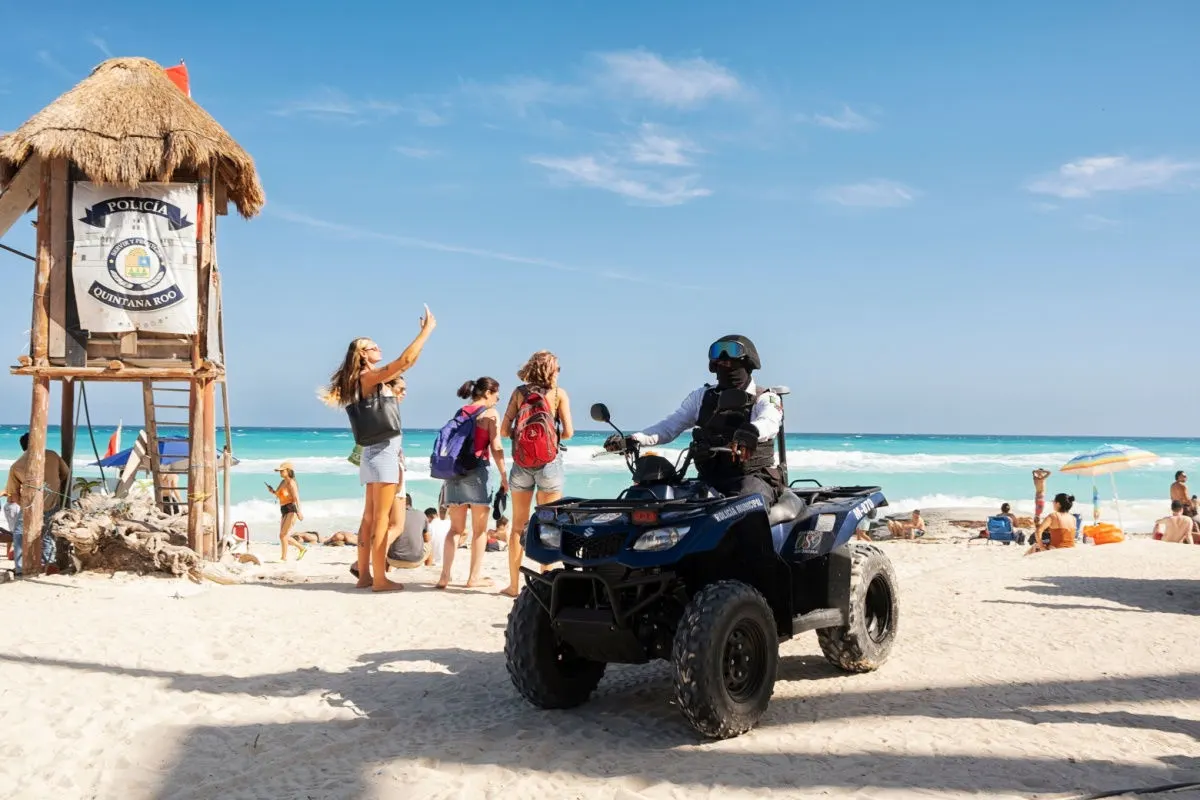
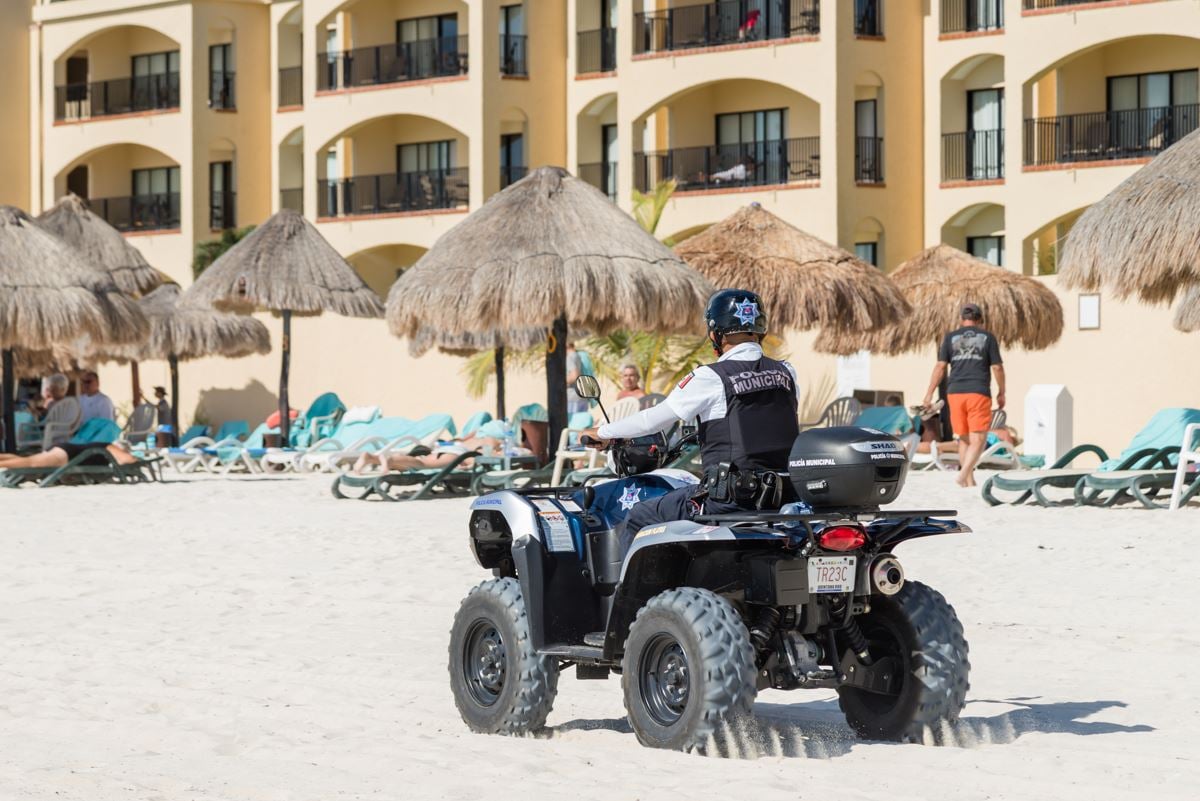
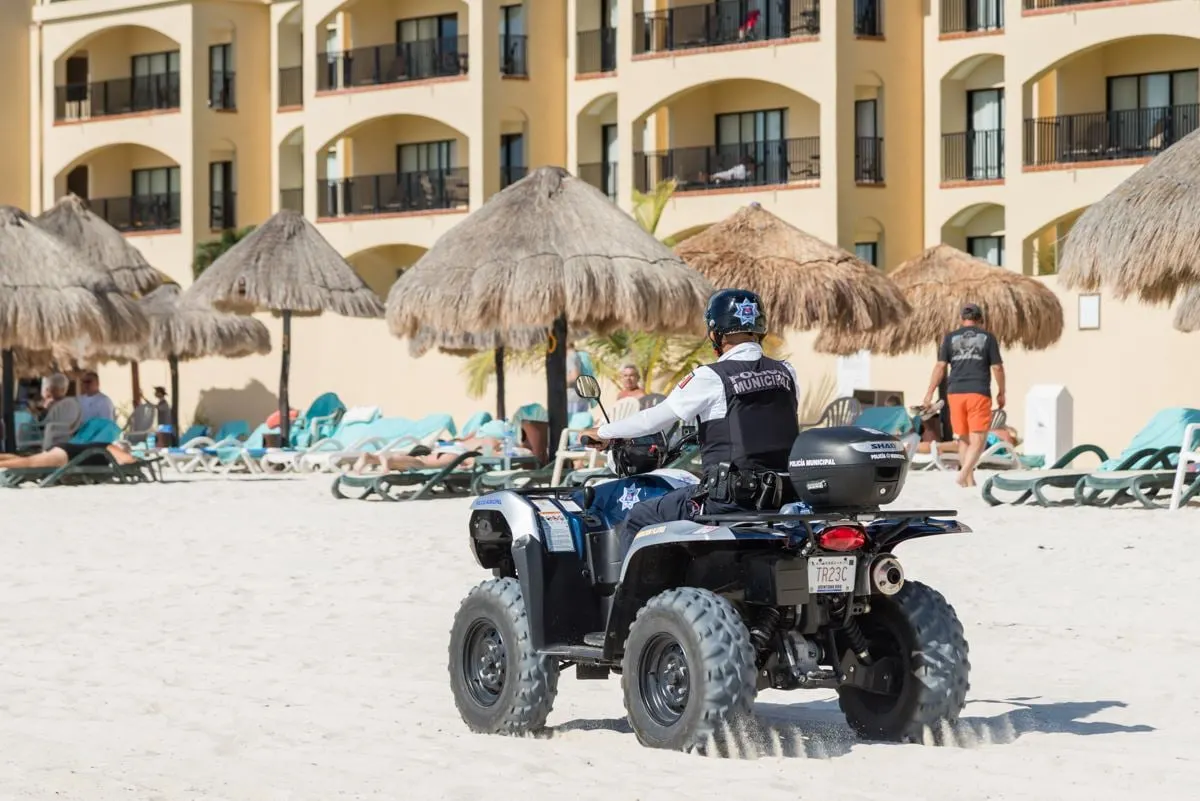
- More patrols in the Hotel Zone and 5th Avenue-style strips – officers on foot, in trucks, and sometimes on ATVs near nightlife spots and big shopping areas.
- Uniformed presence on popular beaches – especially in spots that have seen past issues or heavy crowds, such as Cancun’s Gaviota Azul or central beaches in Playa del Carmen.
- Checkpoints on main roads between Cancun, the airport, Playa del Carmen, and Tulum, particularly at night. These are usually quick visual inspections.
For many travelers, the first instinct is: “If there are this many police and soldiers, is it even safe to be here?”
Counterintuitively, this kind of operation is often a reassuring sign. The government is actively trying to deter crime, manage crowds, and keep the tourist machine running – especially in destinations that rely heavily on international visitors.
If you’d rather base your choice on numbers, we’ve already broken down why Playa del Carmen currently ranks as one of the safest destinations on Mexico’s Caribbean coast, thanks to drops in key crime indicators and heavy investment in security.
Airport & Transfer Experience: What Changes For You
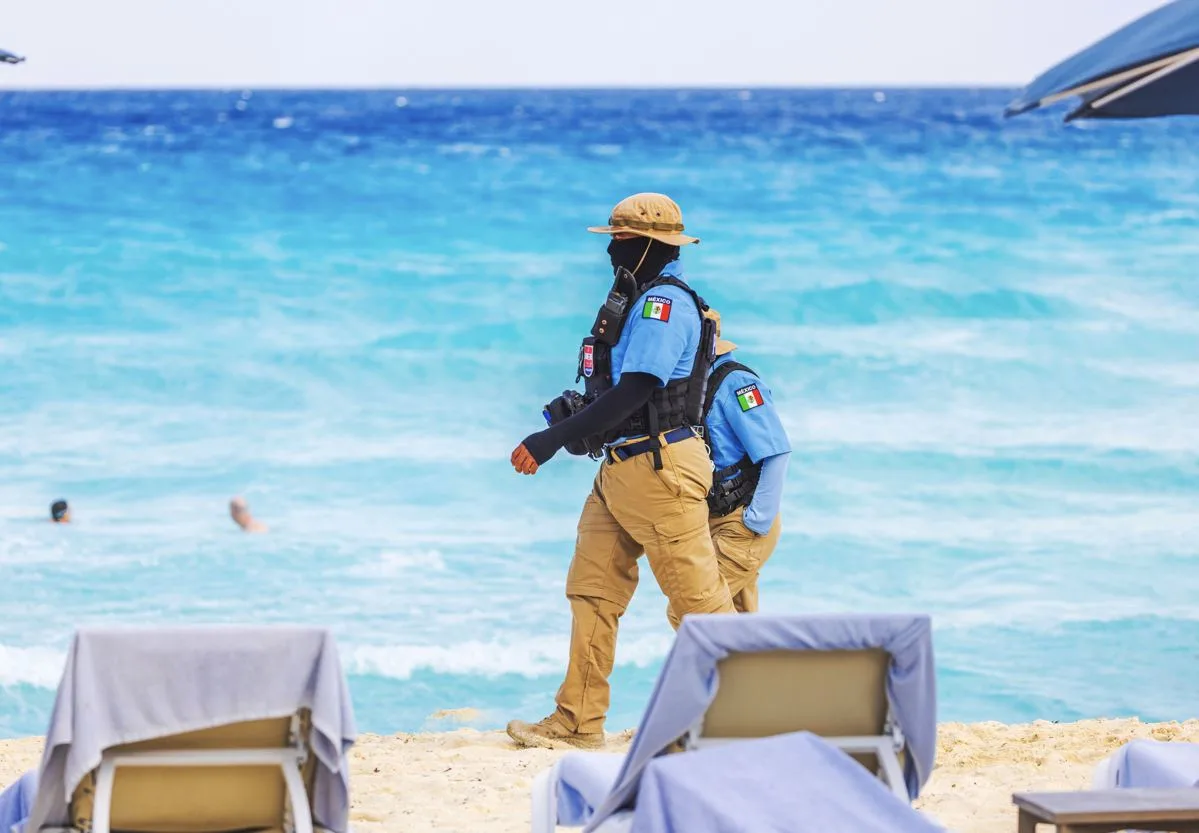
At Cancun International Airport (CUN), seeing National Guard or police in the terminals is already normal. The new deployment doesn’t radically change your arrival, but it can amplify existing bottlenecks during holiday peaks.
Here’s what to expect:
- Crowded terminals + extra security = slower flow. Our readers already know winter Saturdays can be chaos at CUN, and additional patrols don’t speed that up. Planning your flights outside the biggest arrival waves (especially Saturday midday) still pays off.
- More visible checks around ground transportation. Officials and police are increasingly cracking down on unlicensed taxis and sketchy drivers, something we’ve covered repeatedly when talking about safety and scams in Mexico.
- Occasional roadside stops on the way to your resort. The U.S. Embassy has explicitly reminded travelers not to panic about checkpoints; being asked to stop and answer a couple of basic questions is standard in many parts of Mexico.
As long as your documents are in order and you’re using legit transportation, these checkpoints are usually quick and uneventful.
How To Use The Security Surge To Your Advantage
The 7,000-person deployment doesn’t replace common sense – it just gives you more backup. A few easy habits go a long way:
1. Stick to authorized transport
Skip random guys offering rides outside the airport or clubs. Use your hotel-booked transfer, reputable shuttle companies, or approved taxis and rideshares. This lines up with our earlier advice for Mexico trips and recent U.S. Embassy guidance.
2. Treat checkpoints as routine, not dramatic
If you’re stopped:
- Roll down the window
- Take off sunglasses
- Answer short, polite questions
This is exactly the type of “don’t panic, just be prepared to stop” interaction we’ve highlighted in our Mexico safety tips.
3. Respect the ocean and beach flags
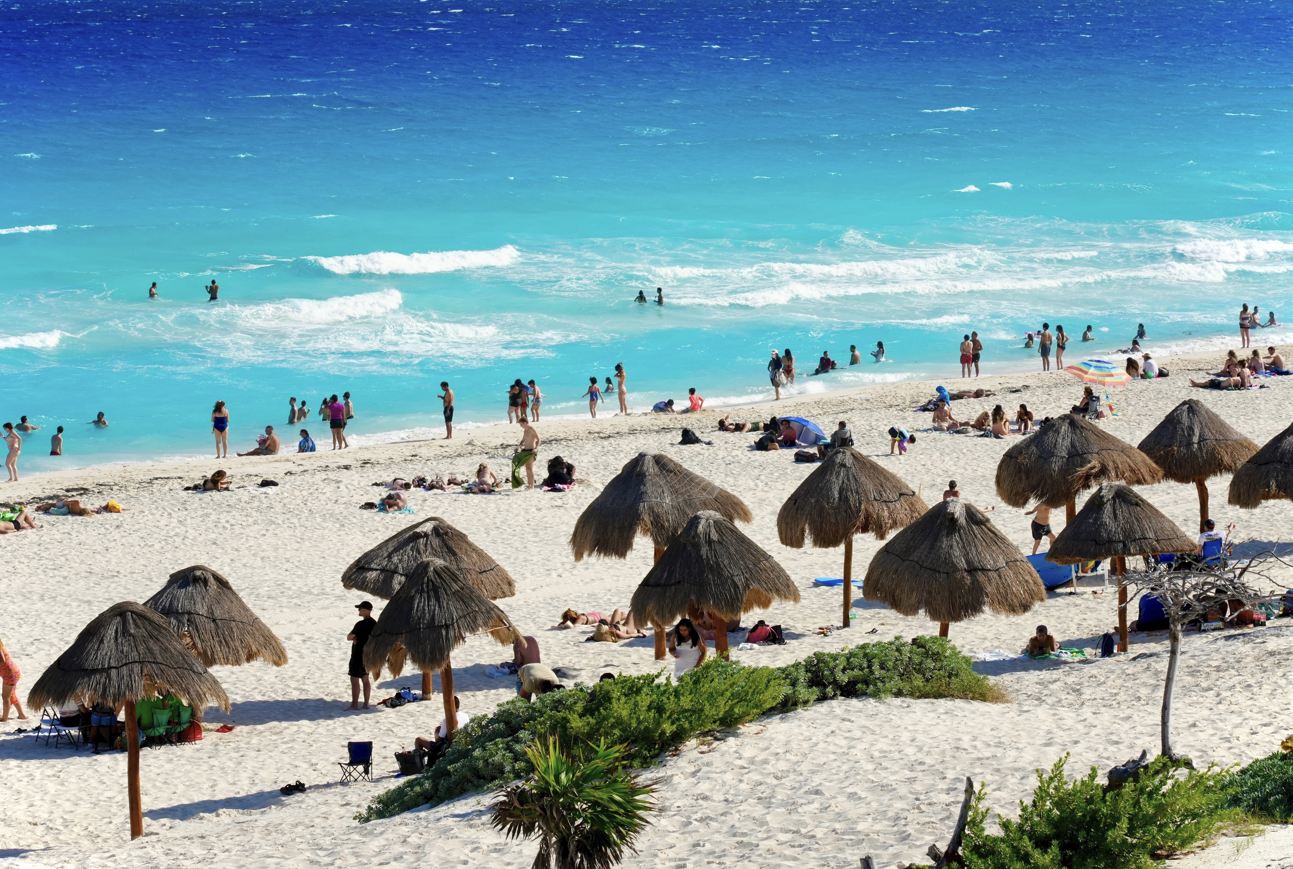
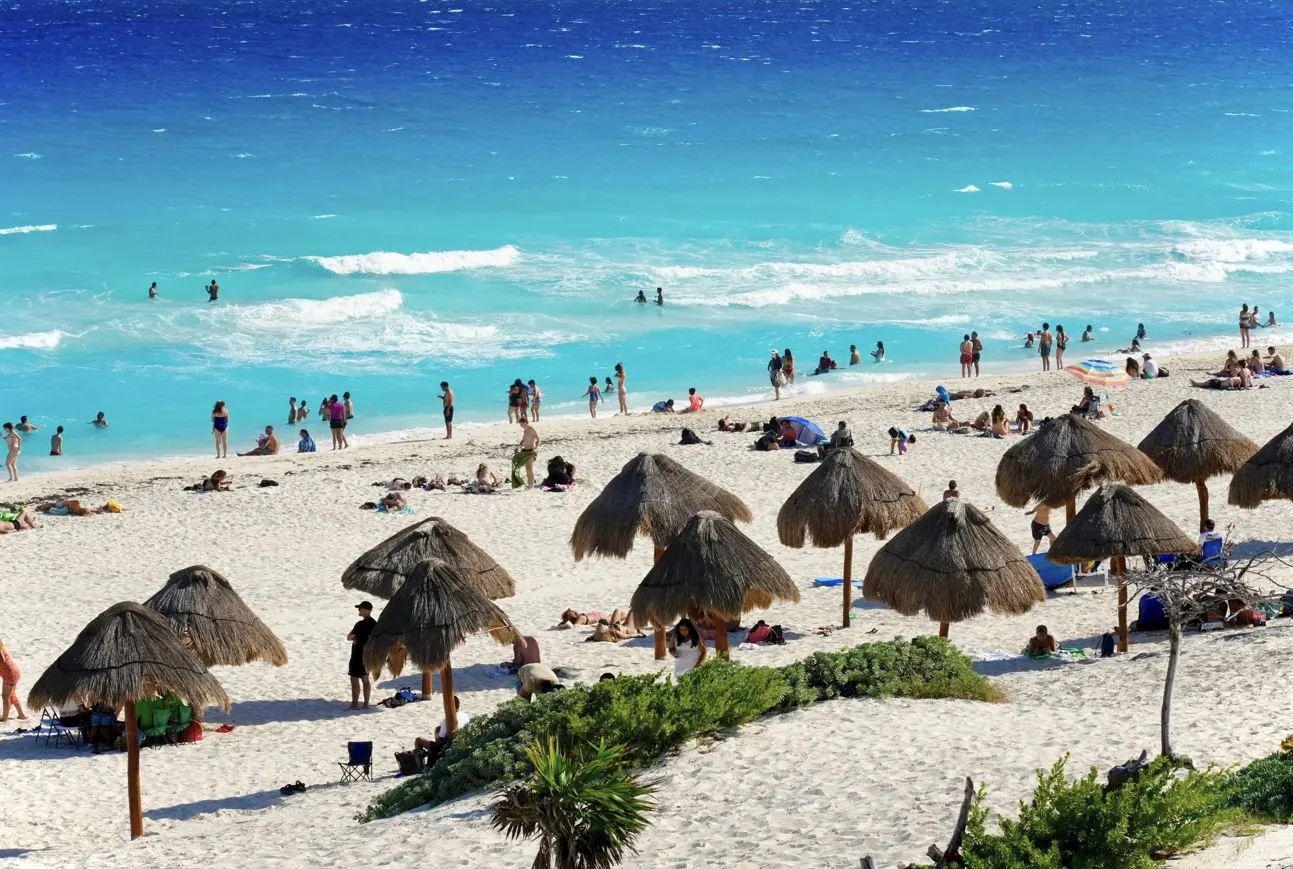
Security on land doesn’t change the power of the sea. Officials have already warned visitors to be extra cautious on Cancun beaches after multiple serious incidents this year, and we’ve broken down what the red, yellow, black, and white flags actually mean.
4. Choose where you go after dark
The advisory for Quintana Roo still recommends extra caution in downtown areas at night. That doesn’t mean you can’t go – it means stick to busy, well-lit streets and established venues, not dark back roads or random house parties.
5. Keep your profile low-key
Leave flashy jewelry in the safe, spread out your cash and cards, and be extra mindful at ATMs or crowded bus stops. These are the same “smart traveler” basics we share anytime we cover Mexico safety.
Bottom Line
Yes, you’ll probably see more uniforms on your winter trip to Cancun and the Riviera Maya. But for most travelers, that will translate into:
- A more visible sense of order in busy tourist zones
- Faster responses if something does go wrong
- Extra eyes on the beaches, nightlife areas, and highways you’re already using
Mexico’s Caribbean coast is still one of the most popular winter escapes for Americans, and current advisories continue to list Cancun, Playa del Carmen, and Tulum at Level 2 – increased caution, not “do not travel.”
Plan smart, follow the simple safety habits we’ve linked above, and you can let the troops and police worry about security while you focus on the fun stuff – like deciding whether your next stop is tacos al pastor… or a cenote swim.
Subscribe To Our Latest Posts
Enter your email address to subscribe to Travel Off Path’s latest breaking travel news, straight to your inbox.