Spain is one of the most visited countries in the world, especially by Americans. In fact, it goes toe to toe with France every year to decide which one of the two will be crowned King of Tourism.
Last year, the gap between both powerhouses was narrower than ever, with Spain recording 96.8 million visitors, while France logged in 102 million.
Spain is home to iconic destinations like Madrid, Barcelona, Ibiza, and Mallorca (to name a few), so it’s hardly a surprise it’s closing in on the frog-eaters—still, we’d argue the country’s usual tourism hotspots are far from the most rewarding it has in store.
Even if you’ve never been to Barça, you can probably picture La Sagrada Família or the colorful, sculpted benches of Park Güell. The same goes for Madrid’s elegant Gran Vía or El Retiro Park: not everyone has visited, but even a casual traveler can recognize ’em.
We’re not here to cover all the flogged-to-death, overcrowded Spanish destinations. We’re called Travel Off Path, for heaven’s sake. Leave those for the overhyped mainstream publications that can’t tell hidden gem from gritty urban hub.
Remember the recent Marseille fiasco?
If you’re craving some out-of-the-ordinary, crowd-free, authentic Iberian getaway, here are 5 truly-unique, bucket-list Spain destinations everyone should visit at least once.
A Coruña
Straddling the North Atlantic, in one of the westernmost fringes of Spain, A Coruña is a vibrant port city characterized by its glassed-in, white-painted façades, narrow alleys leading to arcade-flanked plazas, and ancient Roman heritage.
Without the usual crowds, it’s unlikely your annoying neighbor—who thinks they’re well-traveled because they’ve beach-hopped around Mallorca and had a pain au chocolat in Paris once—has been.
A Coruña’s beating heart is the stately Praza de María Pita, a large square named after a local female hero who stood up to an English Armada. Paved in pale stone, and dominated by an ornate City Hall topped with towers and a clock, it’s nothing short of a stunner.


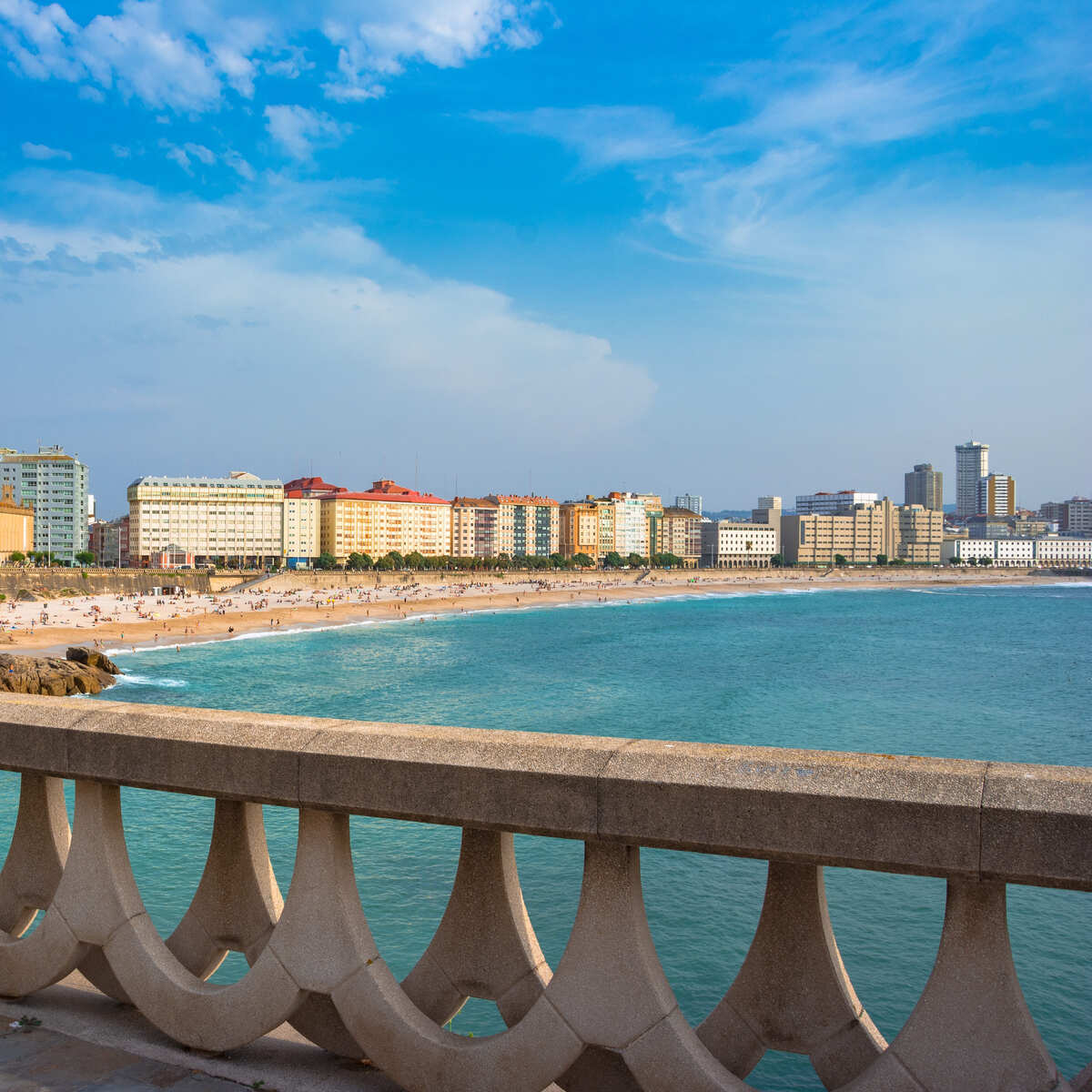
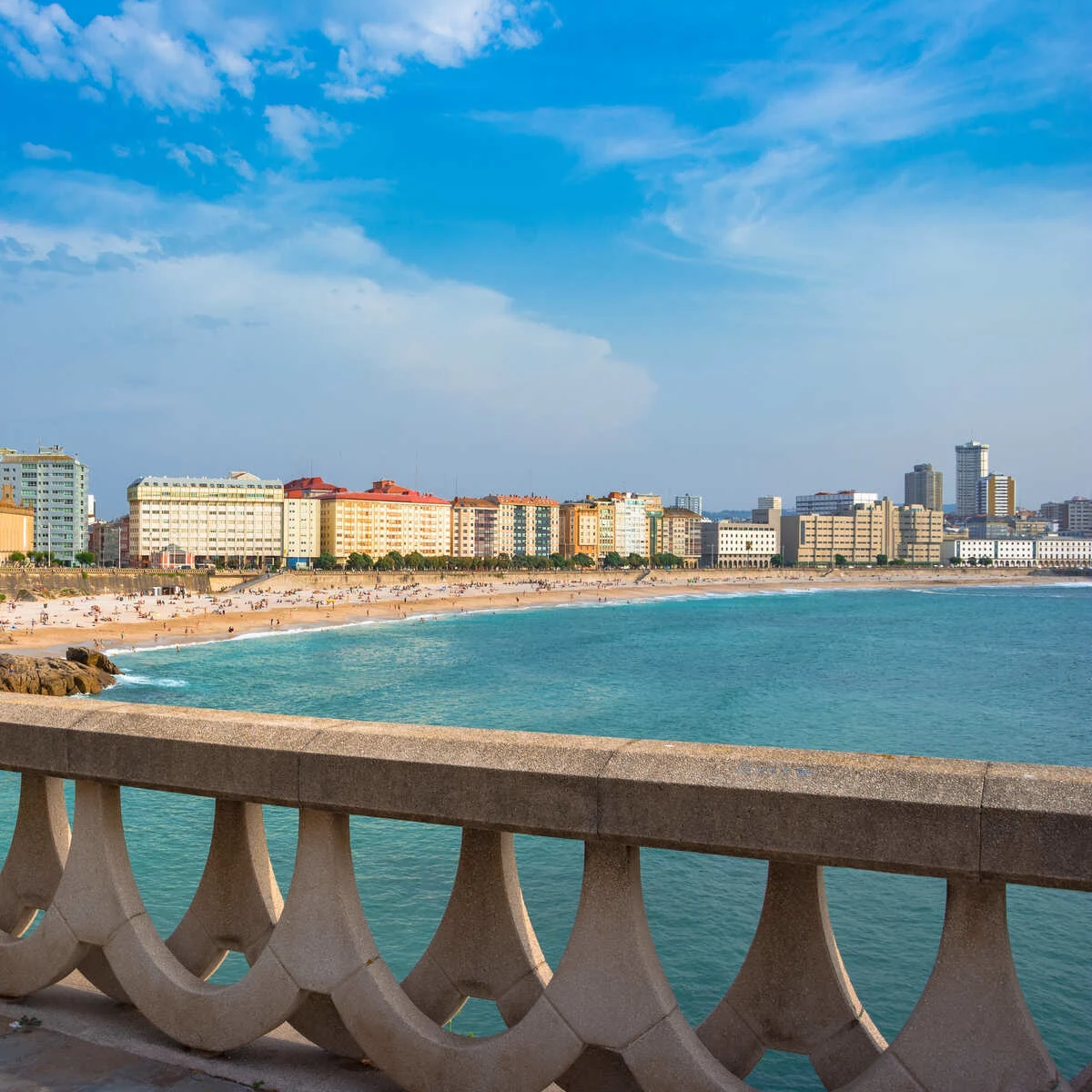
Barcelona may have the trendy La Barceloneta, but A Coruña’s seafood tavern-backed Riazor Beach leaves nothing to be desired: stretching along the city’s western edge, right beside the downtown area, it’s a long sandy crescent facing the ocean, with a scenic promenade running its entire length.
Looking for the most impressive sight in town?
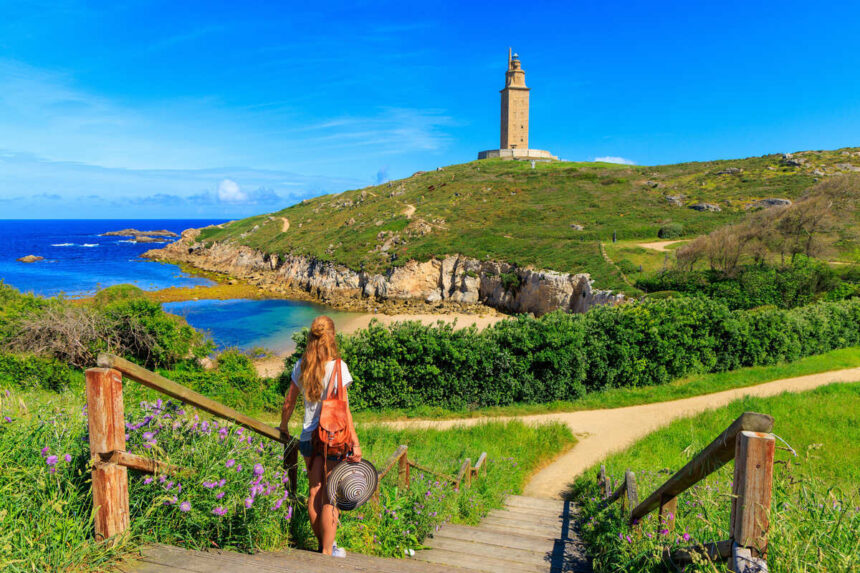
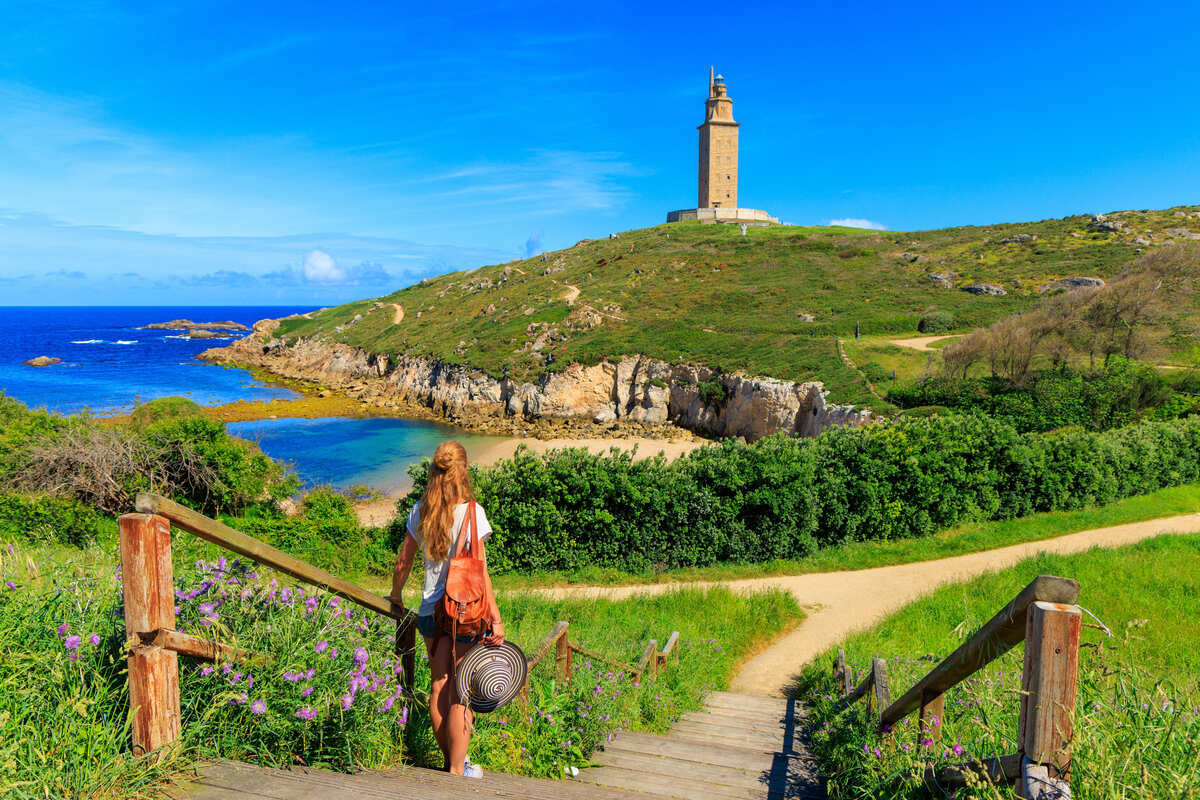
Just a half-hour coastal stroll away from the center, the Tower of Hercules is the world’s oldest working Roman lighthouse, dating back to the 1st century AD. Perched on wind-whipped cliffs amid wild Atlantic beaches, it’s Old World magic personified.


The Vibe: chill port city with an ancient flair
Perfect For: breathing in the fresh sea breeze and taking in the historic sights without rushing
The ‘Don’t Miss’ Experiences:
- Praza de María Pita: landmark plaza bordered by historic buildings and traditional eateries
- Tower of Hercules: Ancient Roman lighthouse still in operation
Menorca


Even if you’ve never set foot in Spain, bet you’re familiar with Mallorca’s turquoise calas, fortress-like Gothic cathedral, and epic party scene. What if we told you it has a smaller, less-famous sister island where the seas are even clearer, coastal villages are more peaceful, and the vibes are just way more chill?
Menorca is that much-needed breath of fresh air in the middle of your hectic Spanish summer.
Featuring one of the largest harbors in the world and a medieval core, Mahón is the unassuming local capital—think more quaint small town—peppered with traditional tapas bars and hole-in-the-wall gin distilleries.


The island’s cultural gem, Ciutadella boasts a partially-walled Old Town with winding stone streets, a string of Baroque palaces with sculpted stonework and wrought-iron balconies, and a cathedral square ringed by cafés that just scream Europe.
Beyond the manmade treasures, Mallorca’s greatest triumph is its unspoiled Mediterranean nature: large parts of the island are protected as a UNESCO Biosphere Reserve, and this has helped keep construction and crowds lower.
In other words, fewer Magaluf-style, larger-than-life resorts and entertainment strips, more quieter villages and tiny turquoise bays that have not been overtaken by Russian billionaires and their mega-yachts.


The Vibe: laid-back Mediterranean island escape
Perfect For: beach-hopping and enjoying the Spanish summer away from the Mallorca crowds
The ‘Don’t Miss’ Experiences:
- Ciutadella: fortified coastal town largely-preserved from the Middle Ages
- Cala Mitjana: small scenic beach fed by crystal-clear waters
El Hierro


We can’t resist a remote Spanish island getaway few tourists venture out to, with zero all-inclusive resort strips in sight.
The Canaries—a Spanish archipelago off the coast of West Africa—aren’t an easy Transatlantic hop for most, but Gran Canaria and Tenerife lure Europeans in winter and spring like Cancun draws in Americans. Mild weather, year-round sunshine, packaged holidays and all that.
That duo draws beer-buff, rowdy crowds, but a serene El Hierro is tailor-made for quieter, more intimate escapes.
Picture UNESCO-listed laurel forests, volcanic landscapes sprinkled with hot springs, a rugged coastline interspersed with millennia-old lava-formed natural pools, and a hilly hinterland hosting family-owned vineyards.


If you’re flying to the island from Gran Canaria or Tenerife–North—the only two hubs offering flights to El Hierro, by the way—chances are the island’s inland capital, the charming Valverde, is your first port of call.
Valverde is where you go for cute pedestrianized streets, local shops, and romantic plazas ringed by colonial-style churches.
When it comes to El Hierro’s untamed volcanic nature, however, Mirador de la Peña is that epic, mountaintop viewpoint with breathtaking Atlantic views you’re looking for. El Sabinar, on the other hand, is the postcard-ready cluster of gnarled juniper trees by the sea.
Any water babes out here? La Restinga is the place to go: a fishing village right next to a diving spot with volcanic waters, it’s pure Canarian bliss.


The Vibe: remote volcanic retreat in the middle of the Atlantic
Perfect For: slowing down, sipping wine and sinking into a natural hot spring
The ‘Don’t Miss’ Experiences:
- Hike to El Golfo: a volcanic pathway leading to a prominent hill with sweeping coastal views
- Dive at La Restinga: a top diving spot fringed by coral reefs and clear water
Cuenca


Maybe it’s Spain’s picture-perfect pueblos tucked away from the bustling coast that make your heart flutter. In that case, Cuenca is the clear stand-out:
A UNESCO World Heritage Site recognized for its remarkably preserved, walled center, built by Muslim settlers from North Africa in the 8th century. Within the historic maze, you’ll find typically European cobblestone streets, quirky coffee shops, and Spain’s first Gothic cathedral.
You read that right. Spain’s first Gothic stunner, Cuenca Cathedral was commissioned by King Alfonso VIII right after the Christian Reconquest of the city in the late 1100s. It packs ornate portals, soaring ribbed vaults, and a beautiful rose window.


That sounds like your average European medieval town, so what actually makes Cuenca special?
Suspended from the steep cliffsides that flank the city, the signature Casas Colgadas, or Hanging Houses of Cuenca, almost look as if they’re about to tumble into the Huécar River, flowing vertiginously fast a whole 98 ft below.
They’re characterized by their timber-framed balconies that jut out over gorges, and if you stand on them, you’ll have the illusion of floating. Just make sure you hold tight to the plaster-capped edge, as they’re probably waist-high.
Some of the houses are still inhabited by locals, some host restaurants, and one particular one has been converted into the Museo de Arte Abstracto Español. Even if you’re not into abstract art, per se, it’s a rare opportunity to explore the interior of one of the Hanging Houses.


The Vibe: medieval town hanging from towering cliffs
Perfect For: exploring an uncrowded historic European gem with a landmark cathedral
The ‘Don’t Miss’ Experiences:
Cuenca Cathedral: widely-considered the original Spanish Gothic cathedral
Museo de Arte Abstracto Español: an art gallery housed in a medieval ‘Hanging House’
Ceuta


Historians have a lot to say about how Spain remained under Muslim control for centuries, from the castle town of Granada to the sun-drenched Costa Del Sol. What about Spanish incursions into North Africa?
When it comes to geopolitical anomalies, Ceuta is the true head-turner here:
A Spanish exclave sitting right on the tip of North Africa, guarded by the rugged mountains of Morocco, it’s been under European control since 1580—it looks like the Christian reconquistadores didn’t mind crossing a sea to drive home the message, after all.


Timeworn ramparts, labyrinthine lanes lined with whitewashed houses, Catholic churches with foundations deep in African soil, and tapas bars beneath the shadow of Moorish watchtowers: it’s Andalusia meets Morocco, with all the thrilling chaos that entails.
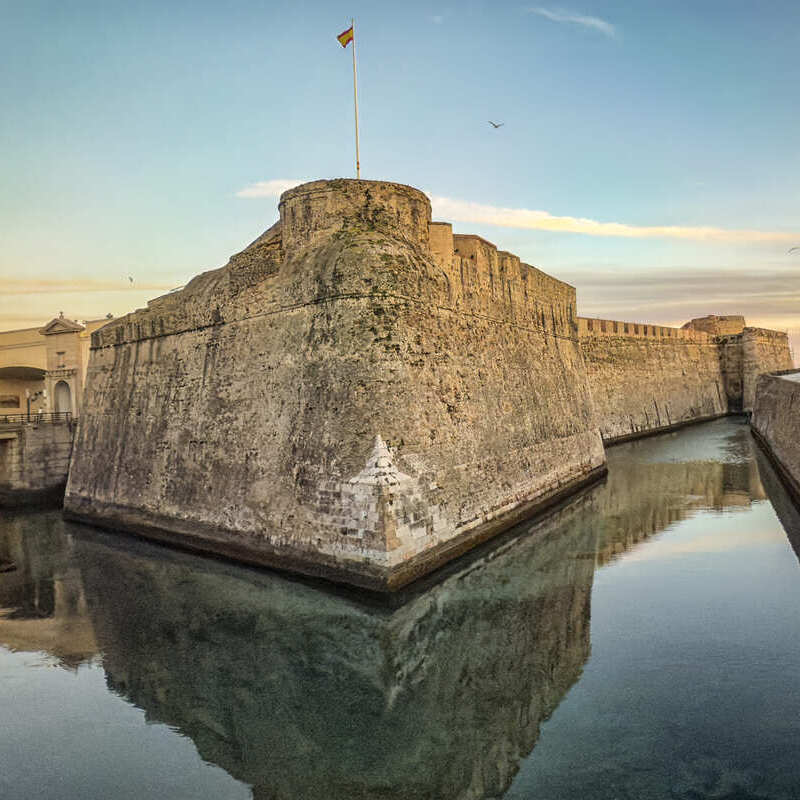
Must-sees in the exclave include the Royal Walls of Ceuta, a fortification surrounded by a saltwater moat, the Parque Marítimo del Mediterráneo, known for its lagoon complex designed by renowned Spanish architect César Manrique, and Mirador de San Antonio.
A killer sunset spot, it commands a breathtaking panorama of the Strait of Gibraltar, all the way to the southern European coast across the continental divide.
The Vibe: a slice of Spain in North Africa
Perfect For: soaking up Iberian and Moroccan cultures in one spot
The ‘Don’t Miss’ Experiences:
The Royal Walls of Ceuta: a 16th-century moated fort right on Ceuta’s waterfront
Parque Marítimo del Mediterráneo: a public maritime park filled with lush Mediterranean vegetation