Tired of the same old Cancun all-inclusives and Tulum beach parties?
Perhaps it’s time you ditch the Mexican coast, be it the Caribbean or the Pacific, and head deep inland, where, believe it or not, most of the country’s most prized cultural assets are located.
Yep, hundreds of miles away from the nearest gringo-dominated beach.
We’re talking cobblestone alleys that will make you feel as if you’ve time-traveled 400 years in the past, monumental churches that would make your average European cathedral blush, and vibrant markets brimming with local life.
You know, all the anti-Cancun authenticity you so desperately need, after year in, year out of the same poolside mimosas and sunburns.
No more beating around the bush, here are 5 historic cities in Mexico everyone should visit at least once:
Oaxaca de Juárez
The inland capital of Oaxaca, a southern state straddling the Mexican Pacific, Oaxaca de Juárez is that picture-perfect colonial-era city you didn’t know you desperately needed visiting until now. Let’s just say if you were impressed by Mexico City’s Zócalo, what’s coming next will blow your mind:
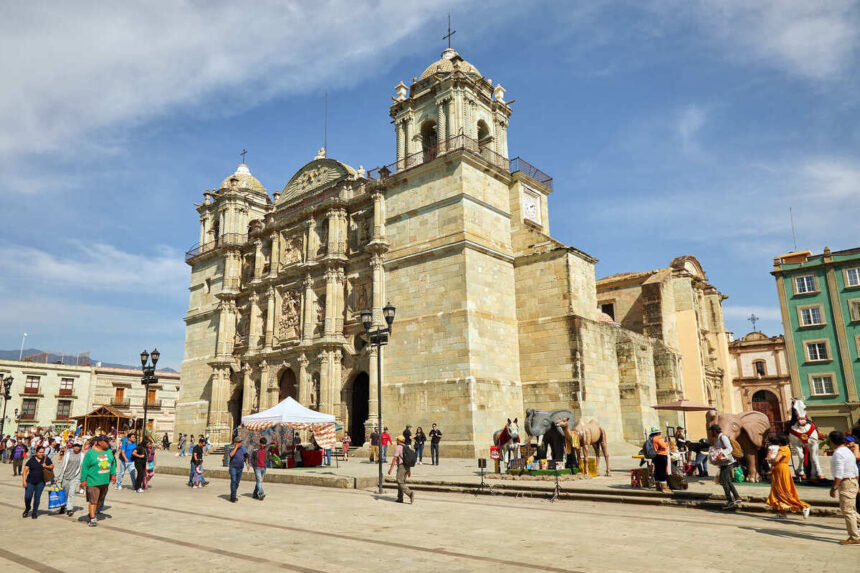
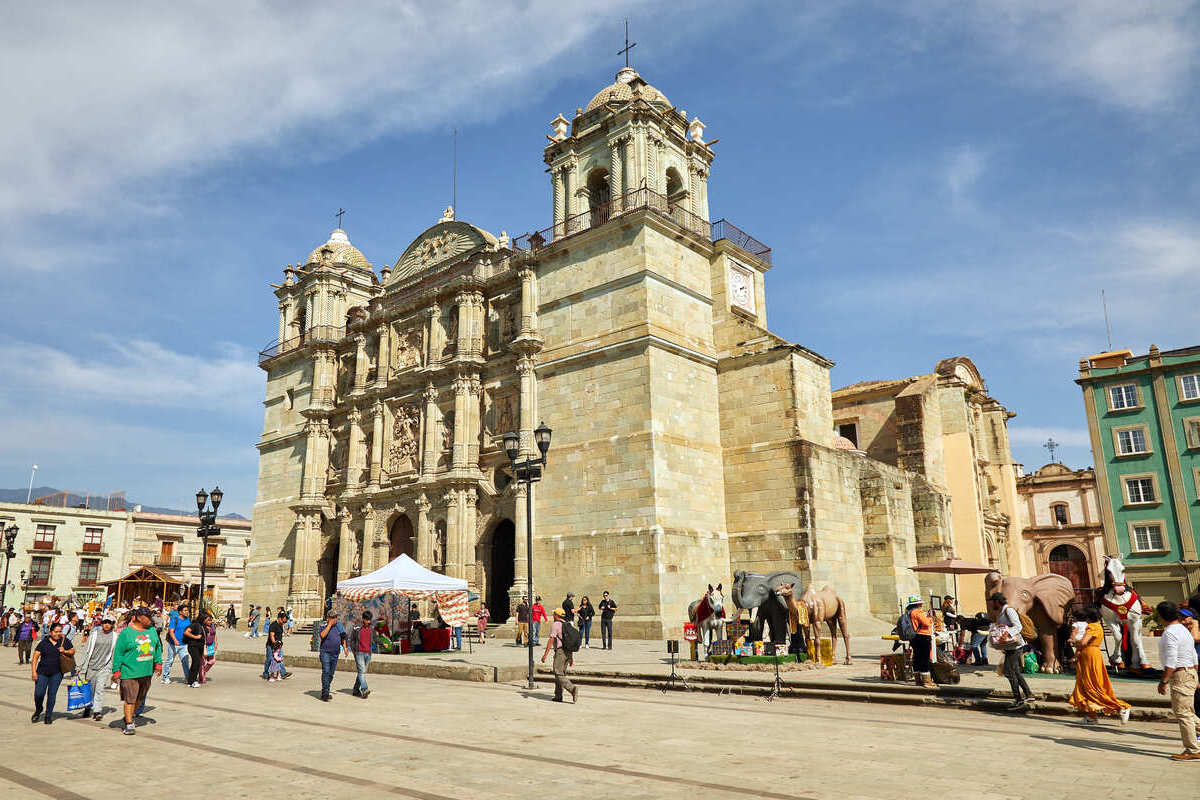
Oaxaca’s main square is flanked by historic arcaded buildings, with cozy cafés and restaurants tucked behind their arches, the richly-decorated Government Palace, with famous interior murals painted by renowned local artist Rufino Tamayo, and of course… the cathedral.
The star of the show, this soaring Baroque beauty has a richly sculpted main portal and gold-clad altars of the kind you’d expect to find in Europe.
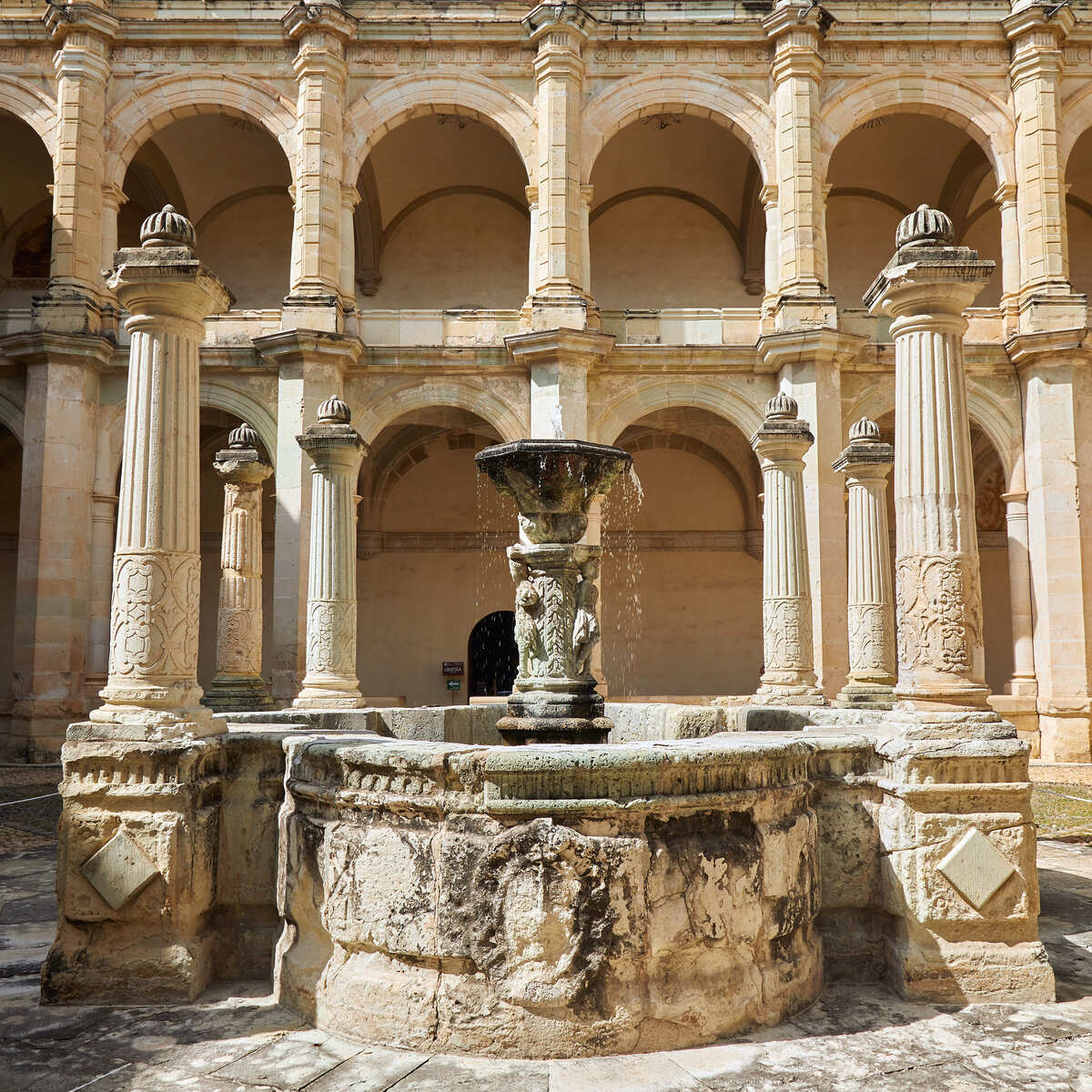
Gorgeous as it may be, it’s not the most ornate church in Oaxaca: that title belongs to Templo de Santo Domingo de Guzmán, the surviving part of a 16th-century Dominican monastery, boasting intricate carvings, column-supported vaulting, and lavish gilded altars.
Yep, Europe has left the chat.
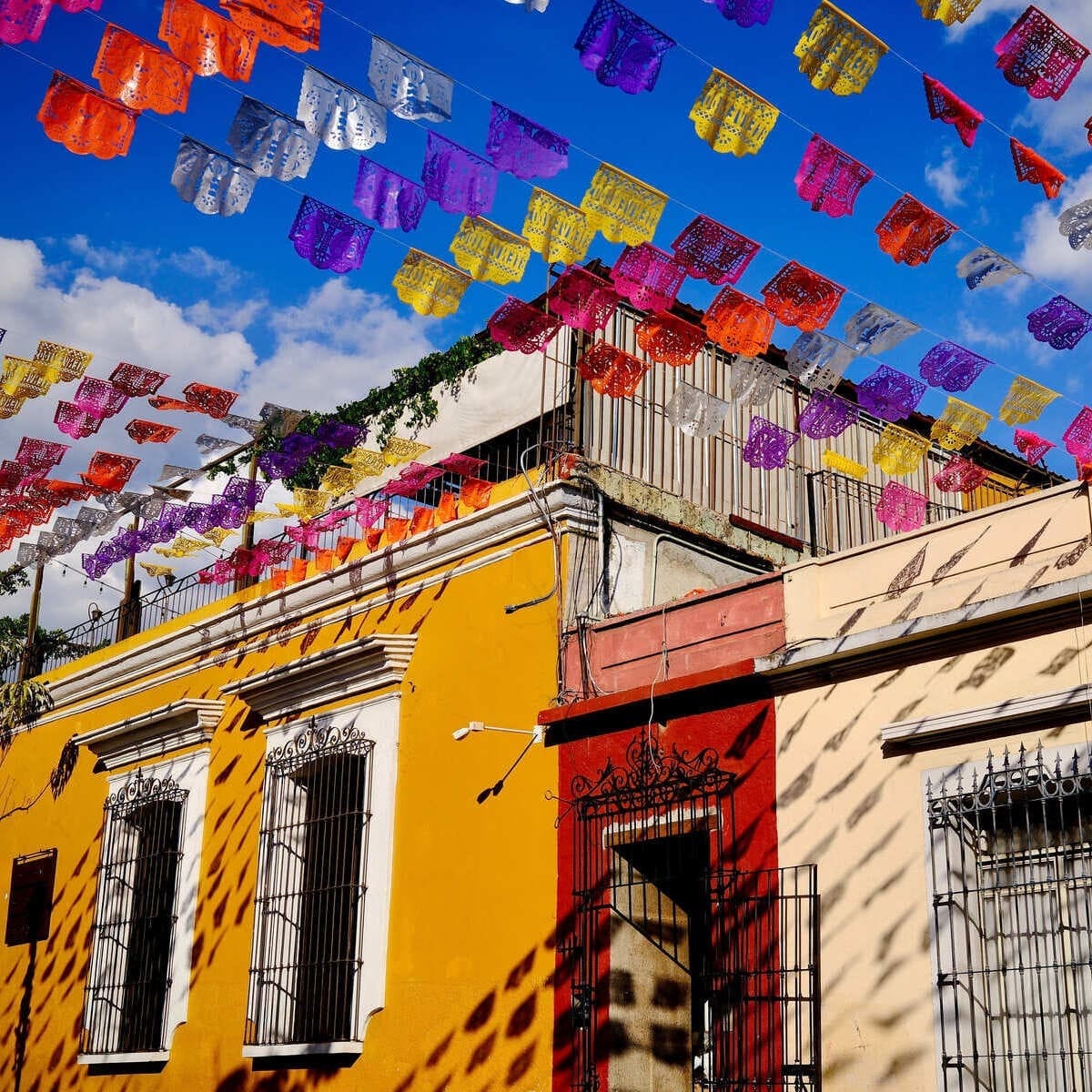
In fact, the entire Historic Center is Old World-coded, from the colorful colonial streets to the numerous plazas to the small neighborhood chapels.
If it’s that Transatlantic trip you’re looking for, but you don’t wanna go far, Oaxaca’s your top pick.


The Vibe: Spanish Empire leftovers with a mind-blowing architecture
Perfect For: Soaking up that Old World charm without leaving North America
The ‘Don’t Miss’ Experiences:
- Mercado Benito Juárez: One of the best markets in Mexico, best known for its local vibe, mole negro, and tlayuda stands
- Monte Albán: Archaeological zone belonging to the Zapotec culture, dotted with pyramids, ancient temples, and impressive ball courts
Santiago de Querétaro


An underrated cultural gem in central Mexico, some 125 miles northwest of CDMX, Santiago de Querétaro may not be the first destination of choice for most beach-bound tourists, but it’s definitely not somewhere you want to miss if cultural immersions are your forte.
It is one of the most beautifully preserved colonial cities in the country, with a UNESCO-listed Historic Center and a myriad of award-winning cantinas and wine bars.
The best way to truly explore Querétaro is to get lost in its narrow, cobbled lanes. They lead to secretive plazas ringed by colorful buildings, unassuming churches with exuberant interiors, and street-corner pastry shops frequented by locals, dishing out delicious, generously filled tortas.


If you need that point of reference, though, start with Templo de Santa Rosa de Viterbo, the city’s Baroque masterpiece.
Up next, hit up Colegio de la Santa Cruz de Querétaro, one of the oldest university buildings in the Americas, located atop a flight of stone stairs.
Swing by Teatro de la República, where the 1917 Constitution was signed, and top off your visit with a stroll along the arches of the Aqueduct of Querétaro, an intact, Roman-like, 18th-century marvel of engineering.


The Vibe: Elegant university city exuding historic charm
Perfect For: Church visits and colonial-era sightseeing
The ‘Don’t Miss’ Experiences:
- Palacio de la Corregidora: a landmark museum covering the Mexican War of Independence, housed in a Spanish-era palace
- Wine & Cheese Tasting: head out to the Querétaro wine country for some wine sampling in a family-owned vineyard
San Miguel de Allende


Arguably the prettiest historic town south of the border, San Miguel de Allende is an ocher-colored, 16th-century fever dream that belongs in the pages of a storybook, not in the real world.
Its iconic neo-Gothic church, painted in a bold pink, is all the color you need to get a taste of the magic, but wait until you stumble upon the verdant Jardín Principal and the many cobblestone streets that radiate from it.
We’re big fans of the ‘roam with no plan’ method when it comes to exploring old colonial towns, but if there’s one street you should absolutely make sure you hit when in San Miguel, that’s Calle Aldama.
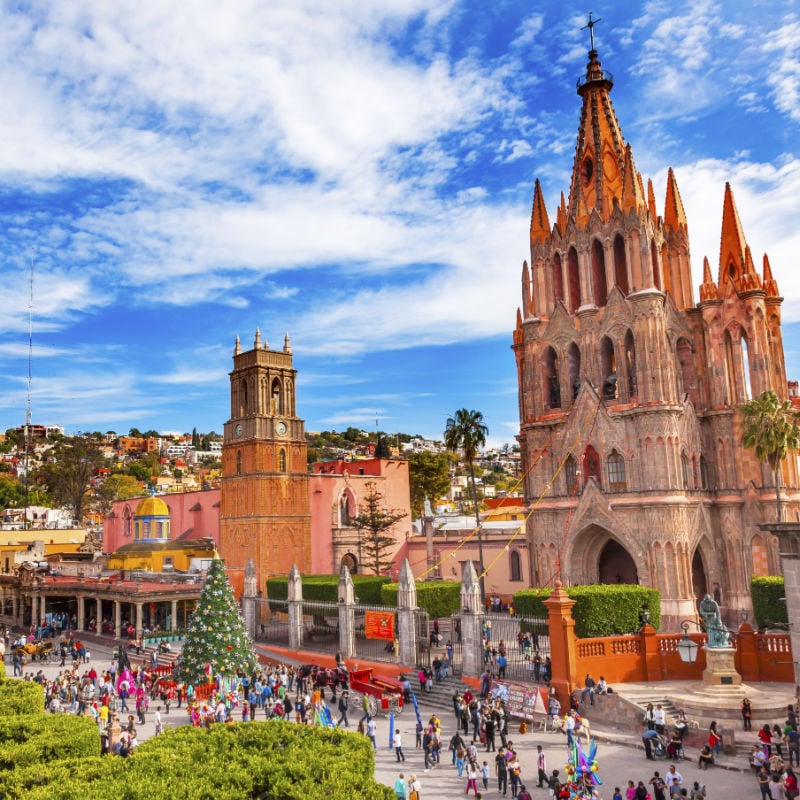
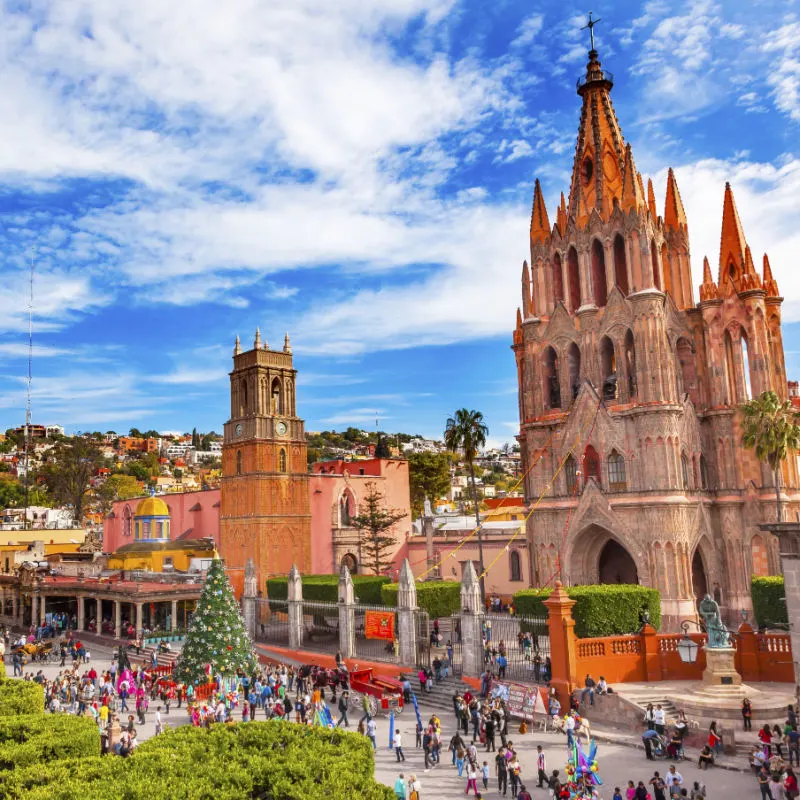
A narrow cobblestone alley lined with colorful walls, it has the soaring pink tower for a backdrop, and it’s particularly photogenic.
Once you’re done with the photo ops, Casa de Allende is a must-visit museum for learning more about Mexico’s independence hero Ignacio Allende—in case you’re wondering, yes, the town is partially named after him.
For those delicious street food tacos and enchiladas mineras, add the Callejón del Chorro area to your list: a maze of small alleys peppered with vendors, it’s the prime spot for gorging on local food without the hefty price tags.


The Vibe: Colorful fairytale town that belongs in a storybook
Perfect For: Romantic strolls along cobbled lanes and street food hunting
The ‘Don’t Miss’ Experiences:
- Parroquia de San Miguel Arcángel: a visually striking pink church that’s the main symbol of San Miguel de Allende
- La Gruta Spa: a renowned spa offering natural thermal pools, massages, and wellness treatments in a natural setting, only 15 mins by car from the Historic Center
Puebla


For something a little more offbeat, and that’s just now getting discovered by the tourist masses, Puebla is that tile-glazed, 16th-century New Spain marvel that feels strongly anchored in a glorious bygone era.
There are no longer horse-drawn coches, nor elegant damas flaunting their custom-made dresses, linking arms with their dapper escorts, but the buildings that once lined their parades, and they walked past every day, are still there.
Starting with the cathedral, with its twin towers, and the sprawling Zócalo right in front.
From there, numerous pastel-hue streets fan out, zig-zagging out of sight.


There are far too many postcard-ready spots to cover, but if you’re short on time, Calle de los Sapos is that quintessential colonial street that should absolutely feature in your itinerary.
Biblioteca Palafoxiana is not to be overlooked, either: one of the oldest public libraries in the Americas, established during the earliest wave of European colonization, it has that scholarly, Harry Potter feel, with wooden bookshelves, old leather-bound books, and gilded altarpieces.
The coolest thing about Puebla is it’s a double destination: Cholula, a small, colorful Pueblo Mágico, is basically a district of Puebla, just 7 miles out, and it’s home to a monumental pyramid topped by a yellow church.


The Vibe: Walkable historic city with a vibrant street life
Perfect For: Wandering colorful plazas and admiring ornate edifices
The ‘Don’t Miss’ Experiences:
- Biblioteca Palafoxiana: a 380-year-old public library with a real traditional European flair
- The Great Pyramid of Cholula: the largest pyramid by volume in the world
Veracruz


You might have noticed at this point that most of Mexico’s UNESCO-listed old colonial cities are inland. We don’t know for certain why that is, but maybe the Spaniards were wary of Caribbean pirates pillaging their richly decorated churches.
Weirdly enough, Veracruz is that show-stealer exception:
Perched on the Gulf of Mexico, it has 500-year-old forts, stunning whitewashed architectural ensembles that just scream subdued Mediterranean flair, and vibrant plazas and tiled courtyards that wouldn’t look out of place in mainland Spain.
It may not be as ornate as some of the other churches that appeared here, but Veracruz Cathedral, a glistening-white building with Baroque-Neoclassical details, is beautiful in its own understated way.


In the heart of the historic city, Portal de Vasco Núñez is a gorgeous colonial arcade hosting shops and no-frills bars, and roughly 7 minutes on foot, Baluarte de Santiago is the best-preserved bit of the city’s defensive walls.
If you’re here for the European-style castles and embattlements, however, the main point of interest is San Juan de Ulúa, a brooding coastal fortress that once shielded Veracruz from pirate attacks.
It’s towards the northern end of the Malecón, Veracruz’s breezy coastal promenade, which by the way, is perfect for catching live music, and grabbing tamales to go as you stroll between candy-colored buildings and the azure Atlantic.


The Vibe: Sultry port town with a Southern European soul
Perfect For: Sunset seafood feasts and promenade walks
The ‘Don’t Miss’ Experiences:
- Baluarte Santiago: the star-shaped 17th-century bastion that once formed part of the city walls
- Playa Hornos: a local beach only 1- mins from downtown, with hammocks, fresh ceviche, and zero-crowd vibes
Now take our quiz to find out which one is perfect for you!