As Americans continue to seek meaningful, less-crowded, and experience-driven journeys, a new cohort of U.S. destinations is emerging from the fringes of domestic tourism. While major cities and iconic national parks will remain perennial favorites, several lesser-known locations are quietly building momentum—supported by improved flight connectivity, growing interest in slow travel, and shifts in post-pandemic traveler preferences.
Industry analysts suggest that 2026 may mark a breakout year for a handful of under-the-radar locales. Here is a closer look at the U.S. destinations expected to draw increasing attention in the months ahead.
St. Simons Island, Georgia: A Coastal Retreat on the Rise
St. Simons Island is rapidly ascending from a quiet coastal town to one of the most intriguing beach destinations in the Southeast. Known for its oak-canopied avenues, untouched marshland, and serene Atlantic beaches, the island offers a peaceful alternative to the region’s overcrowded shores.
Its growing recognition in national travel rankings, coupled with increasing appeal among remote workers and long-stay travelers, signals a strong upward trajectory. The island’s bike-friendly infrastructure and emphasis on nature conservation further bolster its reputation as a low-impact, high-quality coastal escape.
The Catskills, New York: A Renewed Mountain Escape

The Catskills are experiencing a renaissance, driven by an influx of boutique accommodations, wellness retreats, and design-forward lodges. Rising demand from urban travelers seeking nature immersion—especially those based in New York City—has placed the region firmly back in the spotlight.
Featuring some of the Northeast’s most scenic hiking trails, artist communities, and four-season recreation, the Catskills are positioned to become one of the leading mountain getaway destinations for domestic travelers in 2026.
Williamsburg, Virginia: Heritage Tourism Reinvented

Williamsburg’s evolution from a purely historical attraction to a dynamic cultural destination is gaining attention. Recent investments in museums, dining, and walkable districts have broadened its appeal beyond heritage tourism.
The city now attracts families, culture seekers, and travelers wanting a quieter, more refined alternative to major East Coast cities. Its blend of history, modern amenities, and relaxed visitor volume gives Williamsburg a competitive edge as travelers look for deeper, less crowded experiences.
Missoula, Montana: Culture Meets the Outdoors
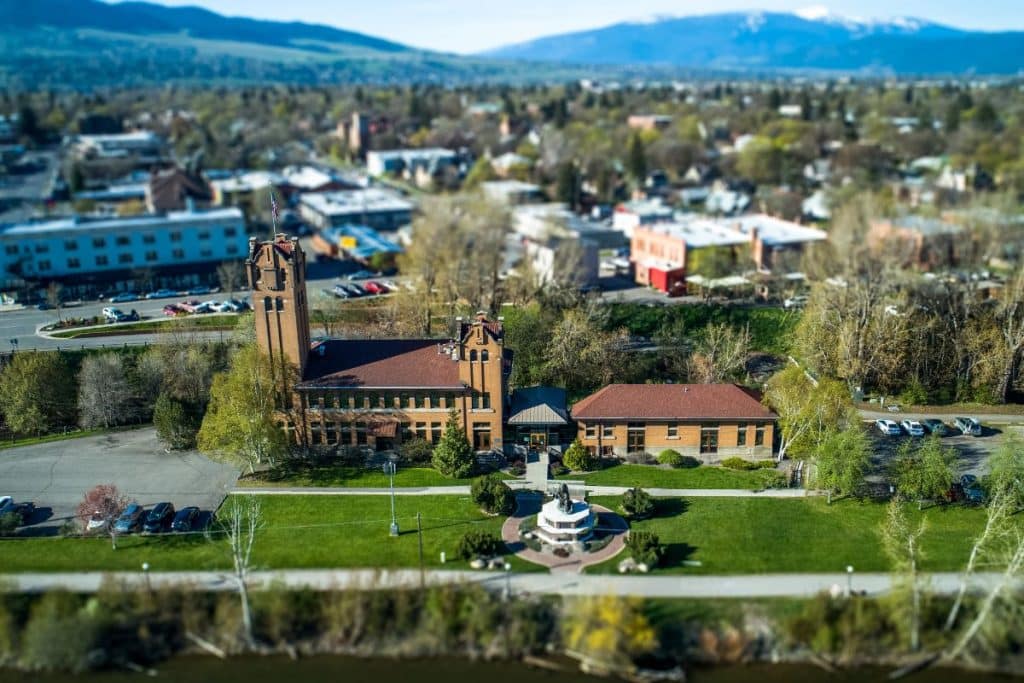
Missoula is gaining recognition as one of the most captivating small cities in the American West, thanks to its combination of riverfront beauty, mountain access, and a thriving creative community.
The city’s strong craft-beer culture, vibrant arts scene, and growing remote-work infrastructure make it an attractive option for travelers seeking both nature and culture. With rising search interest and increasing domestic awareness, Missoula is poised to become a major destination for outdoor-oriented long-term travelers.
Sawtooth National Recreation Area, Idaho: America’s Next Iconic Wilderness

The Sawtooth National Recreation Area remains one of the most stunning yet least-explored wilderness regions in the United States. With jagged peaks, alpine lakes, and expansive trails, the area rivals the scenery of more famous Western parks—without the overwhelming crowds.
As demand rises for restorative, off-grid travel experiences, the Sawtooths are expected to draw increased attention from adventurers and nature lovers. Their pristine landscapes and relative seclusion position the region as a likely breakout wilderness destination in 2026.
A Forecast for 2026
While 2026 will bring renewed attention to established destinations, the year also promises to elevate a new generation of domestic travel hotspots. These emerging locales reflect broader market dynamics: a shift away from overcrowded urban centers, increased demand for wellness and nature-focused journeys, and the continuing rise of remote-work mobility.
For travelers seeking quieter, more culturally rich, and nature-immersive experiences, these hidden gems offer compelling options. For tourism boards and travel publishers, they represent valuable opportunities to shape narratives, capture new audiences, and drive engagement around the next wave of U.S. travel trends.