Tell me I’m wrong.
The worst part about traveling abroad is hopping off a long flight to see an infinite line of fellow travelers tip-toeing an inch at a time just to be asked the dreaded question, “what are you doing in ___?”.
As simple as it sounds, your trip all rides on this answer. If the customs agent isn’t pleased, each country has its own way of prying for more, even escorting you into a separate room and searching your belongings if they see fit.
We all have “we’re not in Kansas anymore” moments when traveling, but one you don’t want to deal with is breaking the law unknowingly.
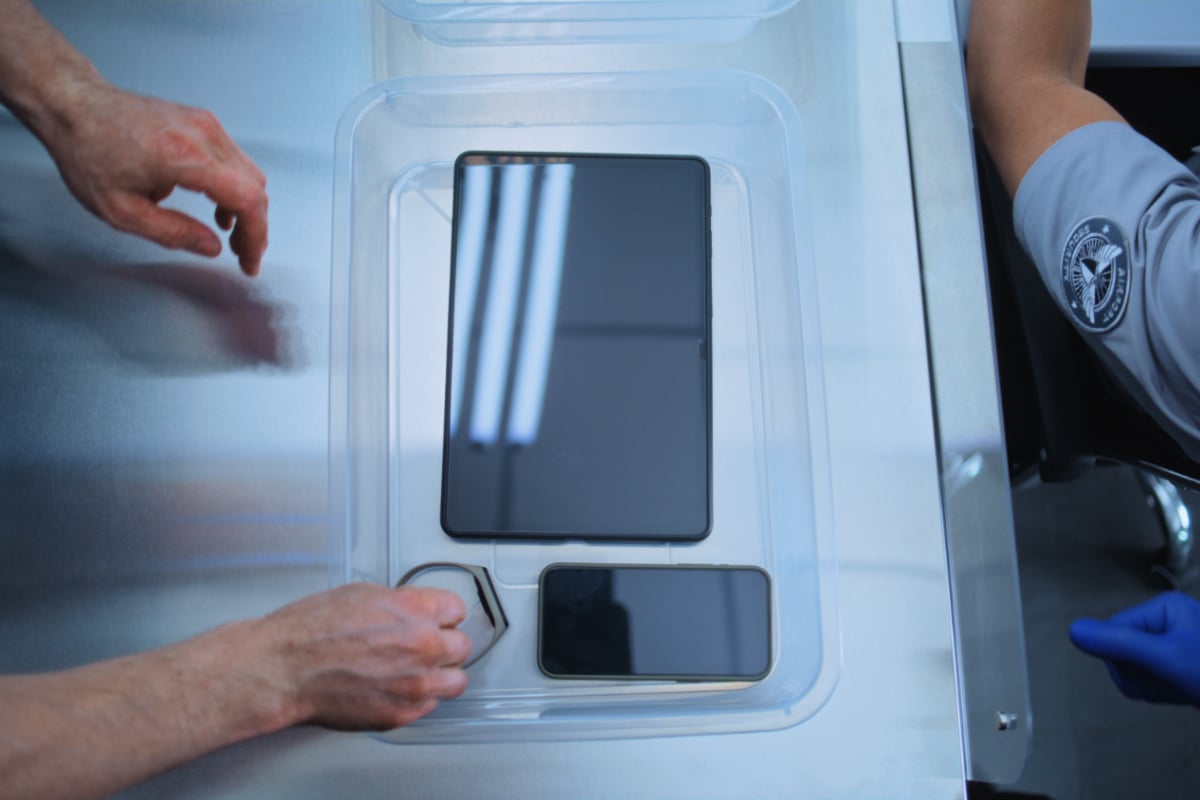
That’s why the U.S. government just issued an urgent alert about one country that’s enforcing a law Americans may not know, and that is not providing your passwords to electronic devices.
That got us thinking; it can’t just be one country going rogue.
We uncovered 4 total countries where travelers can face serious consequences for refusing to provide device access, and some of them may shock you.
China (Hong Kong) 🇭🇰

China isn’t a country exactly known for letting loose, and this is just as much reflected upon arrival.
As someone who has been to China and plans to go back, I can attest I’ve never seen so many security cameras — and I was waaaay off the radar in the city of Harbin.
That said, this is the place the U.S. Consulate felt obliged to issue an official travel alert just last week to inform Americans what they may be signing up for.
According to the Consulate, Hong Kong implemented a sneaky law change as of March 23rd, where it’s now a criminal offense for tourists to refuse access to their electronics (or decryption to throw them off).

Many travelers already vent about internet restrictions and the hassle of using VPNs in China — and now Hong Kong is adding another layer of scrutiny.
While the alert doesn’t explicitly lay out the punishment for the crime, Reuters reports penalties can be up to one year in prison and $12,773 fine.
The alert does reveal, however, “Hong Kong government also has more authority to take and keep any personal devices, as evidence, that they claim are linked to national security offenses”.
United Kingdom 🇬🇧

As classy as the UK may seem on paper, travelers may be surprised by some stringent rules in its surveillance-heavy society.
For starters, the UK has been somewhat quietly arresting people over online messages deemed “grossly offensive,” a broad standard that remains actively enforced in 2026 — which might be why you don’t see “influencers in the wild” like you do stateside.
God forbid someone trashes bangers and mash…
But to get into the country, if immigration officers don’t like your vibe, they may ask to not only search your luggage, but your most prized thumb-swiping dopamine screens.
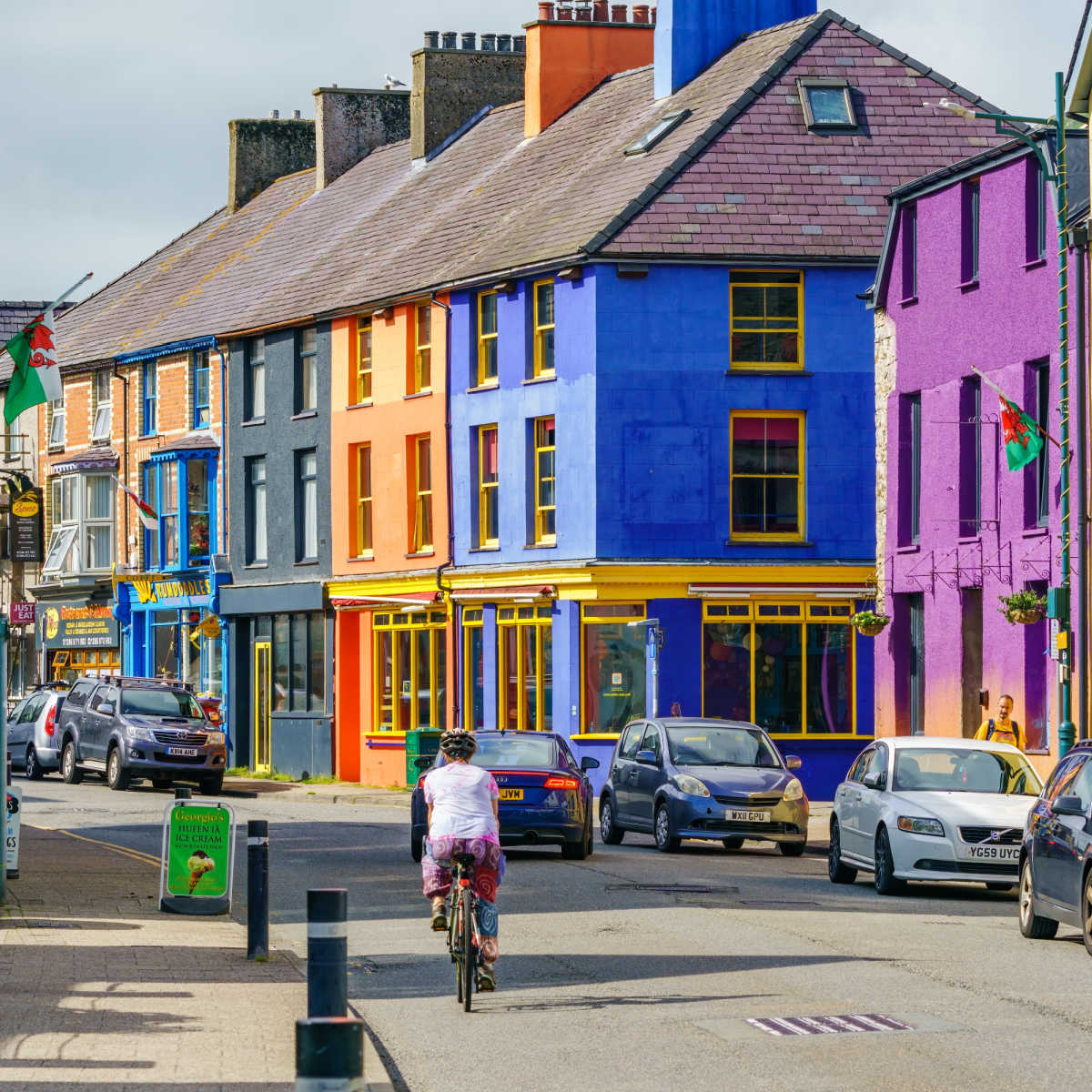
Travelers examined under Schedule 7 of the Terrorism Act may be subject to counterterrorism powers that can order them to unlock their phones or other devices, and deliberately refusing to do so can lead to criminal prosecution.
If you thought British food was bland at a classic pub, wait ’til you’re behind bars…
Not that it’s a common issue, but a better idea is to think ahead about what’s on your phone before you fly, so you can have the trip of a lifetime in London and other iconic destinations, as millions do each year.
Canada 🇨🇦
Arguably, the friendliest people in North America also have some uptight policies.
Then again, the old adage “people aren’t their governments” works both ways, right?

As a one-time visitor to Canada compared to hundreds in Mexico, crossing the border is apples and oranges, or in this case, maple and tacos.
Crossing from Bellingham, Washington into British Columbia was quite an experience to say the least, where no millimeter was uncombed in our rental car.
Canada takes safety seriously. As such, tourists are expected to follow the same border rules as everyone else — and if officers decide to inspect digital devices, Canada Border Services Agency (CBSA) officials say travelers are obligated to provide the password when asked.


The CBSA states, “Failure to grant access to your personal digital device may result in the detention of that device”.
So much for those epic pics of Prince Edward Island’s red-sand beaches or Montreal’s sensational French cuisine…
New Zealand 🇳🇿
I can’t tell you how many times I’ve told someone my favorite country is Iceland and their response is all the same, almost verbatim — “wait ’til you see New Zealand”.
Time will tell on that, but when I do decide to check off the land of hobbits and kiwis from my never-ending travel wishlist, I, along with travelers such as yourself, will need to keep in mind that entering this far-flung island nation comes with some strict border rules for your electronics.

But first, it’s important to note government officials state “99.99% of travelers do not have their electronic devices searched“.
In the case it’s your unlucky day, saying no to their demands can lead to prosecution, a fine of roughly $2900, and likely seizure of all your embarrassing texts and photos.
Hey, we all have them…