The first quarter of 2026 is poised to be a strategic moment for travel. The period follows peak holiday demand and precedes the surge of summer tourism, historically yielding lower airfares, discounted accommodation, and streamlined access to cultural and natural attractions.
Airlines, hotel groups, cruise lines, and tour operators are expected to deploy competitive pricing during this window, allowing early planners—especially those booking during Black Friday 2025—to secure outsized value on 2026 itineraries. Below is a curated selection of 10 compelling destinations that reliably shine in the off-season, each paired with a clear reason to consider it for early 2026.
Canary Islands, Spain for Eternal Spring
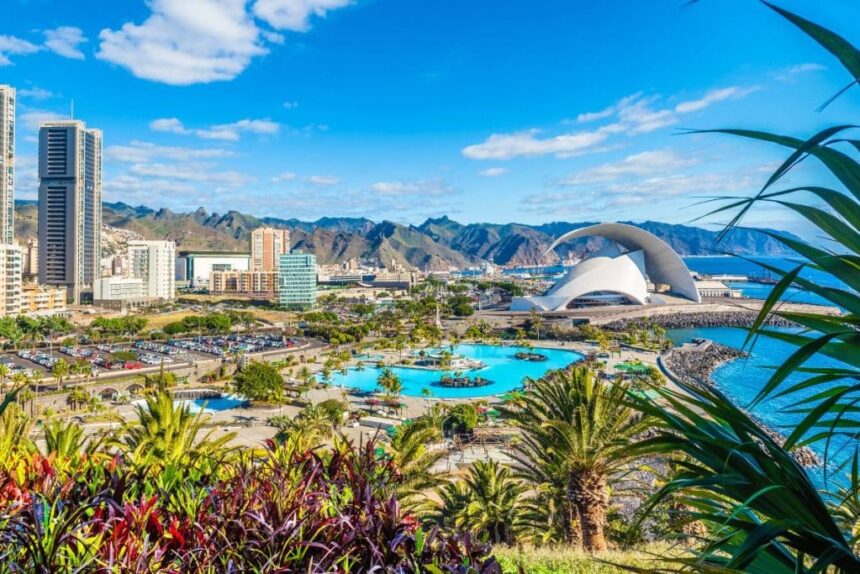
For many travelers in Europe, the Canary Islands remain the best way to get sunshine and mild weather in the depths of winter. Daytime temperatures in January regularly hover in the low 20s °C, offering an inviting escape from colder interiors. With fewer tourists around, you’ll find better rates on flights and accommodation — and a more relaxed vibe for beach days, hikes, or simply enjoying the islands’ nature and coastal charm.
Malta for the Mildest European Winter
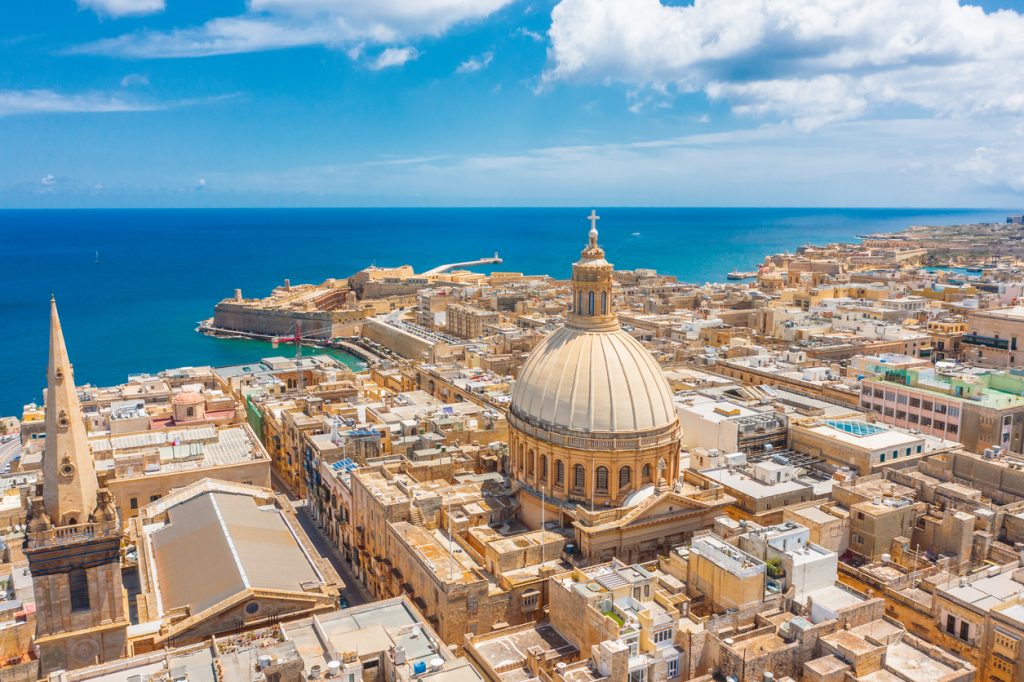
Malta shines as a top European winter destination thanks to its generally mild weather even in January and February. With fewer crowds, historic sites, charming towns and coastal scenery become more relaxing to explore. Winter stays also tend to cost less — which means more value for your money, especially if you prefer quieter, slower-paced travel.
Salzburg, Austria for Snowy Paradise
For those who embrace winter landscapes, Salzburg is ideal. Its alpine backdrop, historic baroque architecture, and often snow-dusted streets create a fairy-tale winter atmosphere. Visiting in the off-season means avoiding summer crowds, having easier access to local culture, and paying lower prices for stays and services — from cosy inns to guided tours.
Lisbon & Southern Portugal Coast
Southern Europe — particularly Lisbon and Portugal’s coastlines — holds appeal in early 2026 for travelers after milder weather, fewer tourists, and good value stays. Off-season travel in Europe tends to mean fewer crowds, cheaper accommodation and easier access to major attractions. This makes Lisbon a great base for exploring coastal towns, enjoying Atlantic sunsets, and experiencing Portugal’s vibrant culture at a reduced cost.
Amman, Jordan (and Nearby Historic Sites)
TravelLocal — among other travel analysts — lists Jordan among the top off-season places worth visiting. Visiting in early 2026 often means more comfortable climate, fewer tourists, and better access to iconic sites such as desert landscapes, historic Petra, and cultural cities. Travelling off-peak can also mean easier visits and lower costs for accommodation or guided tours.
Morocco — Cities and Northern Coast

As global travel demand picks up in off-peak seasons, North-African destinations such as Morocco become especially appealing for those seeking warmth, culture and value. Off-season travel often means reduced costs, mild weather, and lighter crowds — giving you a more authentic and approachable experience. Morocco’s cities, historic medinas and coastal towns are particularly enjoyable when emptied of the typical summer volume of tourists.
Vietnam — Beyond Peak Season Hype
While peak-season planning often centers on holiday travel, off-season and shoulder-season travel in destinations like Vietnam can be especially rewarding. According to recent guides, off-season travel offers a trade-off: occasional rain, yes — but lush landscapes, fewer crowds, cheaper accommodation and flights, and a more relaxed experience overall. For the traveler willing to embrace a bit of unpredictability, Vietnam offers vibrant culture, natural beauty, and affordability.
Costa Rica — Green Season Charm

Costa Rica ranks among off-season travel’s strong picks for 2026, especially during its “green season.” As rainfall increases, lush jungles, verdant landscapes and much lower tourist pressure combine to deliver a more peaceful, nature-driven experience. For visitors open to occasional showers, this can be one of the most rewarding times to explore rainforests, wildlife and coastal scenery — often at a lower cost than the dry/high-tourist season.
Scottish Highlands, UK
For travelers drawn to wild landscapes, history, and quiet solitude, the Scottish Highlands offer a compelling off-season alternative. According to travel-destination reviews, winter and early-year travel to the Highlands — including snowy mountains, lochs, and remote villages — delivers a very different, atmospheric experience than crowded summer months. With fewer tourists and often reduced prices on accommodation and transport, the off-season can transform a Highlands trip into a moody, memorable adventure.
Iceland (Winter Nature, Northern Lights and More)
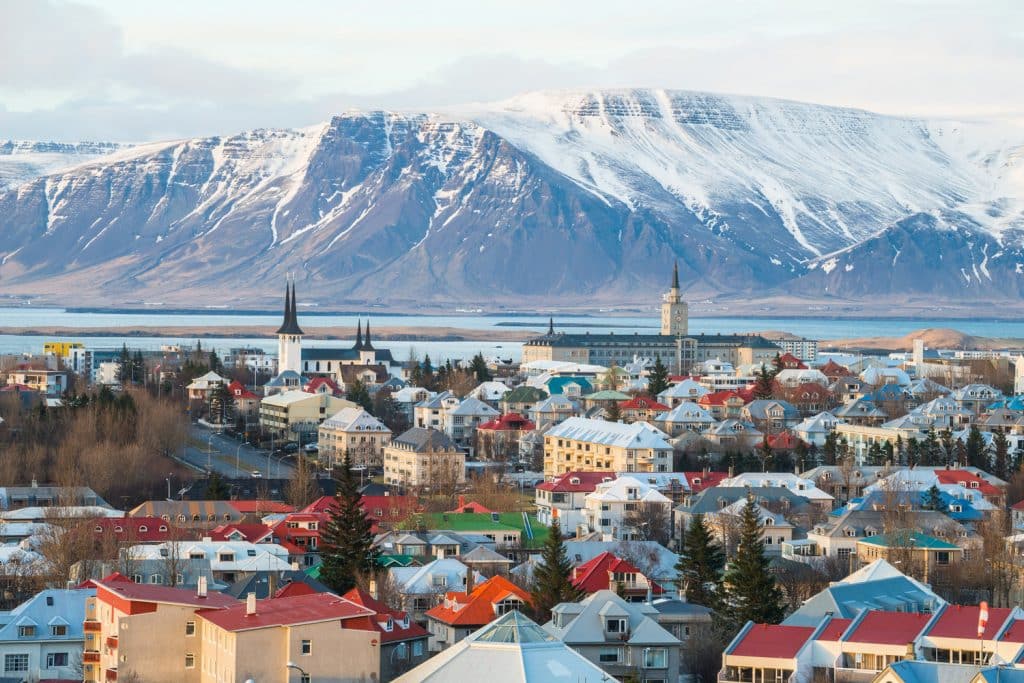
Iceland remains one of the standout off-season destinations for winter travellers seeking dramatic nature, fewer crowds, and the chance to witness phenomena like the Northern Lights. Off-season travel offers lower flight and lodging costs compared with peak summer months, while delivering unique natural experiences few other destinations offer. Between geothermal pools, glacial landscapes and winter-specific phenomena, early 2026 could be a perfect time for an Iceland adventure.
Why Off-Season Travel Makes Sense for 2026
Travel during off-peak or shoulder-season months — whether winter in Europe or rainforest green-season in tropical zones — often comes with significant advantages: cost savings of 20–50% on flights, hotels and activities; far fewer crowds; easier access to top sights; and a chance for a more relaxed, authentic travel experience.
Temperate weather (or at least milder than peak-season extremes), combined with better availability and a slower pace, make these destinations ideal for travelers who want to travel smart — especially with flexibility in dates and travel style.